
Quick answer: What is a heat pump? It is an electric heating and cooling system that moves heat instead of making it. In winter it pulls heat from outdoor air or the ground and releases it inside. In summer it reverses and carries heat out of your home, like an air conditioner. Because it transfers heat, it can deliver more heat than the electricity it uses.
More GTA homeowners are asking about heat pumps as they replace aging air conditioners or look at provincial rebates. The short answer to what is a heat pump hides useful detail. Below, we answer the follow-up question, how does a heat pump work, in plain steps, then cover defrost, the main types, furnace pairing and Ontario winters.
What is a heat pump and how does it work?
According to the U.S. Department of Energy, heat pumps use electricity to transfer heat from a cool space to a warm space rather than generate it, the same principle your fridge uses. Even on a cold day, outdoor air holds heat energy. A heat pump captures it with refrigerant and concentrates it to a useful temperature indoors.
The refrigeration cycle in four steps (heating mode)
- Absorb. Cold liquid refrigerant flows through the outdoor coil. Outdoor air is warmer than the refrigerant, so the refrigerant absorbs heat and boils into a low-temperature vapour.
- Compress. The compressor squeezes that vapour, which raises its pressure and temperature.
- Release. The hot vapour moves to the indoor coil. As your blower pushes house air across it, the refrigerant gives up its heat and condenses back into a liquid.
- Expand. The liquid passes through an expansion device, its pressure and temperature drop, and the cycle starts again.
What does the reversing valve do?
The reversing valve controls the direction the refrigerant flows, which is what lets one system both heat and cool. In one position the indoor coil releases heat; in the other it absorbs heat.
How does a heat pump work in summer vs winter?
Part of what is a heat pump’s appeal is that the same equipment does three jobs. Here is what each coil does in each mode:
| Mode | Indoor coil | Outdoor coil | What you notice |
|---|---|---|---|
| Heating | Releases heat into your home | Absorbs heat from outdoor air | Steady, gentle warm air from the vents |
| Cooling | Absorbs heat and moisture from indoor air | Releases heat outdoors | Cool, drier air, just like central air |
| Defrost | Briefly absorbs heat | Warms up to melt frost | Outdoor fan stops, backup heat may run, steam may rise from the unit |
What is a heat pump doing in defrost mode?
When outdoor temperatures are near or below freezing, frost builds on the outdoor coil and cuts its ability to absorb heat. The heat pump briefly switches to cooling mode, sends hot refrigerant to the outdoor coil and shuts off the outdoor fan until the frost melts. Natural Resources Canada notes that demand-frost controls, which defrost only when needed, are more efficient than timer-based controls. A short defrost cycle with a little steam is normal.
What is a heat pump system made of?
- Outdoor unit. Holds the compressor, outdoor coil, fan and reversing valve.
- Indoor coil. Usually sits on your furnace or in an air handler. Ductless systems use a wall-mounted head instead.
- Refrigerant lines. Carry refrigerant between the indoor and outdoor units.
- Thermostat and controls. Decide when to heat, cool, defrost or add backup heat.
- Backup heat. Electric elements or a gas furnace for the coldest hours.
What are the main types of heat pumps?
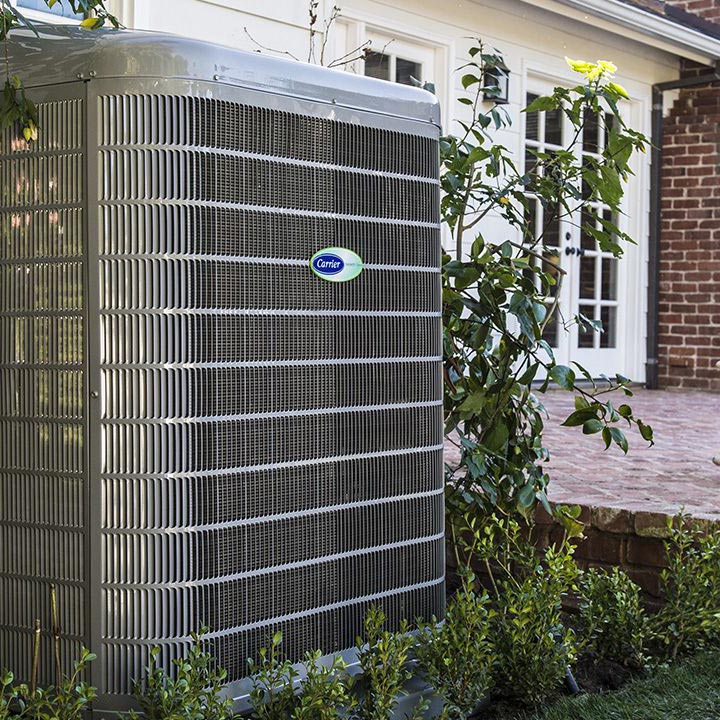
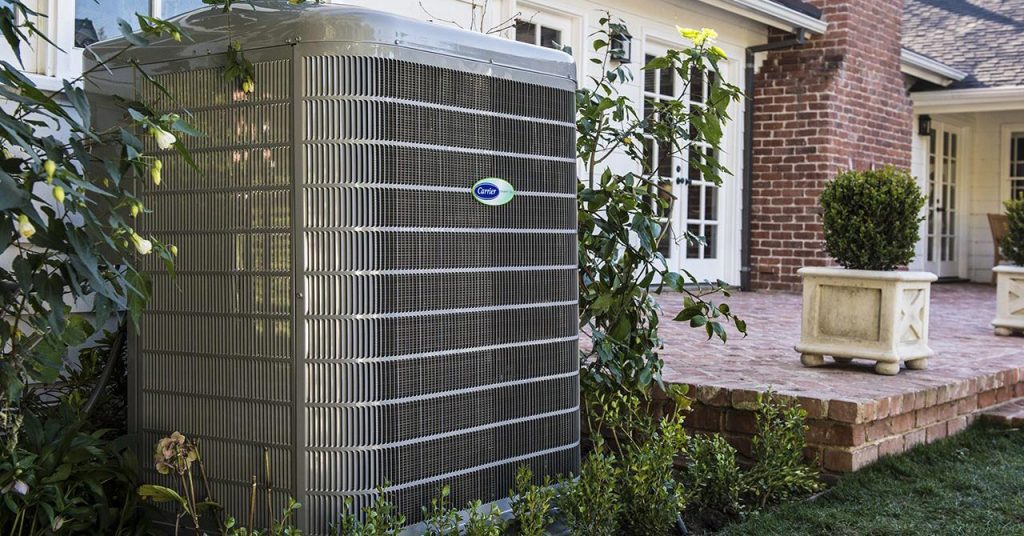
When people ask what is a heat pump, they usually picture a ducted outdoor unit beside the house. There are four main types:
- Ducted air-source. A common choice for GTA homes with existing ductwork. It replaces a central air conditioner and heats through the same ducts.
- Ductless mini split. A wall- or floor-mounted indoor unit heats or cools the room directly. One outdoor unit can serve one indoor head (mini split) or several (multi split). Learn more in the basics of ductless split systems.
- Cold-climate air-source. Uses variable capacity compressors and other refinements to keep heating at lower temperatures. Natural Resources Canada says newer air-source models can have a minimum operating temperature of -15°C to -25°C.
- Ground-source (geothermal). Draws heat from the earth or groundwater, which is not subject to extreme temperature swings. It needs no defrost cycle, but the ground loop makes installation more involved.
What is a heat pump hybrid system (dual fuel)?
A hybrid or dual fuel system pairs a heat pump with a gas furnace or boiler. In that setup, what is a heat pump’s role? It handles most of the season, and the furnace takes over when it gets too cold for the heat pump to keep up or when gas becomes the cheaper fuel. The two do not run at the same time. A hybrid is often added when a central air conditioner needs replacing, keeping the existing furnace as backup.
What is a heat pump’s efficiency? COP explained
Heat pump efficiency is measured by the coefficient of performance (COP): heat delivered divided by electricity used. If 1 kW of electricity moves 3 kW of heat into your home, the COP is 3. Electric baseboard heaters turn 1 kW of electricity into 1 kW of heat, a COP of 1.
According to Natural Resources Canada’s heat pump guide, air-source heat pumps typically have a COP between 2.0 and 5.4 at 8°C, and between 1.1 and 3.7 at -8°C. Efficiency drops as it gets colder, but even at -8°C those figures stay above 1, so the heat pump still delivers more heat than the electricity it uses. The U.S. Department of Energy says a heat pump can reduce electricity use for heating by up to 75% compared with electric resistance heating.
How does a heat pump work in an Ontario winter?
For Ontario homeowners, the real question behind what is a heat pump is usually whether it will keep up in January. As the outdoor temperature falls, a heat pump absorbs less heat and its capacity drops while your home loses more heat. The point where the two meet is the balance point. Below it, backup heat makes up the difference. A cold-climate model pushes that point lower, which is why it suits Markham, Richmond Hill and the rest of the GTA. Read how extreme cold impacts heat pump performance.
Thermostat habits matter too. NRCan recommends moderate setbacks of no more than 2°C, because a deep setback can make backup heat run until the heat pump catches up. See our recommended thermostat settings for more.
Are there heat pump rebates in Ontario?
Yes. Save on Energy and Enbridge Gas, supported by the Ontario government, deliver the Home Renovation Savings Program, which includes cold climate air-source and ground-source heat pumps. The heat pump must be on Natural Resources Canada’s qualified products list. Amounts and rules change, so check saveonenergy.ca before you buy. Our heat pump cost guide for Ontario explains what affects the total, and the Aire One team can help you check which models qualify.
How do you maintain a heat pump?
- Book annual maintenance. NRCan advises having a qualified contractor service the unit every year.
- Change or clean the filter. At least every 3 months, or more often with pets or renovations.
- Keep airflow clear. Do not block vents and registers with furniture or rugs.
- Watch the outdoor unit. Keep snow, ice and leaves from piling up around it. If ice stays on the coil after a defrost cycle, call for service rather than chipping at it. Our fall guide to preparing your heat pump has a checklist.
If your system is short cycling, blowing cool air for long periods or making new noises, read about heat pump repair in Markham or book a visit.
Frequently asked questions
What is a heat pump in simple terms?
It is an electric system that moves heat instead of making it. In winter it brings outdoor heat inside, and in summer it carries indoor heat out, like an air conditioner.
Does a heat pump work in Canadian winters?
Yes, especially a cold-climate model. Natural Resources Canada says newer models can have a minimum operating temperature of -15°C to -25°C. Plan for backup heat, either electric elements or a gas furnace, for the coldest hours.
Can a heat pump replace my air conditioner?
Yes. A ducted air-source heat pump cools your home the same way a central air conditioner does, and it also provides heat.
Do I still need a furnace with a heat pump?
Not always. Some homes use a cold-climate heat pump with electric backup, while others keep a gas furnace in a hybrid system. Have a technician assess your home and run a load calculation before you decide.
What is a heat pump defrost cycle, and why does it steam?
It is a normal mode that clears frost in cold weather. The unit briefly reverses to melt frost from the outdoor coil, and the melting frost can look like steam. If the coil stays iced over, call a technician.
How often should a heat pump be serviced?
Once a year by a qualified technician, with filter checks at least every 3 months.
Talk to a heat pump expert near you
Aire One has served Ontario homeowners since 1990. We can size a heat pump for your home, explain rebates and offer financing, backed by a 10-year worry-free warranty. Start with a free Total Home Assessment: read about heat pump installation in Markham, book online or call 310-HEAT (4328).