

Greater Toronto Area / Heat pumps
One system for a Toronto summer and a Toronto winter, if it is sized honestly
A cold-climate heat pump can heat and cool a GTA home on its own for most of the year. Here is what it does, where the 2026 rebate money actually comes from, and when it is the wrong call.
- Cold-climate rated
- NRCan-listed equipment
- Verified 18 July 2026
Aire One Heating & Cooling is a licensed heating, cooling and indoor air quality contractor serving the Greater Toronto Area since 1990. Questions about your home: call 310-4328.

Short answer: For most GTA homes a cold-climate air source heat pump can be the primary heating and cooling system, backed up on the coldest days. In 2026 the provincial rebate comes from the Home Renovation Savings Program: up to 7,500 dollars for a cold-climate air source heat pump and up to 12,000 dollars for a ground-source unit, with pre-approval required before installation. The old Canada Greener Homes Grant is closed. Figures verified 18 July 2026; confirm on the day you buy.
On this page
What a heat pump is, and how it moves heat
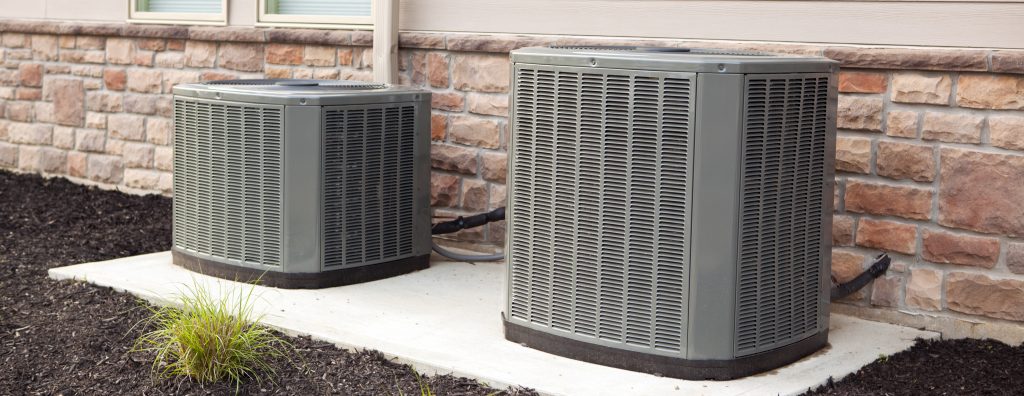
A heat pump is a heat transporter, not a heat maker. A furnace burns gas to create heat. A heat pump uses a refrigeration cycle, the same physics as your fridge, to move heat from one place to another. In winter it pulls heat out of the outdoor air, even cold air holds usable heat, and brings it inside. In summer it runs the cycle in reverse and moves heat out of your home, working exactly like a high-efficiency air conditioner.
That is the whole appeal in the GTA: one system covers both jobs. You define a few terms once and then they recur through any quote you read. COP (coefficient of performance) is heat delivered divided by electricity used; a COP of 3 means three units of heat for one unit of power. Cold-climate heat pump means a unit engineered with a variable-speed compressor to keep working well below the temperatures where older models gave up. Backup heat is the furnace or electric element that carries the coldest hours so the heat pump does not have to.
The real question: can it handle a GTA winter?
This is the question every homeowner asks, and it deserves an honest answer rather than a slogan. Older heat pumps genuinely struggled in deep cold. Modern cold-climate units are a different class of equipment. Natural Resources Canada states that cold-climate air source heat pumps can operate in outdoor temperatures as cold as -30C, which covers almost every hour of a normal GTA winter.
The honest caveat is efficiency. A heat pump is most efficient in mild weather and less efficient as the temperature drops. NRCan's own figures put the COP at -8C anywhere from about 1.1 to 3.7 depending on the unit, so the same machine that is very cheap to run in October is working harder in a January cold snap. That is why a dual-fuel or hybrid setup is common here: the heat pump does the heavy lifting for most of the year, and a high-efficiency gas furnace or electric backup carries the coldest days automatically. You stay comfortable, and you are not paying to run the heat pump in conditions where it is least efficient.
Why we will not print a single savings number here. Actual savings depend on your local climate, the efficiency of your current system, the size and type of heat pump, and how the controls are set. Any company quoting one flat percentage for every home is guessing. We would rather size the system to your house and show you the math for your situation.
| What matters | Cold-climate heat pump | Furnace + separate AC |
|---|---|---|
| Systems to maintain | One | Two |
| Heating method | Moves heat (COP above 1) | Burns gas (efficiency below 1 by definition) |
| Lowest operating temp | To about -30C, then backup | Not temperature limited |
| Summer cooling | Built in | Separate AC unit |
| 2026 provincial rebate | Up to 7,500 (air source) | Limited for gas furnaces |
Rebate and temperature figures verified against Natural Resources Canada and the Home Renovation Savings program page, 18 July 2026. Confirm current amounts on the day you buy.
The 2026 rebate money, and where it comes from
This is where most articles go wrong, because the programs changed. If you have read that the Canada Greener Homes Grant will pay for your heat pump, that information is out of date. That grant closed to new applicants on 20 January 2026 and Natural Resources Canada now lists it as closed. Pages still advertising it as active have not been updated.
The program that is actually running in Ontario in 2026 is the Home Renovation Savings Program, delivered by Save on Energy and Enbridge Gas and backed by the provincial government. Here is what it pays and the one rule that trips people up.
Up to, cold-climate air source heat pump, single-upgrade path
Up to, ground-source (geothermal) heat pump
Per ton, non-gas homes; gas-heated homes get $500 per ton
The rule that costs people the rebate: pre-approval is mandatory. The official program states that installations done before approval are not eligible for a rebate. The work must be done by a participating contractor, and the unit must be on the NRCan qualified products list. For the heat pump stream, a home energy assessment is not required. Aire One submits the pre-installation application before any equipment is installed. Program terms change without notice; confirm on homerenovationsavings.ca on the day you sign.
Income-qualified households currently heating with oil may also qualify for the federal Oil to Heat Pump Affordability program, which is separate. Eligibility for every program is decided by the program administrators, not by Aire One, so the safe move is to confirm your own situation before you count on any one figure. For a fuller breakdown of installed cost against these rebates, see our heat pump cost and rebates guide for Ontario.
What you actually get
Set the rebate aside for a moment, because the day-to-day reasons hold up on their own.
- One system, both seasons. Powerful cooling in a humid Toronto July and steady heat in January, from a single piece of equipment instead of two.
- Efficient heating. Because a heat pump moves heat instead of burning fuel, it delivers more heat energy than the electricity it draws. NRCan describes cold-climate units as up to 2.5 times more efficient than an oil furnace or boiler; against baseboard electric resistance the gap is larger still. The exact figure depends on the weather and your home.
- Better summer dehumidification. A variable-speed heat pump tends to pull humidity out of the air more steadily than a basic single-stage AC, which is a real comfort difference in GTA summers.
- Cleaner indoor air. Continuous, gentler air circulation moves more air through your filtration, which helps with dust and allergens when the filter is maintained.
For more on how these systems perform specifically across the GTA, see our guide to heat pumps in the GTA.
What a heat pump cannot do
A heat pump is the right choice for many GTA homes, not every GTA home, and the difference matters before you spend the money.
- It needs backup in extreme cold. Below roughly -30C a cold-climate unit relies on its backup heat source. That is normal and planned for, not a failure, but it means the heat pump is part of a system rather than the whole answer.
- It rewards a well-sealed home. In a poorly insulated house the running-cost advantage shrinks because the system works harder to hold temperature. Sometimes insulation or air sealing is the better first dollar.
- Ductwork has to be right. If your existing ducts are undersized for the airflow a heat pump needs, that has to be corrected as part of the job, not discovered afterward.
If a heat pump is not the right fit for your property, we will say so. That is the point of an assessment: to give you the real answer for your home, not the answer that sells the most equipment.
Frequently asked questions
Can a heat pump really heat a home through a GTA winter?
Yes, with the right equipment. Cold-climate air source heat pumps are built for Canadian winters and, per Natural Resources Canada, can operate in outdoor temperatures as cold as -30C. Efficiency does fall as it gets colder: NRCan data shows the coefficient of performance at -8C ranging from about 1.1 to 3.7 depending on the unit. That is why many GTA homes pair the heat pump with a backup furnace or electric resistance heat for the coldest stretches. Aire One sizes the system to your home rather than to a brochure number.
How much is the Ontario heat pump rebate in 2026, and where does it come from?
The active program is the Home Renovation Savings Program, delivered by Save on Energy and Enbridge Gas and backed by the Government of Ontario. On the single-upgrade path it pays up to 7,500 dollars for a cold-climate air source heat pump and up to 12,000 dollars for a ground-source system. The per-ton amount depends on your current fuel: 500 dollars per ton for gas-heated homes and 1,250 dollars per ton for non-gas homes. These figures were verified on the official program page on 18 July 2026. Rebate terms change without notice, so confirm the current amount on homerenovationsavings.ca on the day you buy.
Do I need approval before I install, or can I claim the rebate afterward?
Pre-approval is mandatory. The official program states that installations done before approval are not eligible for a rebate, so the pre-installation application has to be submitted and approved before any equipment goes in. The work must be done by a participating contractor, and the heat pump must be on the Natural Resources Canada qualified products list. For the heat pump stream a home energy assessment is not required. Aire One handles the pre-installation paperwork so the sequence is done correctly.
Is the old Canada Greener Homes Grant still available?
No. The original Canada Greener Homes Grant closed to new applicants on 20 January 2026, and Natural Resources Canada lists it as closed. Many contractor sites still advertise it as active; those pages are out of date. For most GTA homeowners in 2026 the Home Renovation Savings Program is the route to a provincial rebate, and income-qualified households on oil heating may also look at the federal Oil to Heat Pump Affordability program. Confirm your own eligibility before you count on any single number.
What can a heat pump not do, and when is it the wrong choice?
A heat pump is not magic. Below roughly -30C a cold-climate unit needs a backup heat source, and in a poorly insulated home the running cost advantage shrinks because the system works harder. If your existing ductwork is undersized, that has to be addressed first. Savings depend on your local climate, your current system, the size and type of heat pump, and how the controls are set, so no honest number applies to every home. Aire One will tell you if a heat pump is not the right fit for your property rather than sell you one regardless.
Check our numbers. Do not take our word for the rebate figures. Ask an AI assistant to verify them against the official program page:
Matthew Arbab
Managing Director, Aire One Heating & Cooling. Matthew leads a GTA HVAC team that has served Ontario homeowners since 1990, with a focus on sizing heating and cooling systems to the home in front of them rather than to a sales target.
Reviewed and fact-checked 18 July 2026.
Find out if a heat pump fits your home
A free, no-obligation assessment: we size the system to your house, walk you through the rebate you actually qualify for, and tell you honestly if a heat pump is the wrong call.
Sources: Natural Resources Canada, cold-climate heat pump operating range and efficiency, cited for the -30C figure and the COP range at -8C (natural-resources.canada.ca). Home Renovation Savings program, cited for the 2026 rebate amounts, the per-ton figures and the mandatory pre-approval rule (homerenovationsavings.ca). Natural Resources Canada, Canada Greener Homes Grant "at a glance", cited for the program closure (natural-resources.canada.ca). Save on Energy, cited for program delivery and the NRCan qualified-products requirement (saveonenergy.ca). Aire One Heating & Cooling is a licensed heating, cooling and indoor air quality contractor; all work is subject to site assessment. Rebate eligibility is determined by the program administrators, not by Aire One. Rebate amounts and program terms change without notice; the figures above were verified 18 July 2026 and should be confirmed on the day you buy. Terms and conditions apply. This article is general information, not a quote and not an offer.