

How to Fix a Drafty House
Find where cold air sneaks in, seal it properly, and know when the problem is your ductwork.
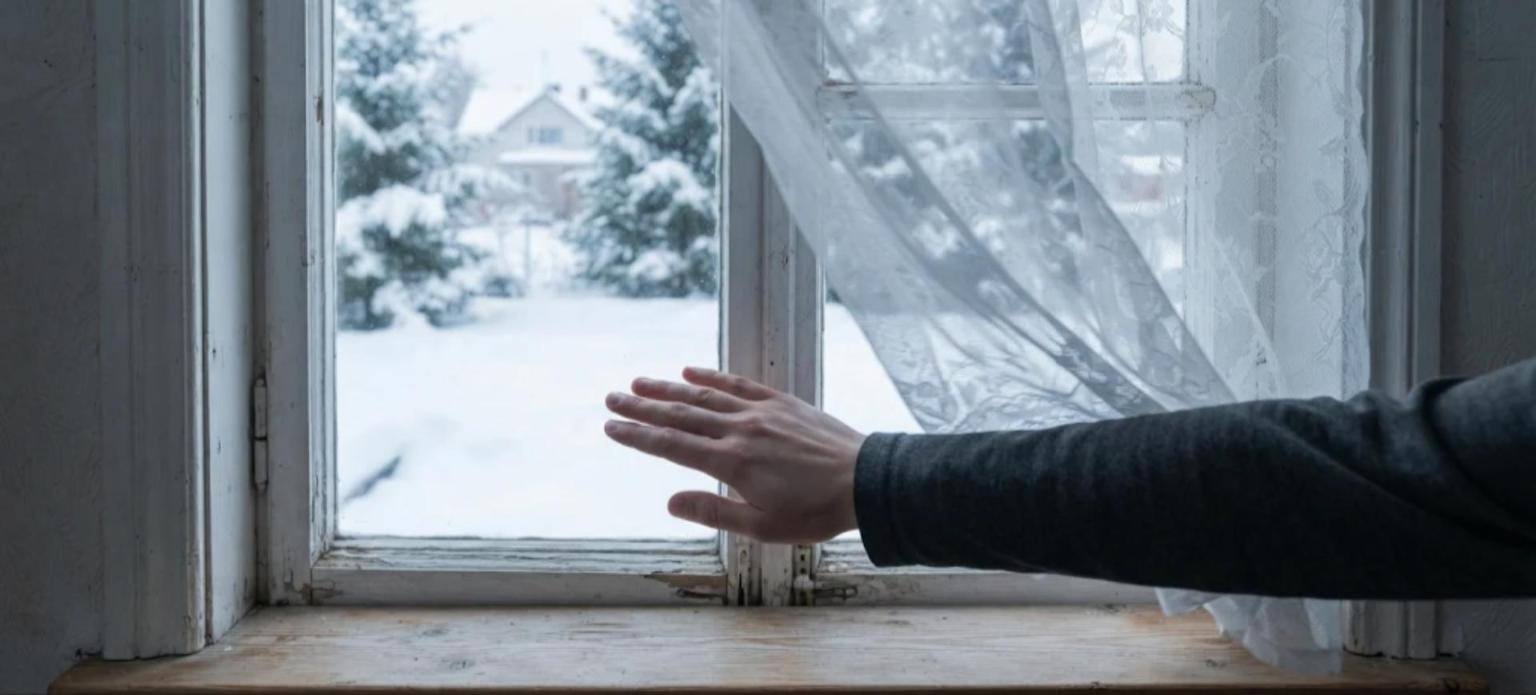

The short answer: How to fix a drafty house comes down to three steps: find where outside air gets in, seal those gaps with weatherstripping, caulk, door sweeps and gaskets, then make sure your heating and ventilation keep up. The biggest leaks often hide at the attic hatch, the rim joist and around pipes, not just windows. If drafts continue, have a technician check your ducts and airflow.
The thermostat is up, yet the living room feels chilly and the curtains move on windy nights. Learning how to fix a drafty house is one of the most affordable ways to feel warmer this winter, because leaking cold air makes your furnace or heat pump work harder for less comfort.
This guide covers where drafts come from, how to find them, safe DIY fixes, when a draft is really an HVAC problem and the Ontario rebates for air sealing. Aire One serves Markham, Richmond Hill and the wider GTA, and you can book a visit online.
Where Drafts Really Come From
The first lesson in how to fix a drafty house is that air moves as a system. Warm air escapes through the top of the house, and cold air is pulled in low to replace it. Natural Resources Canada (NRCan) calls this the stack effect: in winter, the house tends to operate like a chimney. A draft at a window or along the floor often starts with a leak in the attic or basement.
NRCan's Keeping the Heat In guide names windows, doors, wall cracks, interior trim and even ceiling light fixtures as potential leakage areas. Check these six spots first:
An unsealed hatch lets warm air escape into the attic.
Gaps where the wood frame meets the foundation let cold air in.
Worn weatherstripping, trim gaps and missing door sweeps.
Poorly sealed electrical boxes let cold air through the cover plate.
An open or loose damper lets heat escape up the chimney.
Pipes and wires through walls and the attic leave gaps.
How to Fix a Drafty House Starts With Finding the Leaks
Pick a cold, windy day, close every window and exterior door, and work room by room:
| Method | How it works | Who does it |
|---|---|---|
| Hand test | Move a damp hand slowly along trim, door edges, outlets and baseboards. Moving air points to a leak. | Homeowner |
| Incense test | NRCan suggests a leak detector made from burning incense sticks. Smoke that scatters or bends near a gap shows moving air. | Homeowner |
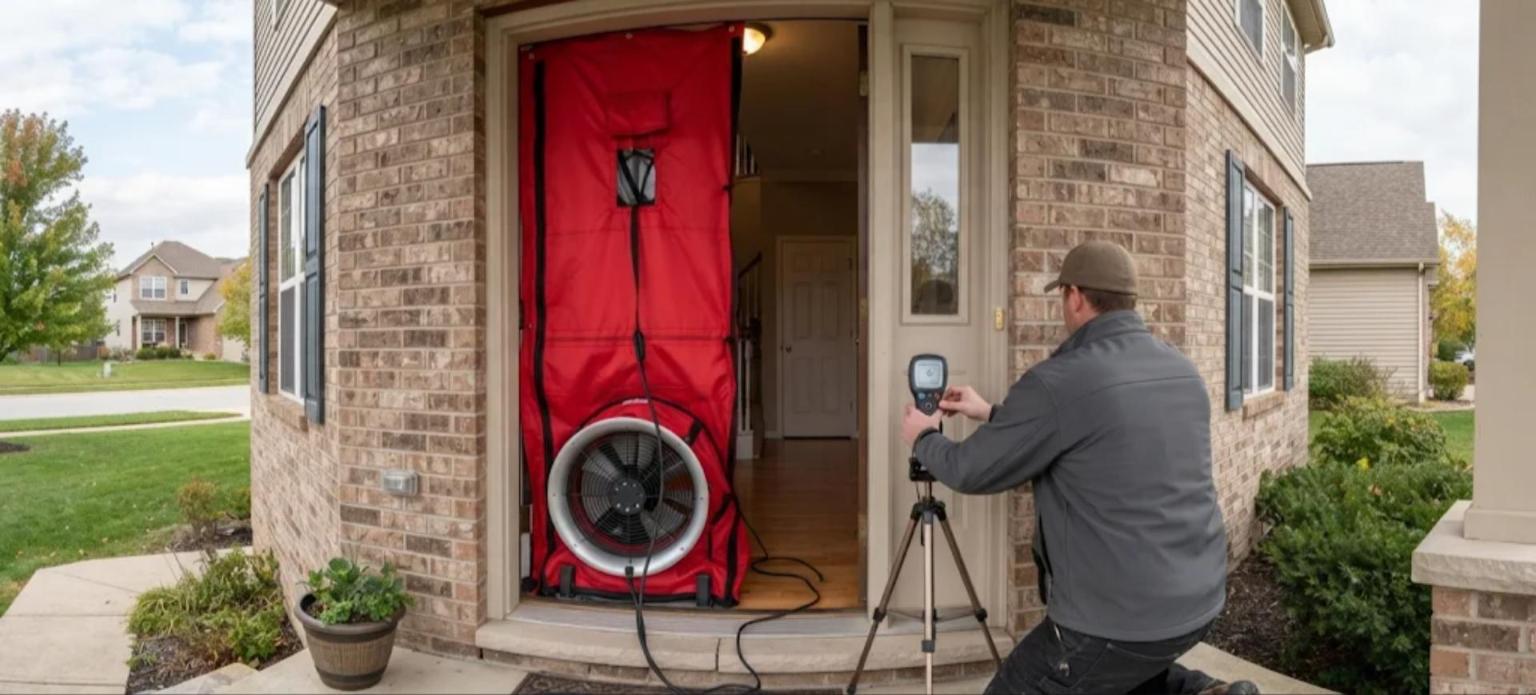
| Blower door test | A fan in an exterior doorway depressurizes the house to measure airtightness and reveal hidden leaks. | Registered energy advisor |
Keep incense away from curtains, the furnace, the water heater and the fireplace, and never leave it unattended. The blower door test is part of an EnerGuide home evaluation by an energy advisor registered with NRCan. Our guide to a home energy audit in Ontario explains the visit.
How to Fix a Drafty House: Seven Fixes Ranked by Effort
Match each leak to the right fix, starting with the easy ones:
| Fix | Best for | Effort |
|---|---|---|
| 1. Weatherstripping | Edges of doors and windows that open | Easy DIY |
| 2. Door sweeps | The gap under exterior doors | Easy DIY |
| 3. Caulking | Trim, baseboards and windows that never open | Easy DIY |
| 4. Attic hatch seal | Weatherstrip, latch and insulation | Moderate DIY |
| 5. Outlet gaskets | Outlets and switches on exterior walls | DIY with care |
| 6. Rim joist and penetrations | Basement header, pipe and wire holes | DIY or pro |
| 7. Duct sealing and balancing | Leaky ducts and uneven airflow | Professional |
A few notes keep these fixes safe:
- Caulk windows that never open. NRCan recommends caulk, not weatherstripping, for these.
- Treat the attic hatch like a door. NRCan advises sealing it as you would an exterior door, with a latch that holds it tight against the weatherstripping.
- Outlet gaskets need the power off. NRCan says to turn off the power at the breaker before removing the cover plate to fit a foam gasket. Only the plate comes off. If you see scorch marks or loose wires, stop: anything inside an electrical box is work for a licensed electrician.
- Use the right caulk near heat. NRCan advises non-combustible caulking around chimneys, flues and light fixtures. Never block a furnace, water heater or fireplace vent, or the furnace room's air supply.
- Close the fireplace damper only when the fire is fully out. Never alter a gas fireplace's venting; ask our fireplace services team to check a drafty unit.
When the Draft Is Really an HVAC Problem
If rooms still feel drafty after sealing, part of how to fix a drafty house is checking how air moves through your heating system. Common causes:
- Leaky ducts. Ducts in a garage, attic or crawl space can lose warm air at loose joints. Our post on maintaining and cleaning HVAC ductwork covers the basics.
- Unbalanced airflow. Rooms over a garage or at the end of a long duct run often get too little heat. See why one room is colder than the rest.
- Negative pressure. Bathroom fans, the range hood and the dryer push air out, and replacement air is pulled in through every gap.
- Blocked returns or a clogged filter. Furniture over return grilles or a dirty filter cuts airflow.
Drafts also raise energy use; see why your heating bill is too high. Our Richmond Hill HVAC team can check ducts and airflow room by room.
Seal Tight, Then Ventilate Right
Any plan for how to fix a drafty house must include fresh air. NRCan notes that as a home is tightened, humidity rises and can cause condensation and moisture problems, so controlled whole-house ventilation is part of air leakage control. If windows fog after sealing, read our guide to condensation on windows in winter.
A heat recovery ventilator (HRV) uses outgoing stale air to temper incoming fresh air, giving ventilation without a cold draft.
Combustion safety comes first
Older, naturally vented gas appliances, such as a furnace or water heater that vents into a chimney, can backdraft in a tightly sealed house with exhaust fans running. NRCan warns that without enough air, the chimney or flue could spill dangerous gases into the house. Before a major sealing project, have a licensed technician check venting and combustion air.
- Ontario requires CO alarms in homes with a fuel-burning appliance, a fireplace or an attached garage, next to each sleeping area and, since January 1, 2026, on every storey. See our Ontario CO alarm guide.
- If a CO alarm sounds, get everyone out and call 911 from outside.
- If you smell rotten eggs, leave the home and call Enbridge Gas at 1-866-763-5427 or 911 from outside.
Ontario Rebates That Help Pay for Air Sealing
If you are planning how to fix a drafty house with rebates in mind, Ontario's Home Renovation Savings Program, delivered by Save on Energy and Enbridge Gas with Ontario government support, can help. Air sealing sits in the bundled path: a home energy assessment first, then two or more upgrades. Listed amounts:
| Bundled path item | Listed rebate |
|---|---|
| Home energy assessment | $600 back |
| Air sealing | Up to $250 |
| Insulation | Up to $7,700 |
| ENERGY STAR windows and doors | $100 back per rough opening |
Attic insulation and cold climate heat pumps are also offered as single upgrades. Amounts change, so confirm details at saveonenergy.ca before starting work. Our 2026 Ontario rebates guide lists other programs.
How to Fix a Drafty House in the Right Order
This order tackles the biggest leaks first:
- Book the assessment first if you plan two or more upgrades, to keep the bundled rebate in reach.
- Seal the top of the house: the attic hatch and attic penetrations.
- Seal the bottom: the rim joist and basement pipe holes.
- Weatherstrip and sweep exterior doors, then caulk window trim.
- Book an HVAC check for ducts, airflow, ventilation and combustion safety.
Old windows may need more than sealing; our post on how windows affect your home's temperature explains why. Before replacing anything, check our government rebates page.
Draft and Comfort Help in Richmond Hill, Markham and the GTA
Aire One has kept Ontario homes comfortable since 1990 and holds a 4.8-star Google rating from 541 reviews, with technicians serving Markham, Richmond Hill and the GTA 24/7. When the answer to how to fix a drafty house is ducts, airflow or ventilation, we start with a $79 service call, and for bigger upgrades we offer a free Total Home Assessment, financing and a 10-year worry-free warranty. Visit our HVAC company in Richmond Hill or HVAC company in Markham pages, or ask about a maintenance plan.
Still unsure how to fix a drafty house after sealing?
Book an airflow and ventilation check. We serve Markham, Richmond Hill and York Region, TSSA-registered and trusted since 1990.
310-HEAT (310-4328) · 24/7 service · $79 service call*
Frequently Asked Questions
Can I fix a drafty house myself?
Yes, most of how to fix a drafty house is homeowner work: weatherstripping, door sweeps, caulking and the attic hatch. Leave electrical boxes to an electrician, gas or venting work to a licensed technician, and duct sealing to an HVAC contractor.
What is the first step in how to fix a drafty house?
Find the leaks before buying materials. A hand or incense test finds obvious gaps, and a blower door test during a home energy assessment finds hidden ones.
Can a house be sealed too tight?
A house can be tight if it is ventilated. Sealing raises humidity and can affect older, naturally vented gas appliances, so plan for fresh air, such as an HRV, and have a technician check combustion safety.
Why does my house feel drafty when the windows are closed?
Cold air is pulled in low through the rim joist, outlets and baseboards while warm air escapes through the attic. Exhaust fans make it stronger, and uneven furnace airflow can also feel like a draft.
Are there rebates for air sealing in Ontario?
Yes. The Home Renovation Savings Program lists air sealing at up to $250 in its bundled path, which starts with a home energy assessment and requires two or more upgrades. Check saveonenergy.ca for current amounts and rules.
Sources and Helpful Resources
- Natural Resources Canada: Keeping the Heat In, Comprehensive Air Leakage Control
- Natural Resources Canada: EnerGuide Home Evaluations
- Save on Energy: Home Renovation Savings Program
- Government of Ontario: Carbon Monoxide Safety
This article is general information. Leave electrical, gas and venting work to licensed professionals.
Matthew leads the Aire One Markham and Metro Toronto team, helping GTA homeowners stay warm and safe every winter. Aire One has been a TSSA-registered, Carrier Factory Authorized Dealer since 1990.