


How Long Does a Water Heater Last?
Published lifespans for tank, tankless and heat pump water heaters, what wears each one out, and how to plan a replacement before a cold shower forces it.
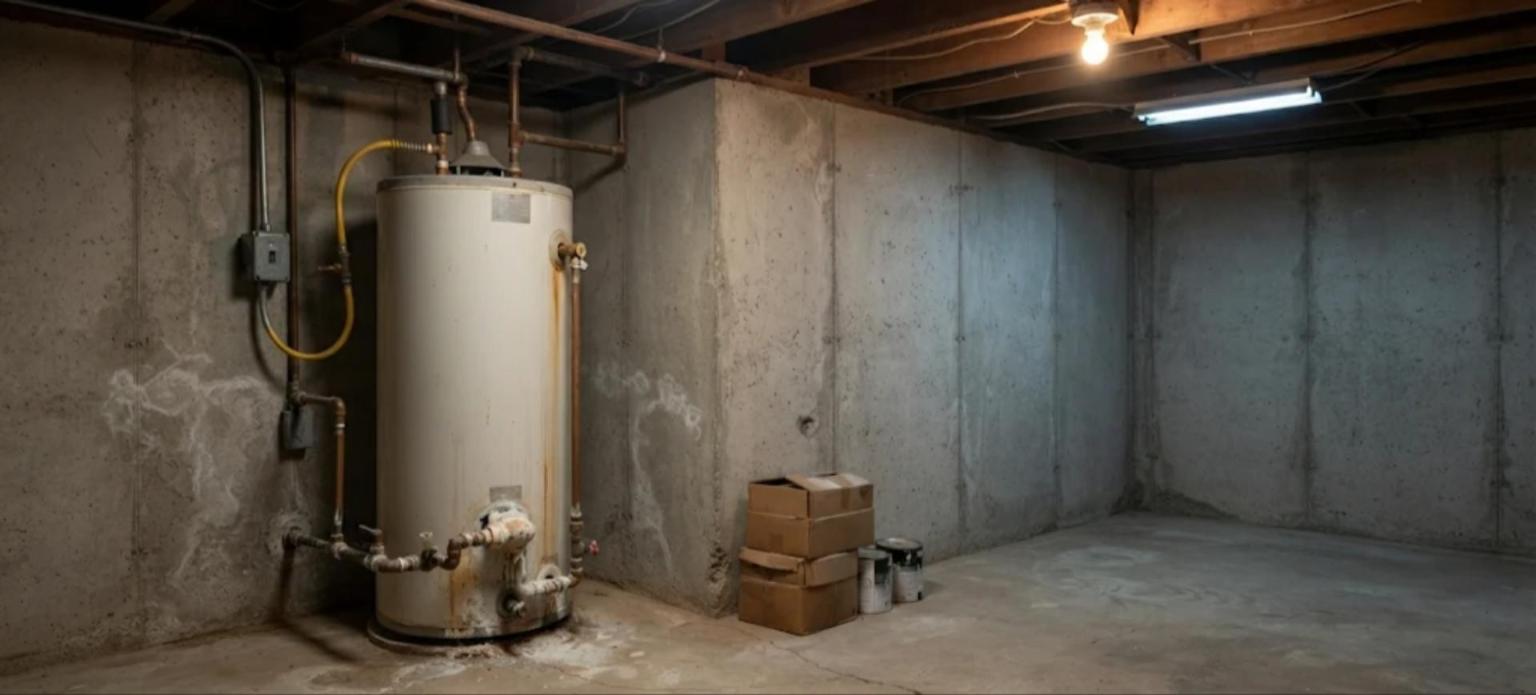

The short answer: How long does a water heater last? The U.S. Department of Energy says a storage tank water heater lasts 10 to 15 years, a tankless (demand) unit about 20 years and a heat pump water heater about 10 to 15 years. ENERGY STAR suggests thinking about replacement once a water heater is more than 10 years old. Water quality, maintenance and installation decide where yours lands.
Hot water is easy to take for granted until it runs out halfway through a January shower. Asking how long does a water heater last before that happens gives you time to compare options, check rebates and replace it on your schedule instead of in an emergency.
This guide covers the published lifespan for each type, what happens inside an aging tank and the habits that add years. If yours is already acting up, you can book a visit online or call 310-HEAT any time.
How Long Does a Water Heater Last? Lifespan by Type
The U.S. Department of Energy (DOE) publishes a chart comparing water heater types. It does not split tanks by fuel, so gas and electric storage tanks share one range. The bars below show those figures on a 25-year scale.
Source: DOE Energy Saver water heater comparison chart.
The DOE adds that proper maintenance is key, and that water heaters typically last about 10 to 15 years. ENERGY STAR calls the 20-year tankless figure much longer than any conventional tank-type water heater. Natural Resources Canada encourages an upgrade once a water heater is more than 10 years old. So the honest answer to how long does a water heater last is a range, and your tank can land at either end of it.
What Wears Out Inside a Tank
A storage tank fails from the inside out. ENERGY STAR warns that water heaters can appear to work fine and then fail without warning. Four parts tell the story:
The steel tank. A protective lining slows rust, but hot water and dissolved minerals attack any weak spot over time.
The anode rod. This metal rod corrodes on purpose so the tank does not. Once it is used up, the steel takes the damage instead.
Sediment on the bottom. ENERGY STAR notes that aging and poor maintenance let sediment build up. That layer makes the burner or elements work harder.
Valves and fittings. The drain valve, relief valve and pipe connections wear with years of heating and cooling.
Gas and electric tanks share these weak points, but electric models add heating elements and thermostats that can fail on their own. See common problems with electric water heaters for those parts.
Five Things That Add or Remove Years
Two identical tanks on the same street can retire years apart, because how long does a water heater last really comes down to these five factors.
- Anode rod checks. A technician can inspect the rod during service and replace it before it is gone. Your manufacturer's manual usually lists the recommended interval.
- Sediment flushing by a technician. Draining sediment keeps the bottom of the tank from overheating. The water can scald, and gas units have a burner below, so leave flushing to a technician or follow the manufacturer's manual exactly. On an older tank that has never been flushed, a technician can judge whether the drain valve will reseal.
- Water hardness. Hard water leaves minerals that settle as sediment in tanks and as scale inside tankless heat exchangers. Your municipality's water quality report shows how hard your supply is, and a softener can help in hard-water homes.
- Water pressure and expansion. Heated water expands. In homes with a check valve or backflow preventer on the main line, that extra volume has nowhere to go, so pressure spikes with every heating cycle. A thermal expansion tank, sized and installed by a professional, absorbs those spikes.
- Installation quality. Correct sizing, proper venting for gas units and a location that never freezes all matter. Venting and gas connections are work for a TSSA-registered contractor, never a weekend project.
Aire One's maintenance and protection plans put your heating equipment on a regular schedule, and you can ask our HVAC servicing and repairs team to look at the water heater too.
How Long Does a Water Heater Last Without a Tank?
A tankless unit heats water only when a tap opens, and it has no tank of standing water to corrode. The DOE and ENERGY STAR both put tankless life at about 20 years, compared with 10 to 15 for a tank. If you ask how long does a water heater last because you want fewer replacements, tankless is the type rated longest.
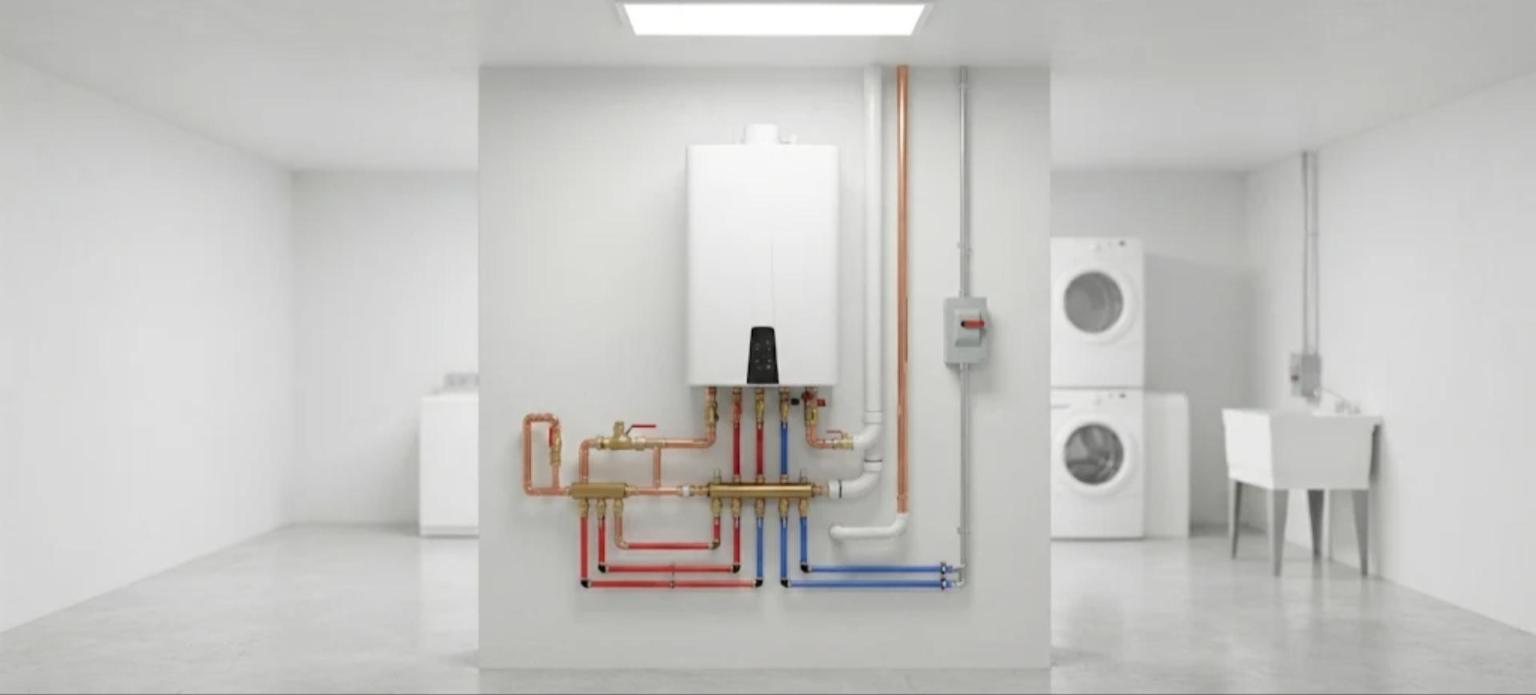
Tankless units still need care. Minerals collect as scale inside the heat exchanger, so most manufacturers call for periodic descaling. Our guide to tankless water heater maintenance explains that service, and our post on the benefits of tankless water heaters covers the rest. To compare models, our tankless water heater page covers sizing and installation.
Heat pump water heaters pull heat from the surrounding air. The DOE notes they need a space that stays between about 4°C and 32°C (40°F to 90°F) year-round and at least 1,000 cubic feet of air around the unit. Our heat pump water heater guide explains the trade-offs, and our Ontario rebates guide tracks the Home Renovation Savings Program, which has included heat pump water heaters. Amounts change, so confirm current offers at saveonenergy.ca.
Checking Your Water Heater's Age and Condition
The best answer to how long does a water heater last in your house starts with its install date. Look on the installation invoice, the home inspection report or a dated service sticker. The serial number on the rating plate often encodes the build date, and a technician can decode it.
Quick look, no tools needed
- Rust or flaking around the base, the fittings or the drain valve
- Rusty hot water, which ENERGY STAR links to internal corrosion
- Rumbling or popping while heating, often caused by sediment
- Moisture or a small puddle under the tank
- Hot water that runs out sooner than it used to
For the full checklist, see our post on the 6 signs it may be time to replace your water heater. If you already see water, read water heater leaking first, and if the taps have gone cold, start with no hot water.
Safety first with an older tank. Never cap or plug the relief valve discharge pipe, and remember that water from a tank can scald. If you smell rotten eggs near a gas water heater, leave the home right away, then call Enbridge Gas at 1-866-763-5427 or 911 from outside. If a carbon monoxide alarm sounds, get everyone out and call 911.
Repair, Replace or Plan Ahead?
Knowing how long does a water heater last on paper only helps if you act on it. Age and the type of problem point the way:
| Your situation | Usual next step |
|---|---|
| Under 10 years, one failed part such as a thermostat, element, igniter or valve | Repair is usually worth it. |
| Past 10 years and working well | Keep it, have it inspected and start comparing replacements. |
| Past 10 years with a second repair or rusty water | Replacement usually makes more sense than another repair. |
| Water seeping from the tank body itself | Replace. A corroded tank cannot be patched. |
ENERGY STAR points out that replacing an aging water heater before it fails can spare you a costlier emergency replacement. Aire One offers a $79 service call for diagnosis, a free Total Home Assessment, financing and a 10-year worry-free warranty on qualifying installations. Start with our tankless water heater installation page, or ask our service and repair team to look at your current unit first.
Renting your tank? Many Ontario homes rent their water heater. Call your rental provider before booking any work, since your agreement usually decides who repairs or replaces it.
Water Heater Help Across Markham, Richmond Hill and the GTA
Aire One has looked after Ontario homes since 1990, with 24/7 technicians and a 4.8-star Google rating from 541 reviews. If you are asking how long does a water heater last in your own home, an inspection beats guessing. Our HVAC company in Markham and HVAC company in Richmond Hill teams service water heaters alongside furnaces and boilers. Wondering about your heating system too? Our guide on how long a furnace lasts uses the same planning approach.
How long does a water heater last in your home? Let us check.
Book an inspection or a free Total Home Assessment. We serve Markham, Richmond Hill and York Region, TSSA-registered and trusted since 1990.
310-HEAT (310-4328) · 24/7 service · $79 service call*
Frequently Asked Questions
How long does a water heater last in Ontario?
The U.S. Department of Energy lists 10 to 15 years for a storage tank and about 20 years for a tankless unit. No separate Ontario figure is published, but hard water and long winters with colder incoming water put extra work on any water heater, so maintenance matters.
Does a tankless water heater really last longer than a tank?
Yes, on average. ENERGY STAR gives tankless water heaters a life expectancy of 20 years, much longer than conventional tank-type models. They still need periodic descaling to reach that age, especially in hard-water homes.
Can flushing make a water heater last longer?
It can help. Sediment builds up as a tank ages, and removing it reduces strain on the burner or elements. Have a technician flush the tank, or follow the manufacturer's manual exactly, because the water can scald.
Should I replace a water heater that is over 10 years old but still works?
Not automatically. ENERGY STAR and Natural Resources Canada both suggest considering an upgrade past 10 years. Have it inspected, watch for rust or leaks, and plan a replacement so a failure does not catch you off guard.
What should I do if I rent my water heater?
Call your rental provider first. Your rental agreement usually decides who repairs or replaces the unit, so check it before booking any other work or buying a new water heater.
Sources and Helpful Resources
This article is general information. Published answers to "how long does a water heater last" are averages, not a guarantee for any one unit. Always follow your manufacturer's instructions.
- U.S. Department of Energy: Which Water Heater Is Right for You?
- ENERGY STAR: Save More with Gas Tankless Water Heaters
- ENERGY STAR: When Should You Replace Your Water Heater?
- Natural Resources Canada: Water Heaters Infographic
Matthew leads the Aire One Markham and Metro Toronto team, helping homeowners keep their heat and hot water running through every Ontario winter. Aire One has been a TSSA-registered, Carrier Factory Authorized Dealer since 1990.