
The Right Thermostat Setting When Away in Winter
How low is safe for a weekend or a long vacation, and what to check before you lock the door.
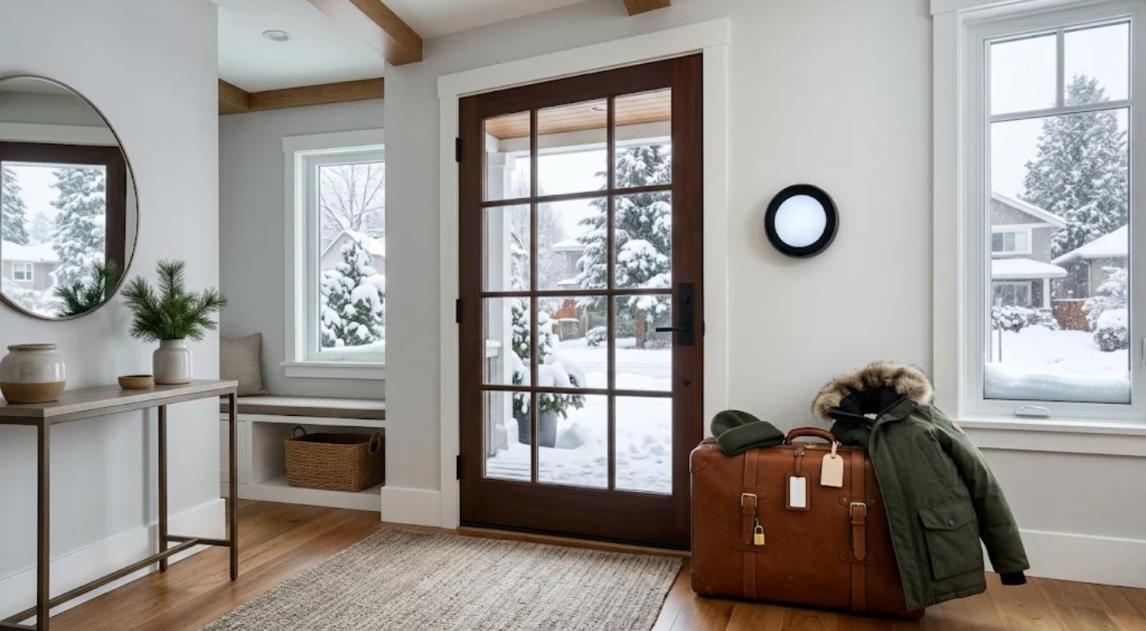

Planning a ski weekend, a holiday visit or a few weeks somewhere warm? The right thermostat setting when away in winter saves energy without putting your pipes, your furnace or your insurance coverage at risk. Set it too low, or switch it off, and one cold snap can leave you coming home to a burst pipe and a flooded basement.
The short answer: For a short trip, a thermostat setting when away in winter of about 17°C works well; that is the away temperature Natural Resources Canada suggests. For a longer vacation, never let it drop below 15°C, the minimum the City of Vaughan advises before travelling. Never turn the heat off, and have someone you trust check the home while you are gone.
Below, we cover the safe thermostat setting when away in winter by trip length, heat pump and furnace differences, and a pre-trip checklist. For your everyday schedule, see our guide to recommended thermostat settings for your home.
Thermostat Setting When Away in Winter, by Trip Length
Public sources agree on a safe band for the thermostat setting when away in winter. Natural Resources Canada (NRCan) suggests about 17°C when you are asleep or not at home. The City of Vaughan, our York Region neighbour, tells residents to leave the heat on and set the thermostat to at least 15°C before travelling.
A few days away
About 17°C
A weekend or short work trip. Schedule the heat to come back up a few hours before you return.
One to three weeks
15°C to 17°C
Stay at or above 15°C, and lean toward 17°C if pipes run along outside walls or the basement is cold.
A month or more
15°C or higher
Snowbird season. Keep the same floor, add regular home checks, and ask a plumber about draining the water.
Why not lower? The thermostat measures hallway air, not the inside of a cold outside wall or crawl space. When the main floor reads 15°C on a frigid night, the coldest corners can be far colder, so a safe thermostat setting when away in winter keeps a buffer above freezing.
Why You Should Never Turn the Heat Off
The worst thermostat setting when away in winter is off. The Insurance Bureau of Canada says that if you go on vacation during the heating season, even for a few days, you should leave the heat on and have someone you trust check your home, and that failing to do so can affect your coverage.
An unheated house in an Ontario cold snap can drop below freezing, and a burst pipe can run for days before anyone notices. If that happens, our guide on what to do if your pipes freeze walks you through the first steps.
Do not shut off the gas to the furnace before a trip either; gas valves are work for a licensed technician. If you return to a gas smell, leave the house right away and call Enbridge Gas at 1-866-763-5427 or 911 from outside.
Where Pipes Freeze First in an Empty House
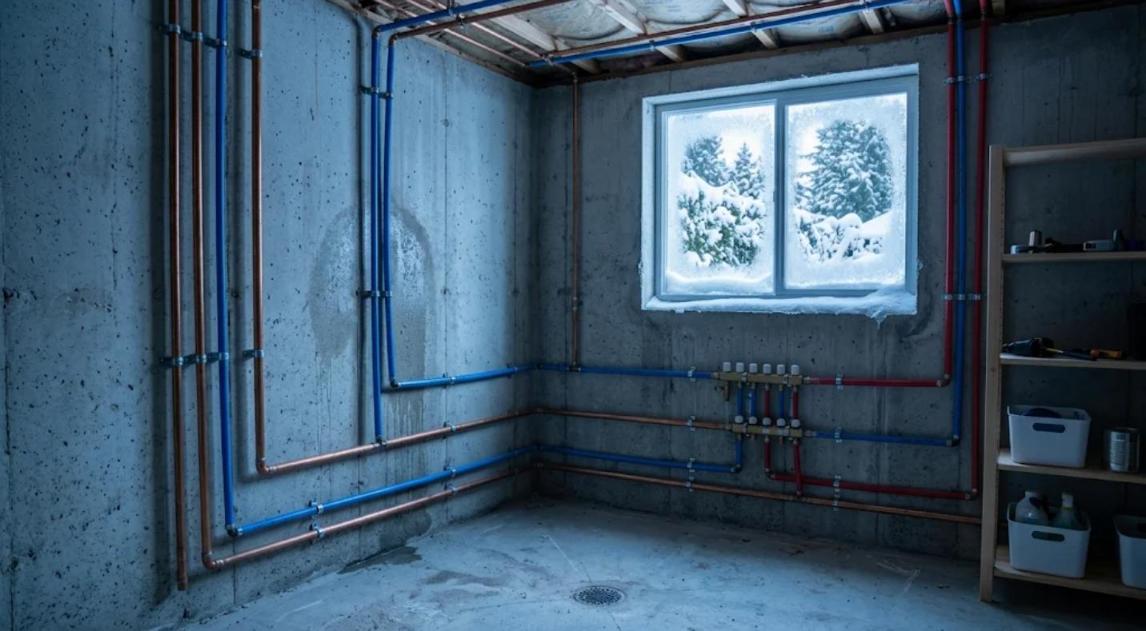
Frozen pipes start where cold air meets water lines and warm air cannot reach, which is why the thermostat setting when away in winter matters most at the edges of the house. The City of Vaughan points to pipes near outside walls, in crawl spaces and in attics. Check these spots:
Leave interior doors, registers and return grilles open so heat reaches every room. Our article on whether closing vents in unused rooms saves money explains why closed vents backfire.
Heat Pump or Furnace: Does the Thermostat Setting When Away in Winter Change?
The safe floor stays the same, but recovery depends on the equipment.
Gas furnace
- Recovers quickly, so the 15°C to 17°C range works well.
- Needs electricity, so a power outage stops it.
- Intake and exhaust pipes must stay clear of snow.
Heat pump
- Responds more slowly, so NRCan advises setbacks of no more than 2°C or a smart thermostat that starts recovery early.
- After a big setback, backup heat may run until the heat pump catches up.
- The outdoor unit needs to stay clear of snow and ice.
With a heat pump, keep the thermostat setting when away in winter modest on short trips. On a long vacation, the 15°C floor matters more than recovery cost; schedule the return to normal a day early so the house warms gradually. Our guide to heat pump emergency heat explains the backup setting, and our heat pump services page covers repairs and installs. For outages, read how your furnace behaves during a power outage.
Smart Thermostats: Remote Monitoring and Freeze Alerts
Even the best thermostat setting when away in winter cannot help if the system stops. NRCan notes that smart thermostats let you control heating from your phone, computer or tablet, and many models can also send an alert when the indoor temperature drops below a level you choose.
- Set a low temperature alert a degree or two below your away setting, and share it with your house sitter.
- Test Wi-Fi before you leave. After a power blip, the thermostat may stay offline.
- Use vacation or hold mode so the weekday schedule does not heat an empty house.
If the app shows the thermostat offline or the screen goes blank, our guide to a thermostat not working covers the usual causes. An alert is no replacement for a person who can get inside, so if one comes in, call 310-HEAT. Our Richmond Hill HVAC team and Markham technicians answer 24/7.
Your Pre-Trip Timeline
Two weeks before
Book a tune-up if it has been more than a year. Ask your insurance broker how often someone must check the home and whether the water must be shut off for a long absence. Policies differ.
A few days before
Arrange a trusted person to check the home, and show them the thermostat, the main water shut-off valve and the furnace room. Replace the furnace filter.
The day you leave
Set your away temperature, open sink cabinets on outside walls, close the garage door and confirm the app is online. For a long absence, have a licensed plumber drain the water and look after the water heater.
While you are away
Your checker confirms the house is warm, looks for leaks and clears snow from the vents after storms. See our tips on a furnace vent blocked by snow.
Before you come home
Raise the temperature remotely a day ahead, then check under sinks for drips when you arrive.
The 7-Point Pre-Trip Furnace Check
These look-only checks are safe for any homeowner. Anything involving gas, wiring or the burner area belongs to a licensed technician.
- Thermostat. Fresh batteries, heat mode on, and your thermostat setting when away in winter locked in with hold mode.
- Filter. A clogged filter strains the system. Our guide to furnace filters covers sizes and timing.
- Registers and returns. Open and unblocked.
- Intake and exhaust pipes. Clear of snow and ice.
- Condensate drain. No water pooling around the furnace. A frozen condensate line can shut the furnace down.
- Furnace door and service switch. Door closed firmly, switch on. Look only.
- CO alarms. Press the test button on each alarm. Ontario's rules are explained in our carbon monoxide alarm guide.
If anything looks wrong, book a visit before you go. Members of our maintenance and protection plans get a yearly tune-up and priority booking, which helps when a trip is only days away.
Travel-Ready Heating Help for GTA Homeowners
Aire One has kept Ontario homes warm since 1990, with technicians on call 24 hours a day and a 4.8-star Google rating from 541 reviews. Not sure of the right thermostat setting when away in winter for your house? We serve homeowners across the GTA, including Markham and Richmond Hill, and we answer fast if your house sitter calls about a cold home. Learn more about our HVAC company in Richmond Hill or our HVAC company in Markham. A pre-trip maintenance plan visit is the simplest way to leave with peace of mind.
Leaving soon? Get your heating checked first.
TSSA-registered technicians serving Markham, Richmond Hill and the GTA, 24/7, since 1990.
310-HEAT (310-4328) · 24/7 service · $79 service call*
Frequently Asked Questions
What is the best thermostat setting when away in winter for a week?
For about a week, 15 to 17 degrees Celsius is a safe range for most homes. NRCan suggests 17 degrees when no one is home, and the City of Vaughan advises at least 15 degrees before travelling. Choose the higher end if your home has pipes on outside walls.
Can I turn my heat off when I go on vacation in winter?
No. The Insurance Bureau of Canada says to leave the heat on, even for a few days, and to have someone you trust check the home. Without heat, pipes can freeze and burst, and failing to follow that advice can affect your coverage.
Should I turn off the water before a long winter trip?
For a long absence, shutting off the main water valve and draining the lines lowers the risk of a flood. Ask your insurer what your policy requires, and have a licensed plumber do the work and look after the water heater at the same time.
How often should someone check my home while I am away?
Insurance policies differ, so ask your broker how often the home must be checked. Each visit should confirm the house is warm, look for leaks, and clear snow from the furnace vents after storms.
Is the away setting different for a heat pump?
The safety floor is the same, but heat pumps recover slowly. NRCan advises setbacks of no more than 2 degrees Celsius or a smart thermostat that starts recovery early, so backup heat does not run longer than needed.
Sources and Helpful Resources
- Natural Resources Canada: Smart Thermostats
- City of Vaughan: Be Water Wise, Frozen Water Service (PDF)
- Insurance Bureau of Canada: Winter Safety
- Natural Resources Canada: Heating and Cooling With a Heat Pump
Matthew leads the Aire One Markham and Metro Toronto team, helping homeowners keep their heating systems safe and running through every Ontario winter. Aire One has been a TSSA-registered, Carrier Factory Authorized Dealer since 1990.