
Cold Air Return Vents What They Do and How to Keep Them Working
How returns work, where they belong, the signs they are starved for air, and the safe fixes.
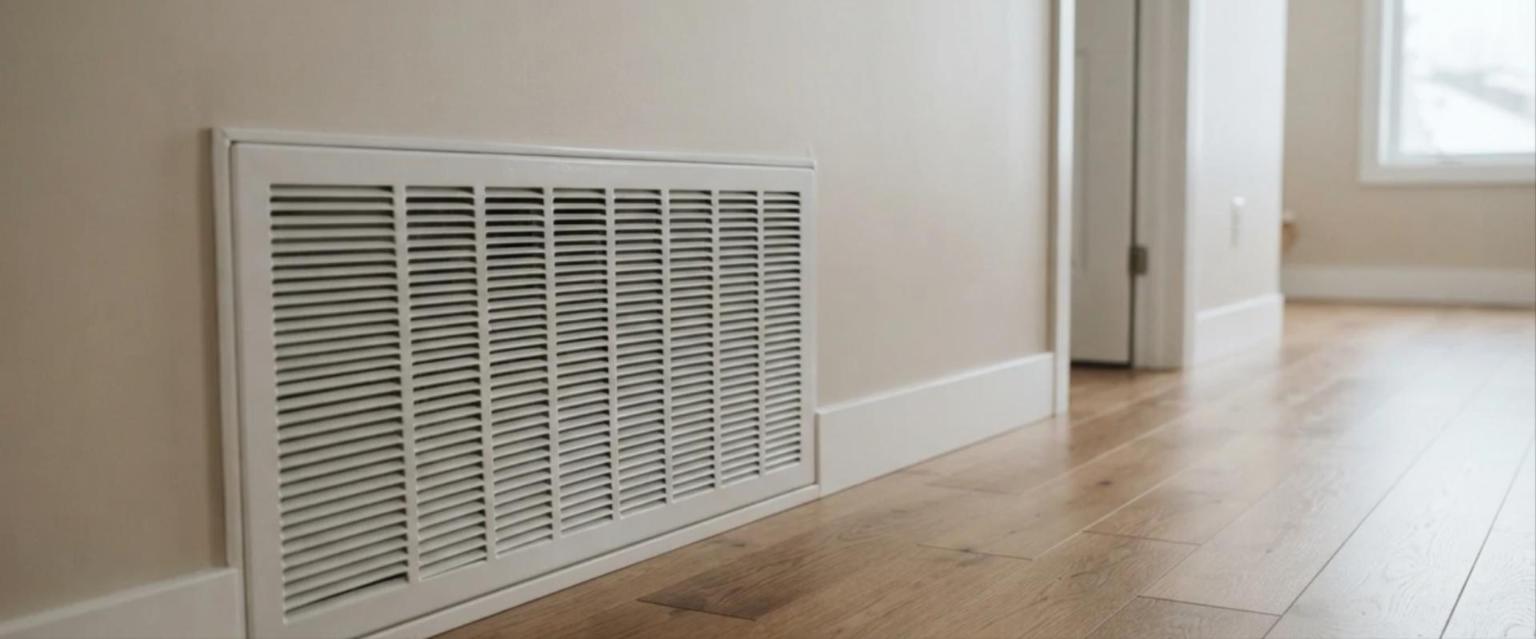

The short answer: Cold air return vents pull room air back to your furnace so it can be filtered, heated and sent out again through the supply registers. They need to stay open, clean and uncovered. When returns are blocked or too few, the furnace struggles for air, rooms heat unevenly and the system gets louder and less efficient. Never close or cover a return, and have a technician check airflow if some rooms stay cold.
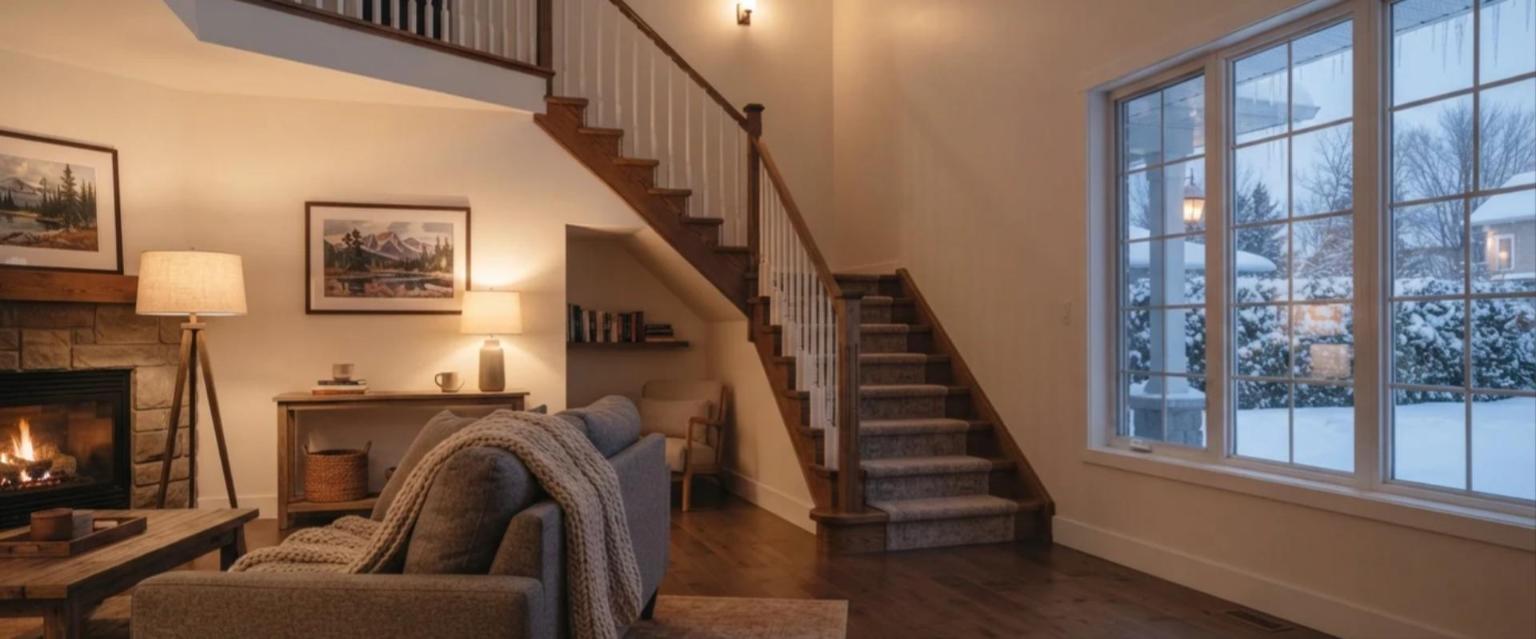
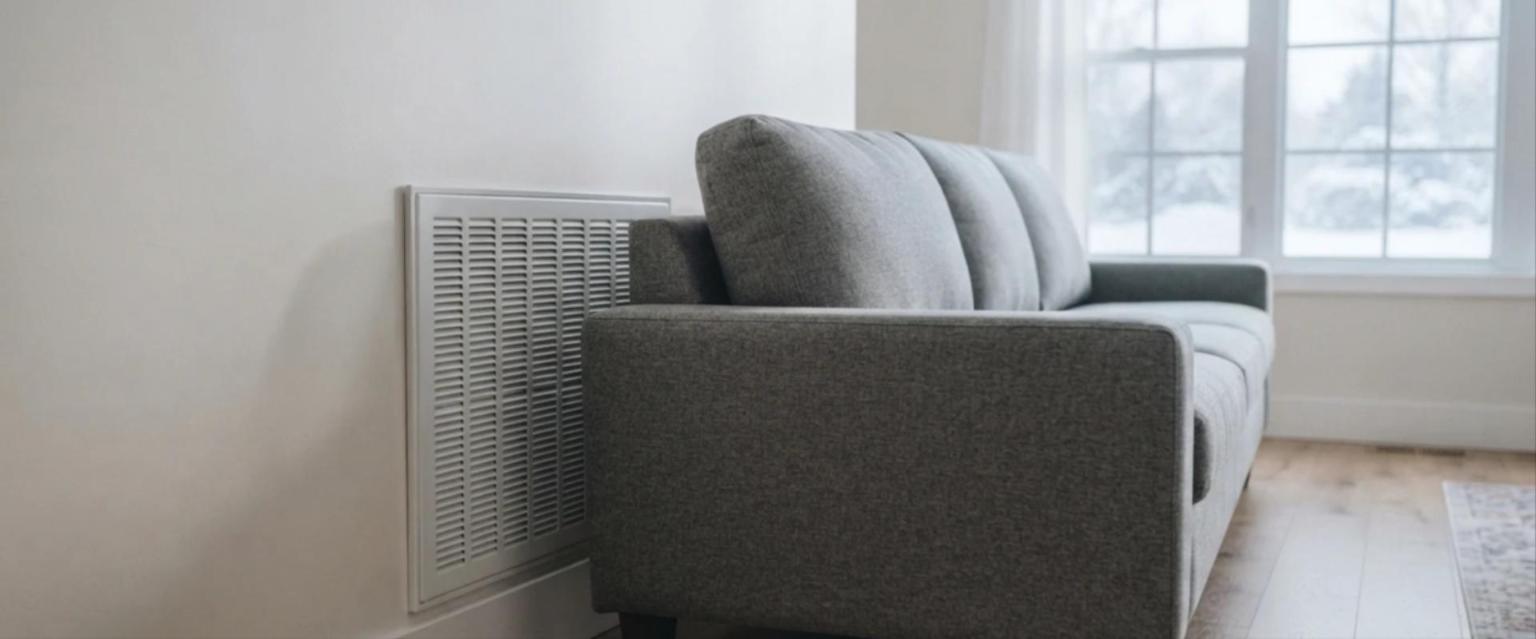
Most homeowners know where their heat comes out. Far fewer could point to where it goes back in. Cold air return vents are the large grilles, usually low on a wall or in a hallway floor, that draw air back to the furnace. Because they do not blow anything, they are easy to cover with a couch or close off, a habit behind many winter comfort calls.
Aire One serves homeowners across the GTA, including Markham and Richmond Hill, and you can book an airflow check online at any hour.
Supply registers
Smaller vents, often under windows, that push warm air into each room.
Return grilles
Larger grilles that pull air back toward the furnace. A tissue held near one is drawn toward it.
What Cold Air Return Vents Actually Do
A forced-air furnace is a loop. The blower pushes heated air through the supply ducts into each room, and the same amount of air has to come back through the return ducts to be filtered and heated again. If air cannot get back easily, the blower cannot move the air it was designed to move.
Returns also keep pressure balanced. The U.S. Department of Energy notes that a duct system "should provide balanced supply and return flow to maintain a neutral pressure within the house." That is why cold air return vents matter as much as the registers that blow warm air. They also carry dust and pet hair to the filter; see why there is so much dust in your house.
Where Cold Air Return Vents Belong and Where They Do Not
There is no single number of returns that fits every house; it depends on the home's size, layout and ductwork. Placement rules do exist, though. Ontario municipal inspection checklists, such as the City of Kenora's HVAC rough-in guide, call for return air on each storey and a return in rooms built over a garage or an unheated space.
Typical good spots
- Central hallways on each floor
- Large living and family rooms
- Bedrooms with doors kept closed
- Rooms over a garage or unheated space
Places a return should never pull from
- The garage, where car exhaust and fumes collect
- Kitchens, bathrooms and laundry rooms
- The furnace room or near other fuel-burning appliances
A return in a garage can draw vehicle exhaust, including carbon monoxide, into the house, and the Government of Canada's Keeping the Heat In guide is blunt: "Never run heating supply and return ducts from the house into a garage." Kitchen and bathroom returns spread moisture and odours. A return in a furnace room can lower the pressure around gas appliances and pull combustion gases out of their vents.
Requirements depend on when your home was built, so a licensed technician or your municipal building department confirms what applies. If you find a return in one of those places, do not seal it yourself; have it assessed. Keep working CO alarms as Ontario's Fire Code requires (see carbon monoxide alarms in Ontario), and if one sounds, get everyone outside and call 911.
Signs Your Cold Air Return Vents Are Starving the Furnace
A return problem shows up as comfort and noise complaints that are easy to blame on something else:
| What you notice | What may be happening |
|---|---|
| Whistling or rushing sound at a grille | Too little return area for the air being moved |
| Weak airflow from supply registers | The blower cannot pull enough air back to push it out |
| One or two rooms always colder | No return path when the door is closed |
| Doors that swing shut or drift open on their own | Pressure building up in closed rooms |
| Furnace starts and stops often | Restricted airflow can overheat the furnace and trip a safety limit |
Behind most of these is high static pressure. Our guide on what a good static pressure in HVAC is explains how technicians measure it. If one room is the problem, start with why one room in your house is so cold or hot; for a bonus room, see room above garage cold.
The Closed Door Test for Cold Air Return Vents
Many GTA homes have only one or two central returns per floor. That works while bedroom doors stay open, but a closed door can cut a room off from them. The Department of Energy notes that door undercuts help but "are usually not sufficient for return airflow," and suggests a quick check:
- Close all exterior doors and windows.
- Close every interior room door.
- Set the thermostat fan to on so the blower runs.
- Open each interior door a crack, one at a time, and watch it. A door that swings further open or closes by itself marks a room with restricted return air.
Rooms that fail need a better return path, such as a transfer grille, a jumper duct or a dedicated return. Cutting into walls affects fire separation and airflow, so leave the design to a technician.
Filter Grilles and Furnace Filters: Which One Do You Have?
Most furnaces hold the filter in a slot at the furnace itself. Some homes, often those with an air handler, have a hinged filter grille that holds the filter right behind the return. Check which you have:
- Filter at the furnace: the grilles are just covers. Our guide on which way a furnace filter goes covers the arrows.
- Filter at the grille: change it on the same schedule and match the size printed on the old filter.
- Both: two filters in a row add resistance, so ask a technician whether one should come out.
A very dense filter can starve the furnace as badly as blocked cold air return vents. See the best MERV rating for your home.
Cleaning Cold Air Return Vents Without Making a Mess
Keeping cold air return vents clean is a homeowner job. The same federal guide advises keeping "return-air grilles and warm-air vents clean and free of obstructions." Every few months, or more often with pets:
- Turn the system off at the thermostat so the blower does not pull loose dust inside.
- Vacuum the grille face with a brush attachment, top to bottom.
- Wipe it with a damp cloth if needed, and let it dry.
- Remove toys or debris you can reach just inside the opening.
- Leave the ducts alone. Never spray cleaners or water into the opening.
Grilles that turn grey again within weeks can point to leaky ducts or a poorly fitting filter. See how to maintain and clean HVAC ductwork.
Four Habits That Quietly Hurt Airflow
When Cold Air Return Vents Need a Technician
If the grilles are clear and the filter is right but comfort problems remain, the return side may be undersized. The Keeping the Heat In guide lists "inadequate or poorly placed return air grilles and ducts" among the causes of hard-to-heat rooms. A technician can:
- Measure static pressure to confirm whether the returns are the bottleneck.
- Add or enlarge a return, or install transfer grilles and jumper ducts.
- Seal leaky return joints and balance the system, or plan zoning for uneven floors.
- Check that no return draws from a garage, furnace room or other unsafe space.
Our HVAC servicing and repairs team handles return-air upgrades on every make of furnace, and our maintenance and protection plans include a yearly filter and airflow check.
Airflow Help for Richmond Hill, Markham and GTA Homes
Aire One has kept Ontario homes comfortable since 1990 and holds a 4.8-star Google rating from 541 reviews. When cold rooms or noisy grilles point to your cold air return vents, we start with a $79 service call to test airflow. If new ductwork or a new system makes more sense, we offer a free Total Home Assessment, financing and a 10-year worry-free warranty on qualifying installations. Learn more about our HVAC company in Richmond Hill or our HVAC company in Markham.
Rooms still cold with every grille clear?
Our Richmond Hill team and repair technicians test airflow and return sizing across York Region.
310-HEAT (310-4328) · 24/7 service · $79 service call*
Frequently Asked Questions
Should I close cold air return vents in winter?
No. Cold air return vents should stay open all year. Closing them restricts airflow, raises static pressure and makes the furnace work harder without saving energy. If a room is too warm or too cool, ask a technician to balance the system instead.
Is it okay to put furniture in front of a return vent?
It is best to avoid it. A sofa, bed or dresser pressed against a return grille can block much of its opening. Leave clear space in front of the grille so air can flow freely back to the furnace.
How often should return grilles be cleaned?
Vacuum the grille face every few months, and more often if you have pets or renovation dust. Turn the system off at the thermostat first, and do not spray water or cleaners into the duct opening.
Why does my return vent whistle?
Whistling usually means air is being forced through too little return area. A blocked grille, a dirty or very dense filter, closed doors or undersized return ducts can all cause it. Clear the grille and check the filter, then have a technician measure static pressure if the noise continues.
Can a return vent be added to a cold room?
Often, yes. A technician can add a return duct, a transfer grille or a jumper duct so air can leave the room when the door is closed. The right option depends on your ductwork, walls and furnace, so it should be designed and installed by a professional.
Sources and Helpful Resources
- Government of Canada: Keeping the Heat In
- U.S. Department of Energy: Minimizing Energy Losses in Ducts
- City of Kenora: HVAC Rough-in Inspection Guide
- Government of Ontario: Carbon Monoxide Safety
Matthew leads the Aire One Markham and Metro Toronto team, helping GTA homeowners solve airflow and comfort problems. Aire One has been a TSSA-registered, Carrier Factory Authorized Dealer since 1990.