

Carbon Monoxide Detector Beeping? What It Is Telling You
Tell a real CO alarm from a low-battery chirp, end-of-life signal or fault, and know what to do.
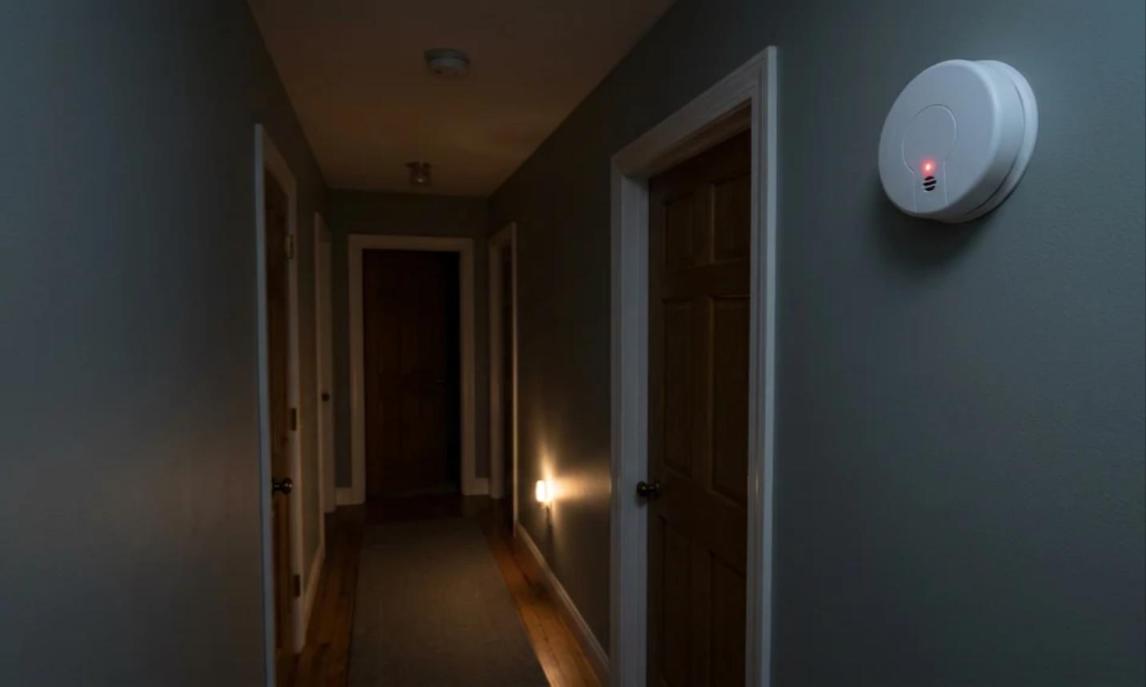

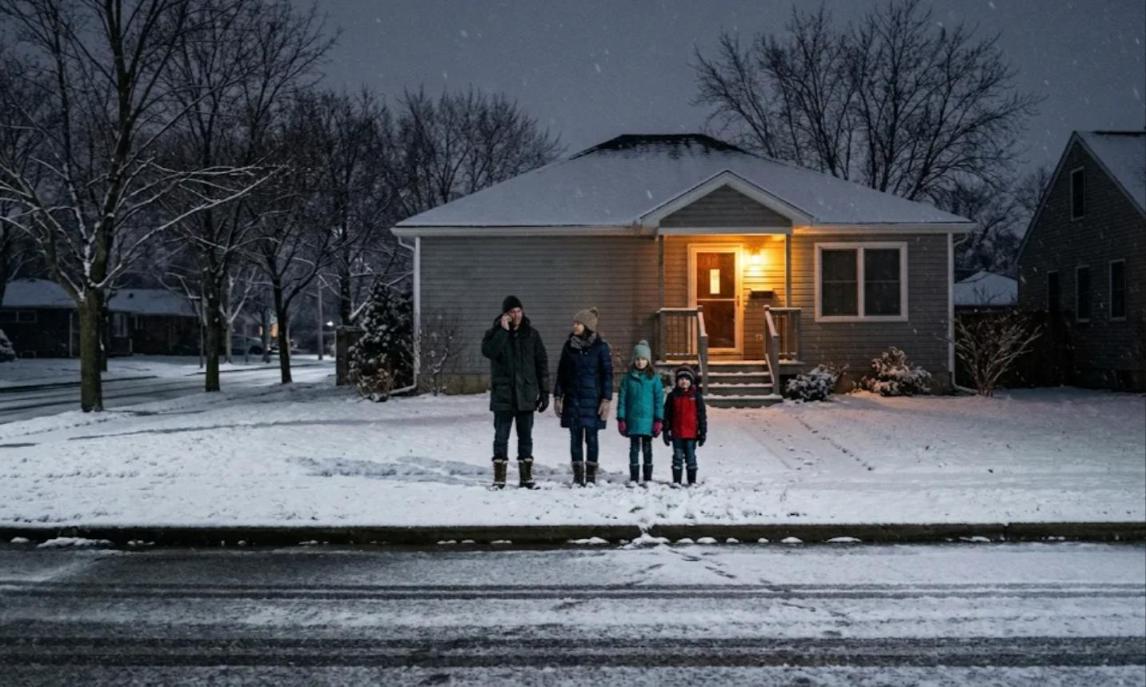
Loud, repeating alarm right now? Do not read on. Get everyone out of the home, including pets, and call 911 from outside. Stay out until emergency responders or a professional say it is safe.
The short answer: A carbon monoxide detector beeping in a loud, continuous pattern means it has sensed CO, so leave right away and call 911 from outside. A single chirp every 30 or 60 seconds usually means a low battery. Chirping that continues after a new battery usually means the alarm has reached the end of its life. Any other pattern may be a fault, so check your alarm's manual because patterns differ by brand.
It always seems to happen at night: a sharp chirp from the hallway, or a loud string of beeps that will not stop. A carbon monoxide detector beeping can mean "change my battery" or "get out now," and knowing which one matters.
This guide helps Ontario and GTA homeowners read each signal, act safely and stop carbon monoxide (CO) at the source. To have a licensed technician check your furnace, venting and fireplace, book a safety inspection online or call 310-HEAT any time.
Carbon Monoxide Detector Beeping: What Is It Telling You?
Ontario asks every household to know the difference between a CO alarm's low-battery warning, end-of-life warning and emergency alarm. Use this table to read a carbon monoxide detector beeping, then confirm in your manual.
| What you hear | What it is telling you | What to do | Urgency |
|---|---|---|---|
| Loud beeps in a continuous, repeating set (often four at a time) | CO has been detected | Get everyone out, then call 911 from outside | Emergency |
| A single chirp every 30 or 60 seconds | The battery is low | Replace the battery today, then test | Same day |
| Chirping that continues after a fresh battery | The alarm has reached the end of its life | Replace the whole alarm | Same day |
| Any other pattern or warning light | Possibly a fault or error | Check the manual; replace the alarm if it will not clear | Same day |
| Nothing when you press the test button | The alarm may not be working | Replace the battery or the alarm | Same day |
Patterns come from NFPA guidance shared by Windsor Fire & Rescue Services. Brands differ, so keep the manual handy. If you cannot tell what a sound means, get outside first.
Carbon Monoxide Detector Beeping Loudly? Treat It as Real
NFPA guidance, shared by Windsor Fire & Rescue Services, describes the CO emergency signal as a continuous set of four loud beeps. If you hear a carbon monoxide detector beeping loudly in a repeating pattern, do not stop to work out why. Ontario says it is critical to get everyone out immediately.
CO has no colour, smell or taste. Ontario lists headaches, nausea, dizziness, confusion and drowsiness among its effects, and exposure can cause loss of consciousness and death. Anyone with symptoms needs medical help. A rotten-egg smell is a different emergency: leave, then call Enbridge Gas at 1-866-763-5427 or 911 from outside.
The Low-Battery Chirp: Short, Single and Steady
The most common carbon monoxide detector beeping complaint is a short chirp every 30 or 60 seconds. The same NFPA guidance says that pattern means the battery is low and must be replaced, and Ontario's advice for a chirping alarm is to check whether the battery needs replacing.
- Find the right alarm. Stand under each unit until you hear the chirp.
- Use the battery type printed on the alarm or listed in the manual.
- Press the test button after the swap.
- Plug-in and hardwired alarms often have a backup battery that can chirp too. Any wiring work belongs to a licensed electrician.
Ontario recommends replacing batteries every year and testing every alarm monthly.
The End-of-Life Signal and How Long CO Alarms Last
CO sensors wear out. NFPA guidance notes that end-of-life sounds vary by manufacturer, and that chirping which continues after the battery has been replaced means the alarm is at the end of its life. Another new battery will not help; the whole unit needs replacing.
Typical lifespan
Barrie Fire and Emergency Service says CO alarms need to be replaced every 7 to 10 years, depending on the brand.
Check the date
Look on the back of the alarm for a manufacture or replace-by date. Barrie Fire advises replacing any alarm built before 2008.
Buy a certified unit
Health Canada says a Canadian certification mark, such as CSA 6.19, must appear on the alarm and its packaging.
Fault and Error Signals: When the Pattern Does Not Match
Some alarms also have a separate trouble or error signal. There is no single standard pattern, so check your alarm's manual because patterns differ by brand.
If you cannot match a carbon monoxide detector beeping pattern to the manual, follow three rules:
- When in doubt, get out. If the sound is loud or repeating, leave and call 911 from outside.
- Do not reset it over and over. A fault that returns after a battery change means the alarm cannot be trusted.
- Replace it with a new certified unit.
Why You Should Never Pull the Battery to Stop a Carbon Monoxide Detector Beeping
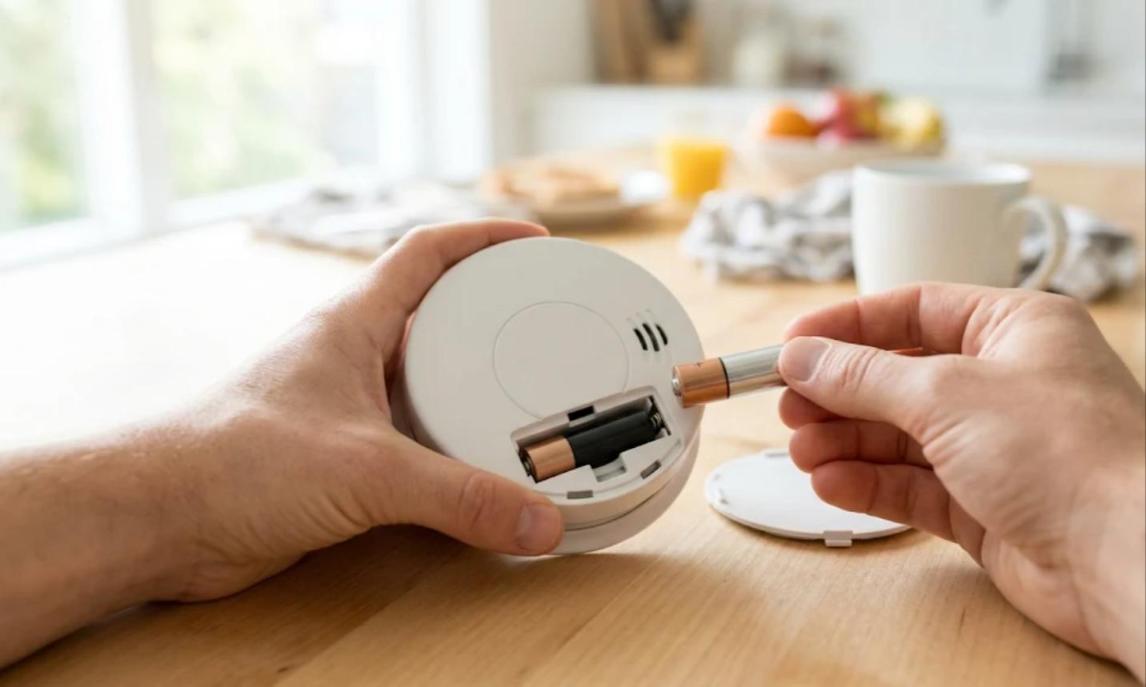
At 3 a.m., pulling the battery feels like the fastest way to silence a carbon monoxide detector beeping. It also leaves your family with no warning at all. In Ontario, it is against the law for anyone to remove the batteries from or tamper with a CO alarm. Our guide to the carbon monoxide alarm Ontario rules covers where alarms are required.
Ignoring a chirp is risky for the same reason: a low battery goes flat, and an expired sensor may not respond to CO at all. Keep a spare battery of the right type in a drawer.
Where Winter Carbon Monoxide Comes From
A carbon monoxide detector beeping in full alarm is more likely in the heating season, when fuel-burning appliances run for hours and windows stay shut. Barrie Fire lists improper furnace venting, cracked heat exchangers, a car running in an attached garage, fireplaces and chimneys blocked by snow and ice among the common causes.
| Source | What can go wrong | What helps |
|---|---|---|
| Gas furnace | Poor combustion, a cracked heat exchanger or venting problems | A yearly professional inspection; see our furnace heat exchanger guide |
| Blocked vents | Snow or ice covering intake and exhaust pipes | Health Canada advises checking vents during and after snowstorms; read about a furnace vent blocked by snow |
| Attached garage | Car exhaust seeps indoors | Never idle a vehicle in the garage, even with the door open |
| Fireplace | A blocked chimney or vent spills exhaust into the room | Yearly service; see whether a gas fireplace can be left on overnight |
| Power outages | Generators, barbecues or camp stoves used indoors | Never use them indoors or in a garage; see our furnace during a power outage guide |
Never open a furnace burner compartment or adjust gas parts yourself. After a CO alarm, the appliance should stay off until a licensed technician inspects it.
When to Book a Carbon Monoxide Safety Inspection
Ontario recommends having fuel-burning appliances cleaned and inspected by professionals every year before cold weather sets in. Book a visit sooner if any of these apply:
- A carbon monoxide detector beeping in full alarm sent you outside, even once, and responders have cleared the home.
- The furnace short-cycles or leaves soot near the vents.
- Headaches or drowsiness ease when you leave the house. Get medical advice, too.
- Your furnace, water heater or fireplace has not been serviced in over a year.
- Snow keeps burying your vents, or the pipes look cracked or loose.
A tune-up covers combustion, venting, the heat exchanger and the flue. If your furnace cycles oddly, read about common combustion problems with high-efficiency furnaces, and book gas fireplace checks through our fireplace services team. Our maintenance and protection plans include a yearly furnace tune-up with a combustion and venting safety check, plus priority booking during cold snaps.
Safety Help Across Markham, Richmond Hill and the GTA
Aire One has served GTA homes since 1990, with TSSA-registered technicians on call 24/7 and a 4.8-star Google rating from 541 reviews. A service call is $79, and if your furnace is near the end of its life, ask about our free Total Home Assessment and financing. Learn more about our HVAC company in Markham and our HVAC company in Richmond Hill, or protect your system year-round with a maintenance plan.
Carbon monoxide detector beeping again? Get your furnace and vents checked.
Our technicians answer 24/7 across Markham, Richmond Hill and York Region.
310-HEAT (310-4328) · 24/7 service · $79 service call*
Frequently Asked Questions
Why is my carbon monoxide detector beeping every 30 seconds?
A single chirp every 30 or 60 seconds usually means the battery is low. Replace it with the type listed on the alarm and press the test button. If the chirping continues with a fresh battery, the alarm has likely reached the end of its life and should be replaced.
Should I call 911 if my CO alarm is only chirping?
A slow, single chirp is a maintenance signal, not a CO alarm. But if the sound is loud and repeating, you are not sure what it means, or anyone feels unwell, get everyone outside and call 911 from there.
How long do carbon monoxide alarms last?
Barrie Fire and Emergency Service says CO alarms need to be replaced every 7 to 10 years, depending on the brand. Check the date on the back of each alarm and follow the manufacturer's instructions.
Can I take the battery out to stop the beeping?
No. In Ontario, it is against the law to remove the batteries from or tamper with a CO alarm, and it leaves your home without a warning. Replace the battery, or replace the alarm if it has expired.
Can my furnace set off a carbon monoxide alarm?
Yes. A cracked heat exchanger, poor combustion or a vent blocked by snow can let CO into the home and set a carbon monoxide detector beeping. Get out and call 911, then have a licensed technician inspect the furnace before it runs again.
Sources and Helpful Resources
- Government of Ontario: Carbon Monoxide Safety
- Windsor Fire & Rescue Services: Learn the Sounds of Fire Safety (NFPA Tip Sheet)
- Barrie Fire and Emergency Service: Carbon Monoxide
- Health Canada: Preventing Carbon Monoxide Exposure
This article is general safety information, not legal advice. Always follow your alarm manufacturer's instructions.
Matthew leads the Aire One Markham and Metro Toronto team, helping homeowners keep their heating safe through every Ontario winter. Aire One has been a TSSA-registered, Carrier Factory Authorized Dealer since 1990.