
Basement Apartment Heating
Shared furnace or separate system? The code basics, five heating options, and how to keep both units warm, quiet and safe.
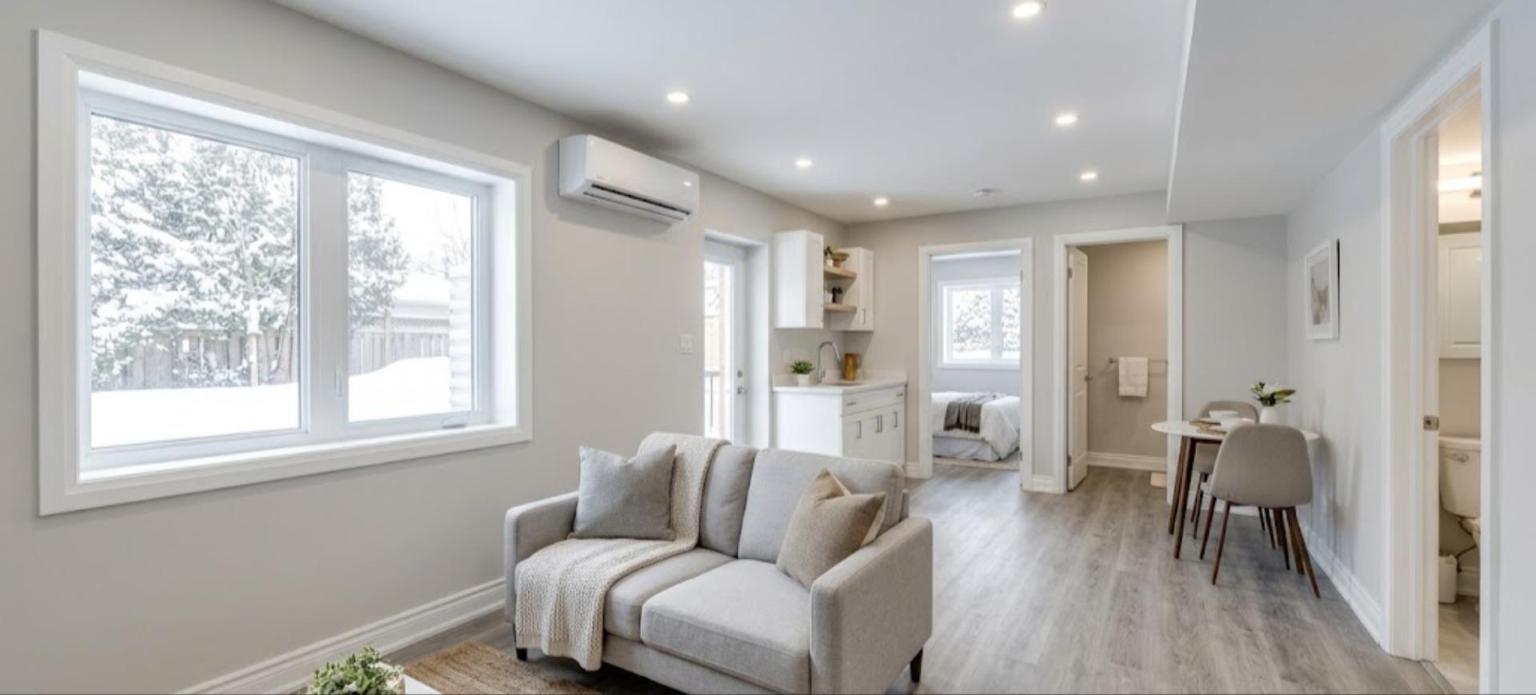

The short answer: Basement apartment heating in Ontario can come from the main furnace, a separate furnace or air handler, a ductless heat pump, in-floor radiant heat or electric baseboards. If the house is five or more years old, the existing furnace can usually serve the new unit when a duct-type smoke detector shuts it down in a fire. Newer houses generally need a separate system. Either way, get a building permit, interconnected smoke alarms and carbon monoxide alarms on every storey, and confirm the details with your municipality.
More York Region homeowners are adding legal second units to help with mortgages, house family members or earn rental income. The kitchen and bathroom get most of the attention, but basement apartment heating is often the part that decides whether tenants stay happy and whether the unit passes inspection. Basements are below grade, floors stay cold, and a shared furnace can carry noise, cooking smells and even smoke from one unit to the other.
This guide covers what the Ontario Building Code says about heating a secondary suite, five practical heating options with pros and cons, the comfort problems tenants notice first, and a planning checklist. When you are ready to size the system, book a free Total Home Assessment.
Key takeaways
- A shared furnace is allowed in many older houses only with a duct-type smoke detector that shuts it off in a fire.
- Houses under five years old generally need a separate heating system for the second unit.
- Ductless heat pumps give the suite its own thermostat, heating and cooling without new ductwork.
- Cold floors, noise and odour transfer are the top tenant complaints, and all three can be designed out.
- Every project needs a permit, a proper heat-loss calculation and the right smoke and CO alarms.
Why Basement Apartment Heating Needs Its Own Plan
A basement that felt fine as a rec room can feel very different once someone lives there full time. A few things make basement apartment heating harder than heating the rest of the house:
- Cold floors and walls. Concrete slabs and foundation walls stay cool all winter, so the air can read 21°C while the room still feels chilly.
- Low supply, high return. Many furnaces were set up to push most of their air upstairs, with only a few basement registers.
- One thermostat, two households. When the thermostat is upstairs, the people downstairs have no control over their own comfort.
- Shared air. With shared ducts, cooking smells, cigarette smoke, noise and, in a fire, smoke can travel between units.
Planning basement apartment heating around these from the start costs far less than fixing problems after the tenant moves in.
What the Ontario Building Code Says About Basement Apartment Heating
Municipal building departments apply the Ontario Building Code to second units, and their published guides summarize the heating rules clearly. In general terms:
- Houses under five years old: the second unit generally needs its own heating and ventilation system, and return air from one unit must not be recirculated to the other.
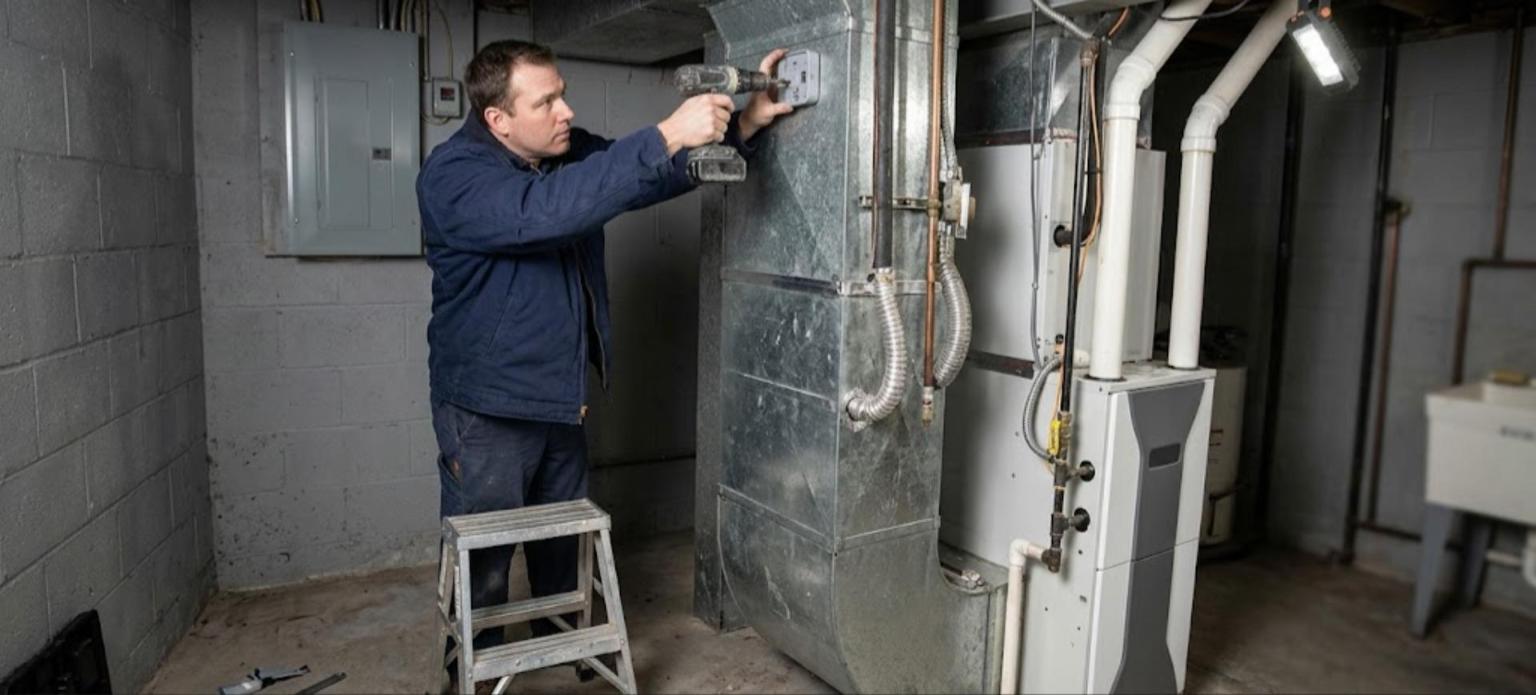
- Houses five years or older: the existing furnace and ducts can usually serve the second unit if a duct-type smoke detector is installed that shuts off fuel and power to the furnace when it detects smoke.
- Smoke alarms: required on every storey and in sleeping rooms, and interconnected so one alarm sounds them all.
- Carbon monoxide alarms: required near sleeping areas where there is a fuel-burning appliance. As of January 1, 2026, Ontario also requires CO alarms on every storey of homes with a fuel-burning appliance, fireplace or attached garage.
- Fire separation between the units, typically using Type X drywall or an equivalent rated assembly.
- Permits: a building permit for the unit and an electrical permit for new wiring.
Rules and local bylaws change, and every house is different, so confirm the requirements with your municipality's building department before you start. A licensed HVAC contractor can then design the basement apartment heating to match the approved plan.
5 Basement Apartment Heating Options Compared
The right basement apartment heating choice depends on the age of the house, the size of the unit, your budget and how independent you want the two households to be.
| Option | Best for | Pros | Watch out for |
|---|---|---|---|
| Shared furnace with duct smoke detector and zoning | Older houses with good ductwork | Lowest upfront change, uses existing equipment | Shared air, noise and odour; one furnace must be sized for both units |
| Separate furnace or air handler | Larger suites, newer houses | Full independence, separate thermostat and air | Space for equipment, venting and ductwork |
| Ductless mini-split heat pump | Most basement suites | Heats and cools, own controls, no new ducts, quiet | Wall space for heads, outdoor unit location |
| In-floor radiant heat | Full renovations with new floors | Warm floors, silent, even heat | Needs floor work and a heat source; no cooling |
| Electric baseboards | Small units, backup heat | Simple, room-by-room control | Higher running cost, no cooling, dry air |
For many homes, the best answer is a combination: keep the main furnace for the upper unit and give the basement its own ductless heat pump. Our guide to how ductless split systems work explains the setup, and our article on HVAC zoning covers the shared-furnace route.
Comfort Problems Tenants Notice First
Most complaints about basement apartment heating fall into four groups, and each has a practical fix:
- "My floor is freezing." Add supply registers low on exterior walls, insulate the rim joists, use a ductless head, or put radiant heat under new flooring in the main living area.
- "I can't control the temperature." Give the unit its own thermostat through zoning, a separate system or a ductless unit with its own controls.
- "I can smell their cooking" or "I can hear everything." Separate systems, sealed return ducts, acoustic duct lining and solid fire separation all reduce transfer.
- "Bedrooms upstairs got colder after the renovation." Rebalance the ductwork. If the old furnace is now undersized for both units, a heat-loss calculation will show it. See our guide to proper HVAC sizing and why one room can run colder than the rest.
Ventilation and Humidity Below Grade
Good basement apartment heating is only half the job. Below-grade units also need fresh air and moisture control, or they feel stuffy in winter and damp in summer:
- Bathroom and kitchen exhaust fans vented outdoors are required and make a big difference to condensation and odours.
- An HRV brings in fresh air while recovering most of the heat. Read whether a heat recovery ventilator is worth getting.
- A dehumidifier keeps summer humidity in check. Here are the signs your home needs a dehumidifier.
A Planning Checklist for Basement Apartment Heating
- Confirm the rules. Check zoning and second-unit requirements with your municipality and apply for the building permit.
- Get a heat-loss calculation for both units, so equipment is sized for the whole house, not guessed.
- Choose shared or separate based on the age of the house, budget and how independent each unit should be.
- Plan safety devices: duct-type smoke detector for a shared furnace, interconnected smoke alarms and CO alarms on every storey.
- Give each household control with its own thermostat or zone.
- Add ventilation and moisture control before drywall goes up.
- Book yearly maintenance, since one system may now carry two households. Our maintenance and protection plans keep it on schedule.
Why Homeowners Call Aire One for Basement Apartment Heating
Aire One has designed and installed heating systems in York Region homes since 1990, with more than 120,000 installations and a 4.8-star Google rating from 541 reviews. Our technicians handle furnaces, zoning, ductless heat pumps and ventilation, and we coordinate with your contractor so the heating matches the approved permit drawings. Talk to our Richmond Hill HVAC team or our Markham HVAC team about your plans.
Planning a basement unit?
Get a heat-loss calculation and a heating plan that keeps both households comfortable. TSSA-registered since 1990.
310-HEAT (310-4328) · Free Total Home Assessment · Financing available
Frequently Asked Questions
Can a basement apartment share the main furnace?
In many Ontario houses that are five years old or more, yes. The existing furnace can usually serve the second unit if a duct-type smoke detector is installed that shuts off fuel and power to the furnace when it detects smoke. Newer houses generally need a separate system. Confirm the rules with your municipality before you start.
What is the best heating for a basement apartment?
For many homes, a ductless mini-split heat pump is the best fit. It gives the unit its own thermostat, provides heating and cooling, and avoids new ductwork. Larger suites or newer houses may need a separate furnace or air handler instead.
Do I need a permit to change the heating for a second unit?
Yes. Creating a second unit requires a building permit, and new wiring needs an electrical permit. Gas work must be done by a TSSA-registered contractor. Your municipality's building department can confirm what applies to your house.
Where do carbon monoxide alarms go in a house with a basement unit?
CO alarms are required near sleeping areas where there is a fuel-burning appliance. As of January 1, 2026, Ontario also requires CO alarms on every storey of homes with a fuel-burning appliance, fireplace or attached garage, including the basement unit.
Why is my basement apartment always cold?
Common causes are too few supply registers, cold concrete floors and walls, uninsulated rim joists, and a thermostat located upstairs. An airflow check and heat-loss calculation usually show the fix, such as rebalancing, zoning or adding a ductless unit.
Sources and Helpful Resources
- Government of Ontario: Add a Second Unit in Your House
- City of Oshawa: Ontario Building Code Guide to Basement Secondary Suites
- Government of Ontario: Carbon Monoxide Alarm Requirements for Homes
- Save on Energy: Home Renovation Savings Program
Matthew leads the Aire One Markham and Metro Toronto team, helping York Region homeowners plan safe, comfortable heating for second units and growing households. Aire One has been a TSSA-registered, Carrier Factory Authorized Dealer since 1990.