
How Long Does a Boiler Last?
What public sources say about boiler life, how each boiler type ages, and how to plan a replacement on your schedule.

The short answer: How long does a boiler last? The U.S. Department of Energy lists a life expectancy of 15 to 30 years for boilers, and ENERGY STAR names a furnace or boiler more than 15 years old as a sign to start considering replacement. Where yours lands depends on boiler type, water quality, sizing and, above all, yearly service by a licensed technician.
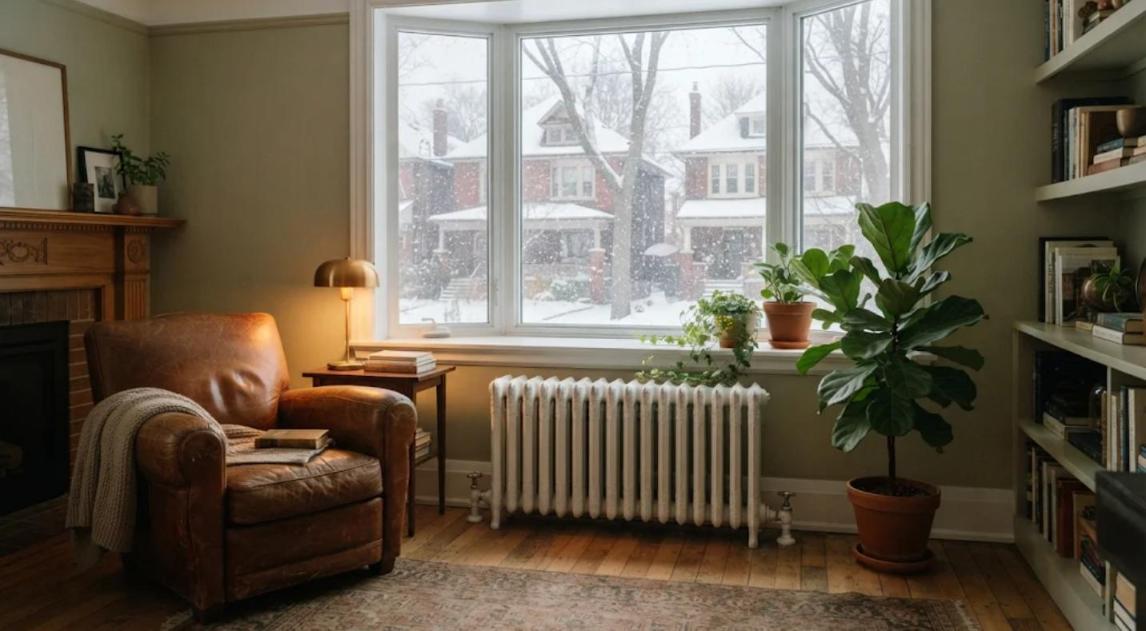
Radiators and in-floor loops deliver quiet, even warmth, and many older GTA homes still run on a boiler that has outlived two furnaces next door. So when a homeowner asks, "How long does a boiler last?" the honest reply is a range, and your own system decides where it falls.
Below are the published numbers, how each type ages and how to choose between repair and replacement. If your boiler is acting up today, book a boiler visit online or call 310-HEAT any time.
How Long Does a Boiler Last? The Answer From Public Sources
Two public sources give numbers, and a third explains why care matters.
U.S. Department of Energy
Its home heating guide gives boilers a life expectancy of 15 to 30 years and lists boiler efficiency at 50 to 90%, depending on the system's age.
ENERGY STAR
Lists "your furnace or boiler is more than 15 years old" among the signs that it is time to consider replacement.
Natural Resources Canada (NRCan)
Its Heating With Gas guide gives no lifespan figure but stresses maintenance by a qualified and licensed contractor.
So how long does a boiler last in practice? Fifteen years is where planning should start, and 30 is the outer edge that only well-serviced systems reach. The DOE puts it plainly: "Periodic maintenance can extend the life of your heating system and minimize efficiency loss."
Cast-Iron, Condensing and Combi: How Each Boiler Type Ages
No public source answers "how long does a boiler last" for each type separately, so the range above applies to all three. What differs is how each one wears.
Cast-iron (conventional) boilers
Built like: heavy cast-iron sections holding a lot of water, often paired with classic radiators.
Wears out through: scale, corrosion and cracked sections. NRCan notes that some boilers can suffer thermal shock or corrosion when return water is cooler than their design temperature.
Condensing (high-efficiency) boilers
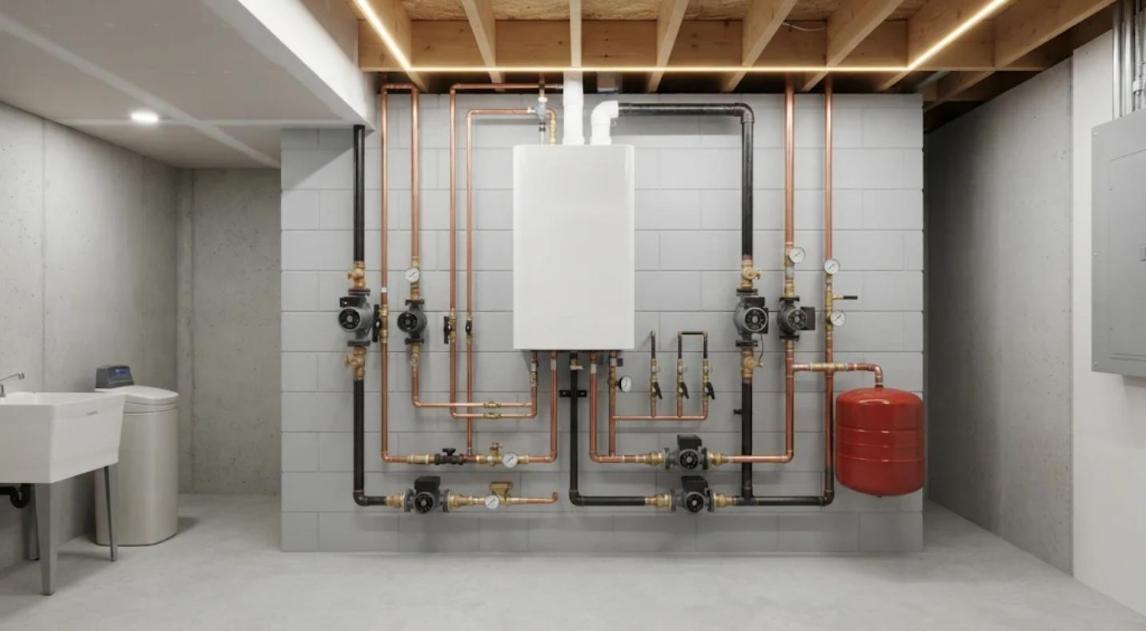
Built like: a compact unit with a corrosion-resistant heat exchanger, usually stainless steel, that captures extra heat from exhaust. NRCan says it can reach an AFUE rating of 90% or higher.
Wears out through: untreated system water, a blocked condensate drain and short cycling when oversized.
Combi boilers
Built like: a condensing boiler that also heats tap water on demand, so one appliance does two jobs.
Wears out through: extra running hours, since it fires for showers all year, plus scale where water is hard. Our comparison of a boiler vs a tankless water heater covers the trade-offs.
Four Things That Wear a Boiler Out Early
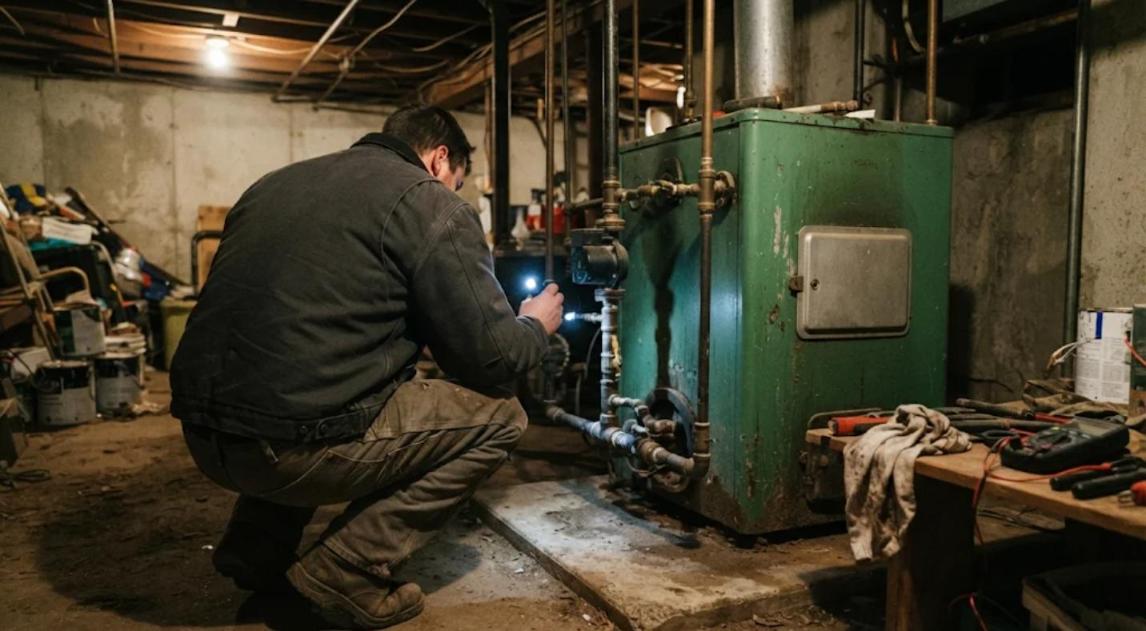
How long does a boiler last when these problems go unchecked? Often well short of the published range.
Pressure that keeps drifting. A boiler that keeps losing pressure is usually losing water, and each top-up adds oxygen and minerals. Pressure that climbs too high makes the relief valve open. Both deserve a service call; see our guide to boiler pressure that is too high.
Skipping the annual service. Burners, safety controls, venting and the condensate drain need a yearly look. Our guide on how to maintain your boiler explains a good routine, and our boiler repair and maintenance team handles the technician side.
Poor water quality. Sludge, rust and scale build up when system water is untreated or keeps being replaced. That debris slows heat transfer and makes the boiler work harder. If a few rooms stay cold, see why a radiator is not heating.
Short cycling and oversizing. An oversized boiler heats quickly, shuts off and restarts over and over. The DOE warns that a system too big for your home costs more to operate, and every extra start adds wear.
A Homeowner-Safe Boiler Age Check
Look, but do not touch the boiler. Never open panels, the burner compartment or any valve.
- Find the install date. Check purchase papers, service invoices or an installer's sticker. A technician can also read the build date from the serial number.
- Read the pressure gauge. Note the reading cold and while running, and compare it with what your technician recorded. Do not drain or adjust anything.
- Look for water. Drips, white crust or rust streaks point to a leak.
- Test your CO alarms. Ontario requires them next to sleeping areas in homes with fuel-burning appliances and, since January 1, 2026, on every storey. See our guide to carbon monoxide alarm rules in Ontario.
Safety first: If you smell rotten eggs or gas, do not use switches, phones or flames inside. Leave the home with everyone and call Enbridge Gas at 1-866-763-5427 or 911 from outside. If a CO alarm sounds, get everyone out and call 911 from outside.
Warning Signs of an Aging Boiler
ENERGY STAR flags frequent repairs, rising bills and a noisy system as signs of wear. Here is how they show up on a boiler:
| What you notice | What it may mean | Next step |
|---|---|---|
| Over 15 years old with rising gas bills | Efficiency has slipped | Book an inspection and start planning |
| New kettling or banging | Scale or overheating | Book a visit soon |
| Water or rust under the boiler | A leak in the boiler or its fittings | Call promptly |
| Soot or scorch marks near the boiler | Poor combustion or venting | Call today and keep CO alarms working |
| Gas smell or a CO alarm | Possible gas leak or carbon monoxide | Leave the home and call from outside |
For a fuller list of faults and their causes, read our guide to common boiler problems.
How Long Does a Boiler Last Before Repair Stops Making Sense?
A 12-year-old boiler with a failed pump is a different decision from a 24-year-old boiler with a leaking heat exchanger.
Leans toward repair
- Under 15 years old
- One part failed, such as a pump, valve or igniter
- The heat exchanger is sound and dry
- Bills and comfort have been steady
Leans toward replacement
- Over 15 years old and needing frequent repairs
- A cracked, leaking or corroded heat exchanger
- A safety concern the technician cannot fix
- Parts that are discontinued
- Rising bills or uneven heat across the home
Ask for a written note on the heat exchanger and venting before you decide. Our HVAC servicing and repairs team starts with a $79 service call, and our free Total Home Assessment lays out replacement options and financing if needed. The same thinking applies to forced air, as our guide on how long a furnace lasts explains.
How long does a boiler last after a major repair? No source publishes a figure, so let the heat exchanger's condition guide you.
Planning the Next System Before the Old One Quits
Replacing a boiler in January, with the house cooling, narrows your choices. Knowing the answer to "how long does a boiler last" lets you plan a year or two ahead.
- Size it properly. NRCan recommends a heat loss calculation based on CSA standard F280, not floor area or the old unit's size.
- Check your radiators. NRCan explains that condensing boilers need return water preferably not exceeding 45 to 50°C. Older systems built for hotter water may not condense, leaving efficiency near non-condensing levels of 82 to 89% AFUE.
- Decide whether to stay with hot water. Compare another boiler, a combi or a different system. Our guides on boiler vs furnace and radiant floor heating can help.
- Look at rebates. Programs change, so check our Ontario rebates guide and confirm details on saveonenergy.ca.
- Hire a TSSA-registered contractor. TSSA states that "Registered Fuels Contractors are the only businesses that are legally authorized to do fuels related work in Ontario." You can verify a company on its website.
Our boiler service page lists the boilers we install, and our repair technicians can assess yours first.
Boiler Service Across Markham, Richmond Hill and the GTA
Aire One has kept Ontario homes warm since 1990, with 24/7 technicians and a 4.8-star Google rating from 541 reviews. Still asking "how long does a boiler last" about your own system? An inspection beats a calendar. Members of our maintenance and protection plans get a yearly tune-up and priority booking. Learn more about our HVAC company in Markham or our HVAC company in Richmond Hill.
How long does a boiler last in your home? Let us take a look.
Book a boiler inspection or a free Total Home Assessment across Markham, Richmond Hill and York Region.
310-HEAT (310-4328) · 24/7 service · $79 service call*
Frequently Asked Questions
How long does a boiler last in Ontario?
The U.S. Department of Energy gives boilers a life expectancy of 15 to 30 years, and ENERGY STAR treats more than 15 years as a sign to consider replacement. Long Ontario winters add running hours, so yearly service matters.
Is a 20-year-old boiler too old to keep?
Not automatically. A 20-year-old boiler with a sound, dry heat exchanger can keep going, but it is past the 15-year point ENERGY STAR flags. Have it inspected yearly and plan the replacement before it fails in winter.
Do condensing boilers last as long as cast-iron boilers?
Public sources do not publish separate lifespans by boiler type. Cast-iron boilers are heavy and simple, while condensing boilers depend more on clean system water and a clear condensate drain. Yearly service gives either type its best chance.
How often should a boiler be serviced?
Once a year, ideally before the heating season. Natural Resources Canada advises maintenance by a qualified and licensed contractor, and in Ontario, gas work must be done by a TSSA-registered contractor.
Can I repair my own gas boiler to make it last longer?
No. Homeowners can keep the area clear, read the pressure gauge, watch for leaks and test CO alarms. Burners, gas valves, venting, wiring and relief valves are for a TSSA-registered technician. If you smell gas, leave and call Enbridge Gas at 1-866-763-5427 or 911 from outside.
Sources and Helpful Resources
- U.S. Department of Energy: Energy Saver 101 Home Heating Guide (PDF)
- ENERGY STAR: When Is It Time to Replace?
- Natural Resources Canada: Heating With Gas (PDF)
- TSSA: Authorized Heating Fuel Contractors
This article is general information. Published answers to "how long does a boiler last" are ranges, not a guarantee for any one boiler. For more upkeep advice, see our boiler repairs, maintenance and replacement tips.
Matthew leads the Aire One Markham and Metro Toronto team, helping homeowners keep their heating safe through every Ontario winter. Aire One has been a TSSA-registered, Carrier Factory Authorized Dealer since 1990.