
Radiator Not Heating? Read the Cold Spot
Where a radiator stays cold tells you a lot. Here is how to read it, what to check safely and when to call.
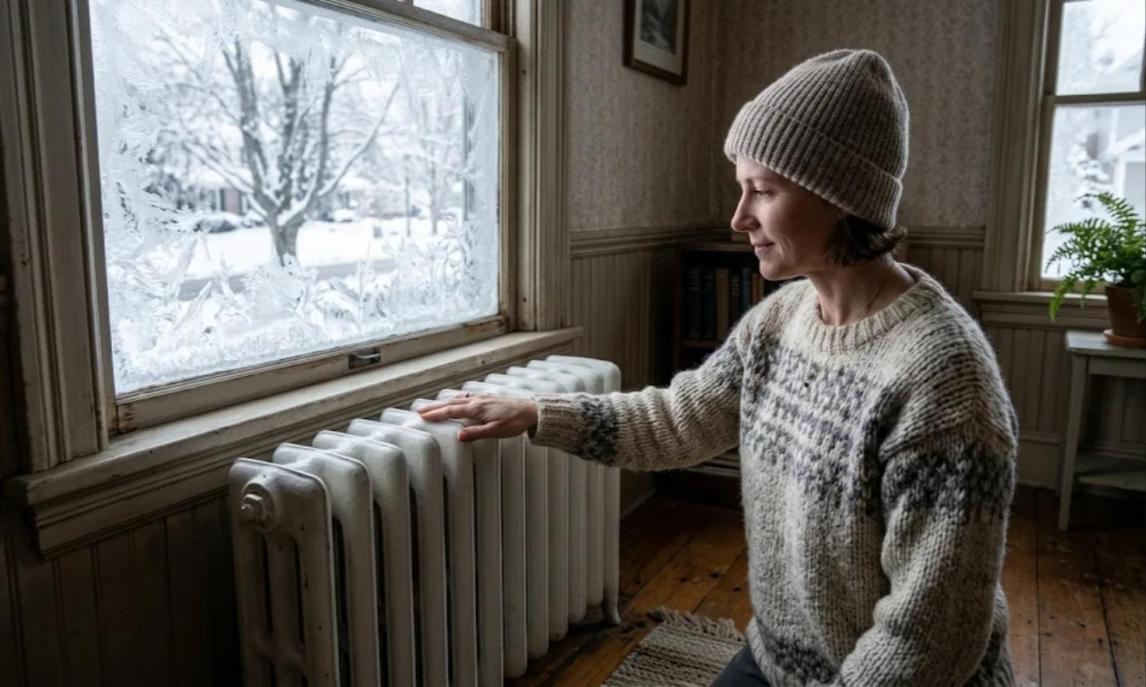

The short answer: A radiator not heating usually points to trapped air (cold at the top), sludge (cold at the bottom), a closed or stuck valve, or, when every radiator is cold, a system problem such as low pressure or a failed circulator pump. Check the thermostat, open the radiator valve fully, clear anything blocking the radiator and look at the boiler gauge. Never add water or adjust boiler valves yourself; call a technician.
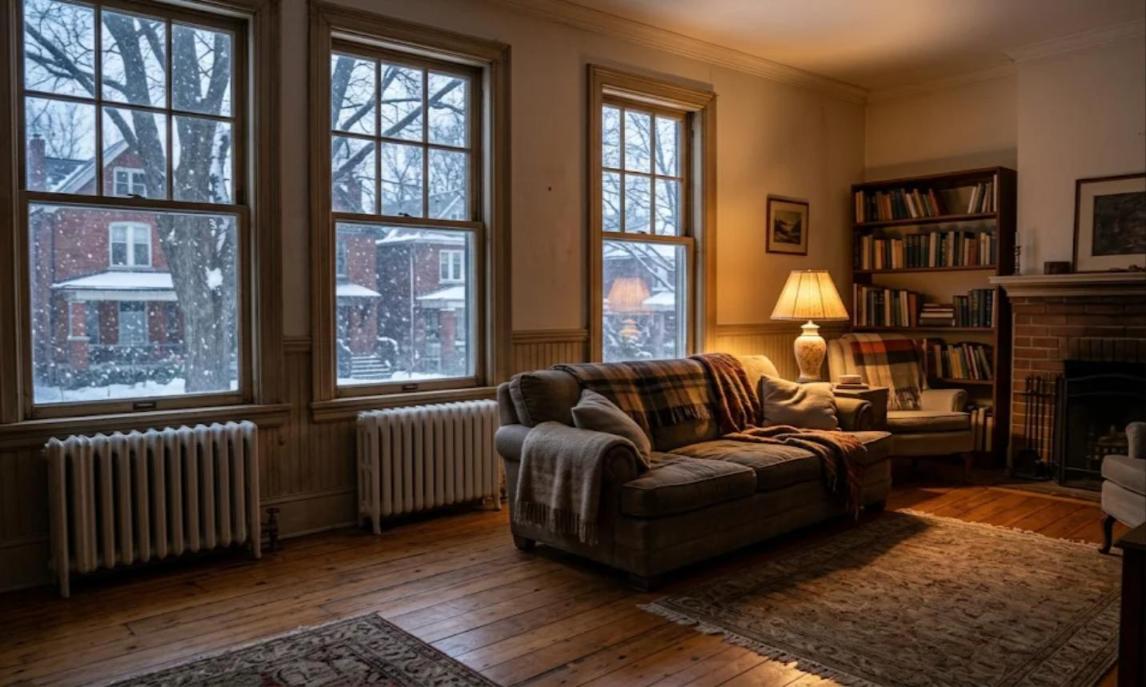
Hot water radiators are still common in older GTA homes, from century houses in Toronto to older neighbourhoods in Markham and Richmond Hill. A radiator not heating on the first cold night is frustrating, but the radiator is usually telling you what is wrong. The trick is knowing where to put your hand.
This guide covers seven common causes in hot water systems, with a short note on steam, plus the few checks that are safe for a homeowner. Treat it as general guidance, not a diagnosis.
The cold spot map
After 20 minutes of heating, carefully feel the radiator. Blue shows the cold area.
Cold at the bottom
Sludge settling in the radiator. Needs a professional cleaning.
One radiator fully cold
A closed or stuck valve, a stuck thermostatic valve or poor balancing.
Every radiator cold
Boiler, pressure or circulator pump. Check the thermostat and gauge, then call.
First, Is It Hot Water or Steam?
Cast-iron radiators look alike, but the two systems behave differently:
Hot water (most common)
- Usually two pipes, one at each end or both at the bottom
- A small bleed valve near the top of one end
- A round pressure and temperature gauge on the boiler
Steam (less common)
- Often one larger pipe and valve at the bottom
- A small air vent sticking out of one side
- A glass water level gauge on the boiler
Have steam? Read the steam note below.
One Radiator Not Heating, or Every Radiator Cold?
One radiator not heating while the rest are warm points to a problem at that radiator. Every radiator cold points to the boiler or the system that moves the water.
| What you find | Likely causes |
|---|---|
| One radiator cold, others fine | Trapped air, sludge, a closed or stuck valve or a stuck thermostatic valve |
| Upstairs cold, downstairs warm | Low system pressure or air collecting at high points |
| Rooms near the boiler hot, far rooms cool | The system needs balancing |
| Every radiator cold | The thermostat, a boiler that is not firing, low pressure or a failed circulator pump |
Either way, check the thermostat first. It should be set to heat, a few degrees above room temperature, with fresh batteries. A blank screen is covered in our guide on a thermostat not working. If one room is cold but its radiator feels fine, see why one room is so cold or hot.
Radiator Not Heating at the Top vs at the Bottom
Cold at the top, warm at the bottom. Air rises and collects at the top, stopping hot water from filling the radiator. You may hear gurgling. A radiator not heating at the top is the classic case for bleeding, covered below.
Warm at the top, cold at the bottom. Older systems build up sludge, a dark mix of rust and debris that settles at the bottom and blocks the flow. Bleeding will not fix it. A technician can flush the system and may suggest a filter to catch new debris.
Closed or Stuck Valves and Thermostatic Radiator Valves
Most hot water radiators have two valves, one at each end:
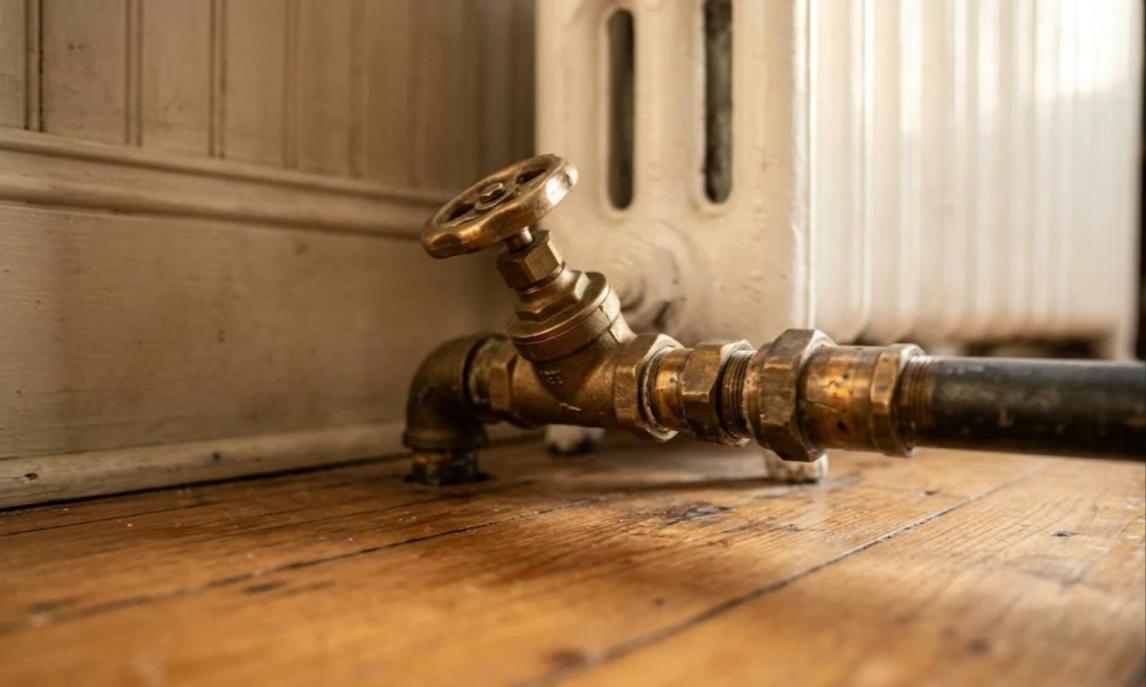
- The hand valve has a knob you can turn. It may have been closed for painting or to cool a bedroom. Turn it counterclockwise until it stops. If it will not move, do not force it; old valves can snap or leak.
- The lockshield valve usually sits under a plain cap. It is set when the system is balanced, so leave it alone.
- A thermostatic radiator valve (TRV) has a numbered head that holds a set room temperature. Turn it to the highest setting. Its pin can stick closed after a summer of sitting still, and curtains or furniture over the head can make it read the room as warmer than it is.
If the valve is open, the TRV is on high, nothing blocks the radiator and you still have a radiator not heating, a repair technician can free or replace the stuck valve.
Every Radiator Not Heating: Low Pressure or the Circulator Pump
When the whole house is cold, check the thermostat, then look at the boiler without opening the cabinet or touching the controls.
- Low system pressure. The system needs enough pressure to push water to the top floor, so upstairs radiators usually go cold first. Compare the gauge with where it normally sits. Pressure can fall from a small leak, a dripping relief valve, a worn expansion tank or bleeding radiators. Note any drips, then call.
- Circulator pump problems. The circulator pump moves hot water to the radiators. If it fails, the boiler can be hot while every radiator stays cold. Watch for pipes that are hot near the boiler but cool a few metres away, or a pump that hums without moving water. Pumps sometimes seize after an idle summer.
- A boiler that is not firing. A flashing code or lockout needs a technician. See our guide to common boiler problems.
Our HVAC servicing and repairs team handles every radiator not heating call, from circulators and expansion tanks to zone valves.
Bleeding a Hot Water Radiator Safely
Natural Resources Canada suggests bleeding hot water radiators once or twice a year so they fill fully with water, and federal guidance notes that hydronic systems work best when radiators are free of air and at the correct pressure. Systems with automatic air vents may need it less often. If you are unsure, or the valve looks corroded, have a technician do it.
- Turn the heat off and let it cool. Set the thermostat to off and wait until the radiators are cool. Hot water can scald.
- Get ready. Have a radiator key, a cloth and a small cup.
- Open the bleed valve slowly. Hold the cloth under it and turn the key about a quarter turn counterclockwise. Air should hiss out.
- Close it when water appears. Once a steady trickle replaces the air, close the valve snugly. Never remove it.
- Turn the heat back on and look at the gauge. If the pressure is below its usual reading, do not top it up yourself. Call a technician.
A radiator not heating again within weeks means air is getting in somewhere, which is worth a service visit.
Balancing: When Radiators Heat Unevenly
Hot water takes the easiest path. In an unbalanced system, radiators near the boiler run hot while the ones at the end of the run stay lukewarm. Federal guidance notes that adjusting valves in a hot water system may help rebalance it. A technician sets the lockshield valves one at a time while checking temperatures, and a wrong turn can make things worse, so leave it to a pro.
Balancing also helps after radiators are replaced, moved or added. Weighing bigger changes? Our comparison of a boiler vs a furnace covers the trade-offs.
What to leave alone
- Do not add water, open the fill valve or adjust the pressure-reducing valve.
- Never cap or plug the relief valve, even if it drips.
- Do not force a seized valve or open the boiler cabinet.
- If you smell rotten eggs near a gas boiler, leave the home, then call Enbridge Gas at 1-866-763-5427 or 911 from outside.
- If a carbon monoxide alarm sounds, get everyone out and call 911 from outside.
A note on steam: steam radiators are not bled like hot water radiators. Each has an air vent that lets air out as steam arrives, and a vent stuck shut can leave a steam radiator not heating. Steam is far hotter, so leave vents, valves and the boiler to a technician.
A gas or oil boiler is a fuel-burning appliance, so Ontario requires carbon monoxide alarms next to sleeping areas and, since January 1, 2026, on every storey; see our guide to carbon monoxide alarms in Ontario. The province also recommends yearly professional inspection of fuel-burning appliances, and our checklist on how to maintain your boiler shows what that visit covers.
Radiator Not Heating? Help Across Markham and Richmond Hill
Aire One has kept Ontario homes warm since 1990, with technicians on call 24/7 across Markham, Richmond Hill and York Region and a 4.8-star Google rating from 541 reviews. For a radiator not heating, we check the radiator, valves, pressure and circulator in one visit, and our maintenance and protection plans include a yearly boiler tune-up with priority booking in a cold snap. Learn more about our HVAC company in Richmond Hill or our HVAC company in Markham.
Radiator not heating after the safe checks?
Our technicians service hot water and steam systems across Markham, Richmond Hill and York Region, 24/7.
310-HEAT (310-4328) · 24/7 service · $79 service call*
Frequently Asked Questions
Why is my radiator not heating when the boiler is on?
If other radiators are warm, the usual causes are trapped air, a closed or stuck valve or sludge. If every radiator is cold while the boiler runs, suspect the circulator pump or low pressure and call a technician.
Why is my radiator hot at the bottom but cold at the top?
That pattern usually means air is trapped at the top. Bleeding it with the heat off and the radiator cool often fixes it. If it keeps coming back, have a technician find where air gets in.
How often should I bleed my radiators?
Natural Resources Canada suggests once or twice a year. Systems with automatic air vents may need it less. If you are unsure how, a technician can do it during a tune-up.
Should I add water to my boiler if the pressure is low?
No. Low pressure usually has a cause, such as a leak, and adding water the wrong way can overpressurize the system. Note the gauge reading and call a technician.
Why are my upstairs radiators cold but downstairs ones are hot?
It is usually low system pressure, air collecting in the highest radiators or a system that needs balancing. Check the gauge and valves, then book a visit.
Sources and Helpful Resources
- Natural Resources Canada: Residential Boilers
- Government of Canada: Keeping the Heat In
- Government of Ontario: Carbon Monoxide Safety
- Enbridge Gas: What to Do If You Smell Gas
This article is general information for Ontario homeowners. Systems vary, so have a licensed technician diagnose any radiator that stays cold.
Matthew leads the Aire One Markham and Metro Toronto team, helping homeowners keep boilers, radiators and furnaces safe and reliable through every Ontario winter. Aire One has been a TSSA-registered, Carrier Factory Authorized Dealer since 1990.