


HRV Settings in Winter
How to set your heat recovery ventilator for fresh air without foggy windows or bone-dry rooms.

The short answer: The best HRV settings in winter are simple. Run the unit on continuous low speed, switch to high or boost when you shower or cook, and use the dehumidistat to keep indoor humidity between 30% and 50%. If windows fog up, ventilate a little more. If the air feels dry, ventilate a little less. Let defrost run on its own and keep the outdoor hoods clear of snow.
A heat recovery ventilator (HRV) swaps stale indoor air for fresh outdoor air while holding on to much of the heat. In a tightly built Ontario home, it keeps moisture and stuffy air in check, but the wall control rarely explains itself, and good HRV settings in winter differ from the ones that work in July.
New to the equipment? Start with our explainer on what a heat recovery ventilator is. If your HRV needs attention now, you can book a service visit online.
Your HRV settings in winter at a glance
What the Buttons on Your HRV Control Mean
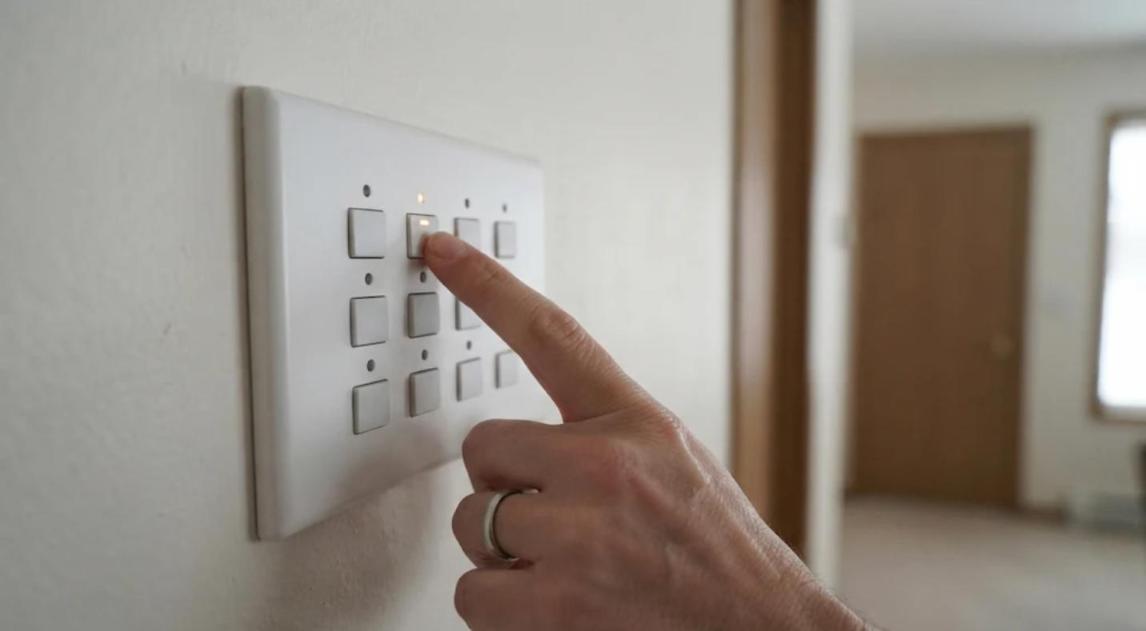
Natural Resources Canada (NRCan) notes that the main HRV control usually sits next to the thermostat, sometimes with extra timers in bathrooms or the kitchen. Names vary by brand, so check your owner's manual, but most controls offer these HRV settings in winter and year-round:
| Setting | What it does | Winter use |
|---|---|---|
| Low or continuous | Steady, gentle air exchange around the clock | Most of the time |
| High | Runs both fans at full speed | Showers, cooking, guests |
| Timer or boost | High speed for a set time | Bathroom and kitchen use |
| Intermittent | Low speed in timed intervals | Dry spells or an empty house |
| Dehumidistat | Switches to high when humidity hits your setting | Fine-tune by your windows |
| Off | Stops all ventilation | Servicing only |
The Best HRV Settings in Winter for Everyday Living
NRCan's homeowner guide says the best strategy is to operate your HRV continuously year-round, and its ENERGY STAR page says never to turn the unit off other than for servicing. That steady flow clears moisture before it settles on cold glass.
NRCan suggests a low-speed rate of 40 to 60 percent of the high-speed rate, set by your installer during balancing. You do not need to change it. What you control is when the unit steps up to high.
If the unit must go off for a repair, NRCan advises other ventilation, such as opening windows. Our guide on how to fix a drafty house explains why air sealing and ventilation belong together. Going away? NRCan notes intermittent mode can suit homes left empty for long periods; pair it with the right thermostat setting when away in winter.
Setting the Dehumidistat: Let Your Windows Guide You
The dehumidistat switches your HRV to high speed once indoor humidity reaches a level you choose. NRCan recommends adjusting it for the heating season to help minimize condensation on windows, while warning that air that is too dry causes static electricity and scratchy throats. Of all your HRV settings in winter, this dial matters most.
Health Canada recommends keeping relative humidity between 30% and 50%. An inexpensive digital hygrometer shows where your home sits. Then make small changes:
| What you notice | Setting change to try |
|---|---|
| Fog on windows most mornings | Lower the dehumidistat a little so high speed starts sooner |
| Humidity reading above 50% | Lower the dehumidistat and cut moisture sources |
| Static shocks or a scratchy throat | Raise the dehumidistat so the unit stays on low |
| Humidity reading under 30% | Use the lowest speed or intermittent mode |
Give each change a few days. Window fog has other causes, covered in our guide to condensation on windows in winter. If the house stays dry no matter what, our humidifier setting in winter guide shows how to add moisture back. NRCan also notes that an energy recovery ventilator (ERV) keeps some of the moisture an HRV sends outdoors; our HRV guide for GTA homes compares the two.
High Speed and Boost: Short Bursts, Then Back to Low
NRCan notes that high-speed operation is often needed in the kitchen and bathrooms, where moisture and odours build fastest.
- Showers: Health Canada advises running a bathroom exhaust fan for at least 30 minutes after a shower or bath, a sensible run time for an HRV boost switch too.
- Cooking: Use the range hood, ideally on its highest setting, and add boost for steamy meals.
- Gatherings and laundry: Guests and indoor drying add moisture, so run high speed for a few hours.
Avoid leaving high speed on all day during a cold snap. It pulls in more dry outdoor air than the house needs.
Defrost Mode: Normal Behaviour Below -5°C
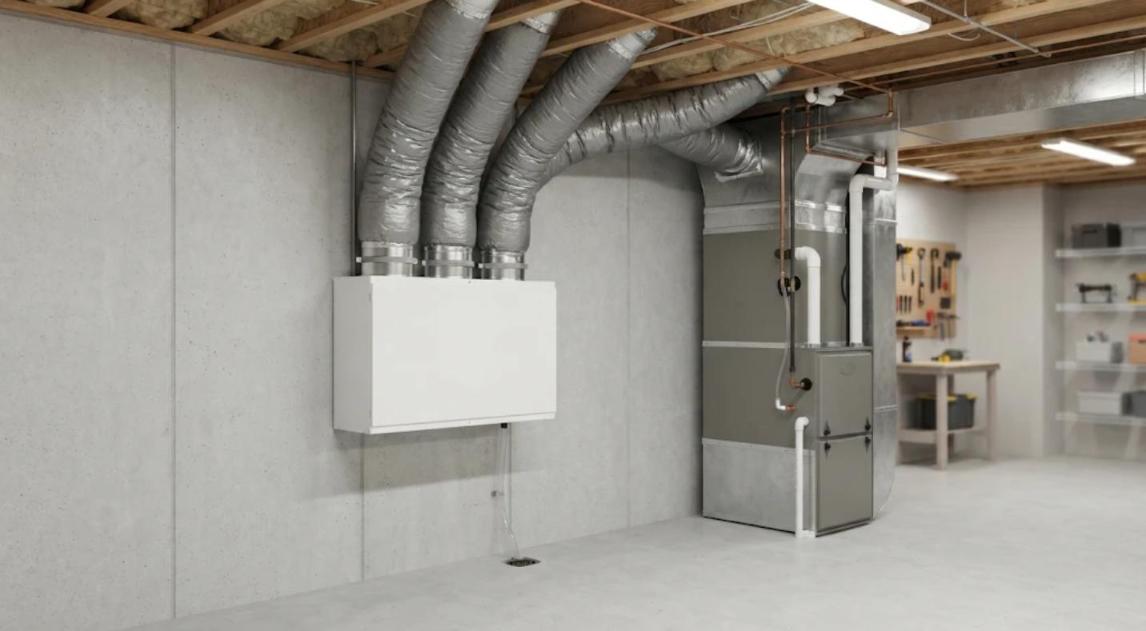
On very cold days, moisture in the outgoing air can freeze inside the heat exchange core. NRCan explains that most HRVs have an automatic defrost mode that activates when incoming outdoor air is below -5°C. Dampers briefly block the fresh air stream so warm house air can melt the frost, then the HRV returns to normal. The colder it gets, the longer the cycle lasts.
You may hear a damper click or a change in fan sound. Some units use a preheater instead. Defrost is one of the HRV settings in winter to leave on automatic. Call for service if you find ice on the core, water pooling under the unit, or cold drafts that do not ease after defrost. NRCan notes an installer can fix persistent drafts with diffusers, relocated outlets or a preheater.
A Winter Care Calendar for Your HRV
Even perfect HRV settings in winter fall short if filters clog or a hood is buried. This schedule follows NRCan and CMHC guidance:
| When | Task |
|---|---|
| After every snowfall | Brush snow or frost off both outdoor hoods by hand |
| Every 1 to 3 months | Clean or replace the filters (CMHC suggests every 2 months) |
| Twice a year | Inspect the heat exchange core; clean it per your manual |
| Twice a year | Check that the condensate drain flows freely |
| Once a year | Airflow balance and controls checked by a qualified contractor |
Follow your manual for washing the filters and core; most say to switch the unit off or unplug it first. If anything inside looks damaged, wet or loosely wired, close the door and call for service. HRV hoods often sit near the furnace pipes, so one storm routine covers both; see our guide on a furnace vent blocked by snow. For the yearly check, ask about including your HRV in a visit under our maintenance and protection plans.
Mistakes That Undo Good HRV Settings in Winter
- Turning the HRV off to save heat. The unit captures heat from outgoing air, and shutting it off traps moisture on windows and in corners.
- Blocking the outdoor intake. Covering the hood starves the house of fresh air and upsets the balance.
- Closing supply or return grilles. This disturbs airflow. Ask about diffusers or a preheater instead.
- Skipping filter cleaning. Clogged filters cut airflow, so even the right setting delivers less fresh air.
- Doing electrical work yourself. Moving a wall control, adding a timer or rewiring the unit is a job for a qualified technician or licensed electrician.
When to Call a Technician
- Windows keep streaming after you lower the dehumidistat.
- The house stays very dry even on the lowest setting.
- The unit rattles or a fan seems to have stopped.
- Water is pooling under the HRV, or the drain looks frozen or blocked.
- The control shows an error light or the unit will not start.
- The HRV was never balanced, or ducts changed in a renovation.
NRCan warns that an unbalanced system results in poor airflow and poor heat recovery, and recommends a yearly check by a qualified contractor, so balancing is not a dial to guess at. Still deciding on ventilation for an older home? Read whether a heat recovery ventilator is worth getting.
HRV Help for Markham, Richmond Hill and GTA Homes
Aire One has kept Ontario homes comfortable since 1990 and holds a 4.8-star Google rating from 541 reviews. We can check your HRV's balance, clear a blocked drain and help you choose HRV settings in winter that suit your household. Learn more about our HVAC company in Markham and our HVAC company in Richmond Hill, or see how our maintenance plans keep yearly tune-ups on schedule.
Still unsure about your HRV settings in winter?
Our technicians answer 24/7 across Markham, Richmond Hill and York Region.
310-HEAT (310-4328) · 24/7 service · $79 service call*
Frequently Asked Questions
What are the best HRV settings in winter?
For most homes, the best HRV settings in winter are continuous low speed for everyday use, high speed or boost during showers and cooking, and a dehumidistat adjusted so indoor humidity stays between 30% and 50%. Leave defrost on automatic and keep the outdoor hoods clear of snow.
What should I set my HRV dehumidistat to in winter?
There is no single number for every home. Start at a setting that keeps indoor humidity between 30% and 50%, the range Health Canada recommends, then adjust. If windows fog up, lower it a little. If the air feels dry or you get static shocks, raise it.
Is it normal for my HRV to go into defrost mode?
Yes. NRCan explains that most HRVs start an automatic defrost cycle when incoming outdoor air is below -5°C. You may hear dampers or a change in fan sound. Call a technician if ice builds up or water pools under the unit.
Why does my house feel so dry with the HRV running?
Cold outdoor air holds little moisture, so bringing it in dries the house. NRCan suggests adjusting the dehumidistat, running the HRV on its lowest setting or intermittently, and considering a humidifier or an ERV if dryness continues.
How often should I clean my HRV filters and core?
NRCan says to clean HRV filters every one to three months, and CMHC suggests every two months. Inspect the core twice a year and clean it as your manual directs. Check the outdoor hoods after every snowfall.
Sources and Helpful Resources
- Natural Resources Canada: Heat Recovery Ventilators (homeowner guide, PDF)
- Natural Resources Canada: Heat and Energy Recovery Ventilators
- CMHC: How to Maintain a Heat Recovery Ventilator
- Health Canada: Guide to Addressing Moisture and Mould Indoors
Matthew leads the Aire One Markham and Metro Toronto team, helping homeowners stay safe and comfortable every Ontario winter. Aire One has been TSSA-registered and serving the GTA since 1990.