

Space Heater vs Furnace: Which Costs Less?
When heating one room with a space heater really saves money, when it quietly costs more, and the safer long-term fixes for a cold room.

The short answer: In the space heater vs furnace debate, a space heater only saves money when you heat one small room for a few hours and turn the rest of the house down. For whole-home heat, a high-efficiency gas furnace or a heat pump is usually cheaper to run in Ontario, because electric resistance heat costs more per unit of warmth. If one room is always cold, fixing airflow or adding a ductless heat pump is a better long-term answer.
When one room feels chilly or the heating bill climbs, plugging in a space heater feels like an easy fix. Sometimes it is. Other times, it quietly raises your hydro bill while the rest of the house stays cold. The space heater vs furnace question comes down to how much space you are heating, for how long, and what your furnace is doing in the meantime.
This guide breaks down how each one heats, a simple cost comparison using Ontario electricity prices, when a space heater makes sense, the safety rules that matter most, and better long-term fixes for a cold room. If you would rather have a technician find the real cause, you can book a comfort check online.
Key takeaways
- In the space heater vs furnace match-up, electric heaters turn all their power into heat, but electricity usually costs more than natural gas for the same warmth.
- A typical 1,500-watt heater uses 1.5 kWh for every hour it runs on high.
- Space heaters save money only when the rest of the home is turned down.
- A heater near the thermostat can trick the furnace into leaving other rooms cold.
- Heating equipment is a leading cause of home fires in Ontario, so placement and supervision matter.
Space Heater vs Furnace: How Each One Heats Your Home
A portable electric space heater passes electricity through a heating element, then warms the air around it by radiation, a fan or oil-filled fins. Almost all of the electricity becomes heat, but that heat stays in one room.
A gas furnace burns natural gas and uses a blower to send warm air through ducts to every room. Most new gas furnaces in Canada must meet a federal minimum efficiency of 95% AFUE, meaning about 95 cents of every dollar of gas becomes heat in your home. A heat pump goes further: it moves heat from outdoor air into the house and can deliver two to three units of heat for each unit of electricity it uses in mild winter weather.
So the space heater vs furnace comparison is not really about efficiency. Both are efficient. It is about the price of the energy each one uses, and how much of the house you need to keep warm.
Space Heater vs Furnace Running Costs in Ontario
A common space heater draws 1,500 watts on high, which is 1.5 kWh for every hour it runs. Using the Ontario Energy Board's November 2025 Time-of-Use prices as an example, here is what that looks like for the electricity alone:
| Price period (Nov 2025 OEB TOU) | Price per kWh | 1,500 W heater, per hour | 8 hours |
|---|---|---|---|
| Off-peak | 9.8¢ | about 15¢ | about $1.18 |
| Mid-peak | 15.7¢ | about 24¢ | about $1.88 |
| On-peak | 20.3¢ | about 30¢ | about $2.44 |
These figures do not include delivery and regulatory charges, which add to every kilowatt-hour on your bill, and prices are reset every November and May, so check the current rates at the OEB website. In a space heater vs furnace cost comparison, one heater in one room for a few hours is modest. Two or three heaters running every evening, while the furnace still heats the rest of the house, can add up quickly over a long winter.
Natural gas has generally been the lower-cost way to heat a whole Ontario home, and a heat pump can lower costs further in milder weather. If your bill has jumped, our guide to the reasons your heating bill is too high is a good place to start.
Space Heater vs Furnace: When a Space Heater Makes Sense
A space heater can be the smarter choice in a few situations:
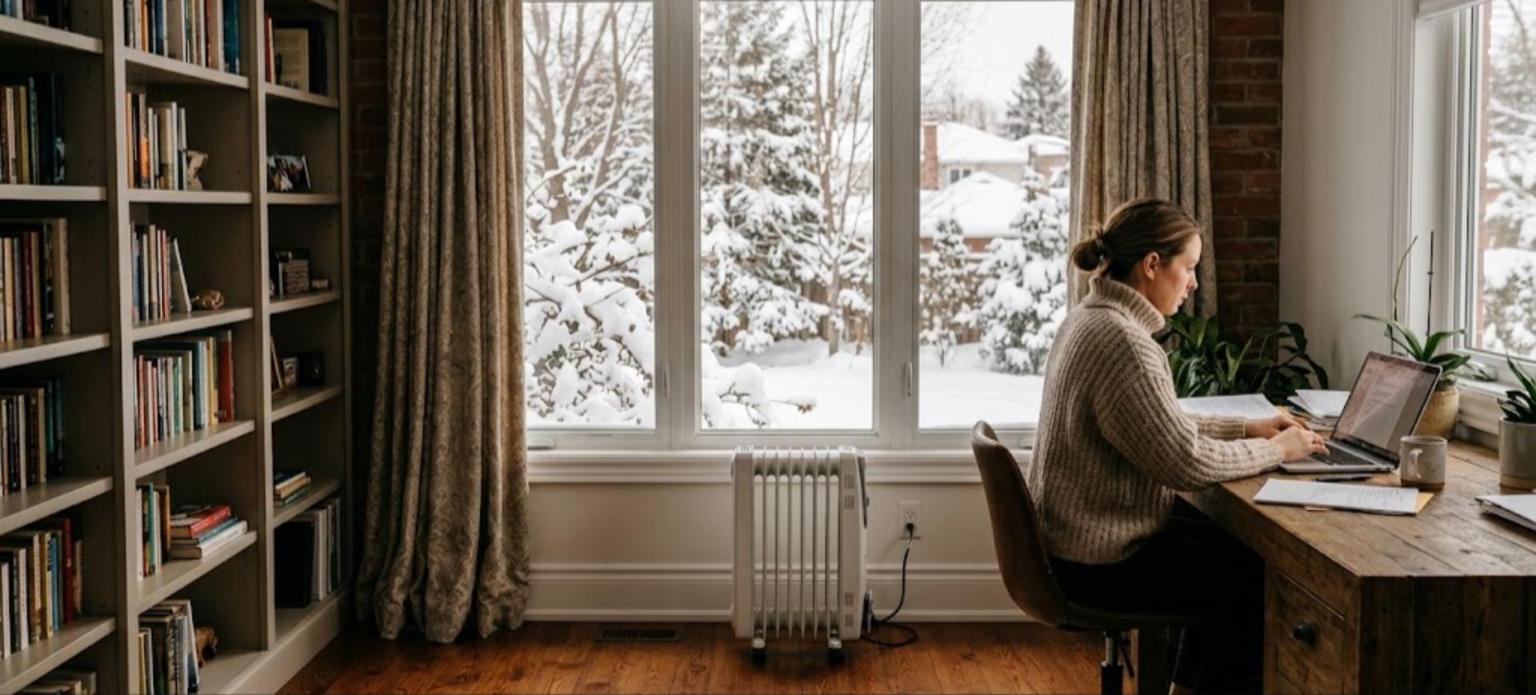
- You work from home in one room and can turn the thermostat down a few degrees for the rest of the house during the day.
- You need short bursts of heat, like warming a bathroom before a shower or a workshop for an hour.
- A guest room is used a few nights a year and is otherwise kept cooler with its door closed.
- You are waiting for a furnace repair and need temporary heat in one room, as long as the power is on. If it is not, see our guide to your furnace during a power outage.
In each space heater vs furnace case above, the savings come from lowering the furnace, not from the heater itself. Our guide to recommended thermostat settings shows how far you can safely set back.
Space Heater vs Furnace: When the Heater Costs You More
The space heater vs furnace math turns against you in these common cases:
- The heater is in the same room as the thermostat. The thermostat warms up, the furnace stops early, and the rest of the house gets colder.
- Heaters run for hours in several rooms while the furnace also runs at its normal setting.
- You close vents to "save" heat. This can raise duct pressure and make the furnace work harder. Our guide on closing vents in unused rooms explains why.
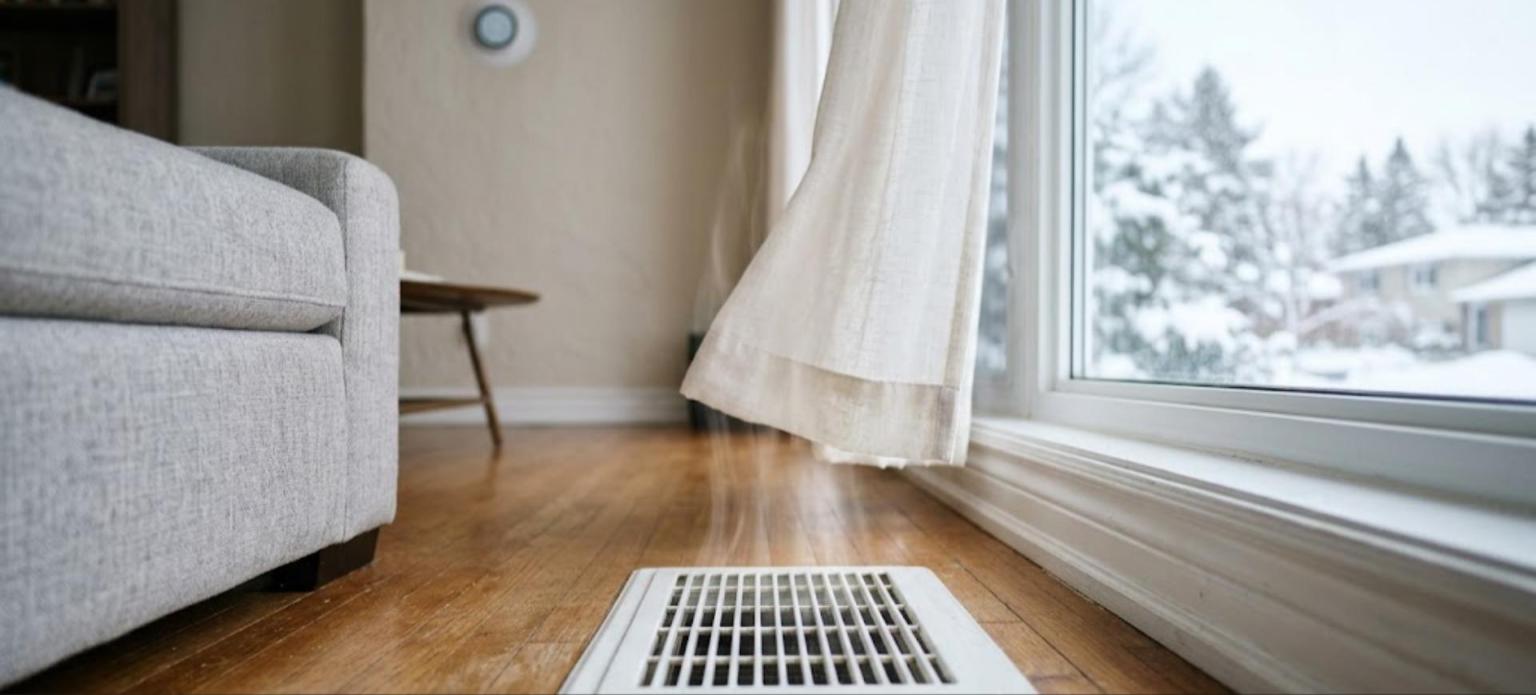
- A cold room hides a real problem, such as a disconnected duct, a failing blower or poor insulation, that keeps getting worse.
- Heaters run during on-peak hours, when electricity costs the most.
Space Heater Safety Rules That Matter Most
Heating equipment is a leading cause of home fires in Ontario. Whatever you decide on space heater vs furnace, if you use a heater, follow these rules every time:
- Use a heater with a recognized safety certification mark, automatic tip-over shut-off and overheat protection.
- Keep it at least one metre away from anything that can burn, including bedding, curtains, furniture and paper.
- Plug it straight into a wall outlet. Do not use extension cords or power bars.
- Place it on a hard, level floor, never on a rug, chair or table.
- Turn it off when you leave the room or go to sleep, and keep children and pets away from it.
- Never use outdoor fuel-burning heaters indoors, as they can produce deadly carbon monoxide.
Make sure you have working smoke alarms on every storey and outside sleeping areas, and test them monthly.
Better Long-Term Fixes for a Cold Room
If you find yourself weighing space heater vs furnace every winter, the room is telling you something. These fixes solve the cause rather than the symptom:
| Fix | Best for |
|---|---|
| Airflow testing and balancing | Rooms at the end of long duct runs or above garages |
| Ductless mini-split heat pump | Additions, sunrooms, finished basements and home offices |
| Zoning system | Larger homes with very different upstairs and downstairs temperatures |
| Air sealing and insulation | Drafty rooms, especially with older windows |
Our guides to why one room is colder than the rest and the benefits of HVAC zoning go deeper. A cold-climate heat pump can also qualify for provincial rebates; see our heat pump page for current options.
Get an Honest Answer for Your Home
The right answer to space heater vs furnace depends on your house, your equipment and how you use each room. Aire One has helped York Region homeowners solve comfort problems since 1990, with a free Total Home Assessment, NATE-certified technicians and a 4.8-star Google rating from 541 reviews. Talk to our HVAC company in Markham or HVAC company in Richmond Hill, or ask about a ductless or heat pump option for that one cold room.
Tired of heating one cold room?
Book a comfort check and find the real cause. Serving Markham, Richmond Hill and York Region since 1990.
310-HEAT (310-4328) · 24/7 service · $79 service call*
Frequently Asked Questions
Is it cheaper to run a space heater or a furnace?
For heating the whole house, a high-efficiency gas furnace or a heat pump is usually cheaper in Ontario. A space heater is cheaper only when you heat one small room for a few hours and turn the rest of the home down at the same time.
How much does a space heater cost to run per hour?
A 1,500-watt heater on high uses 1.5 kWh per hour. At the November 2025 OEB off-peak price of 9.8 cents, that is about 15 cents an hour for the electricity, before delivery and regulatory charges. It costs more during mid-peak and on-peak hours.
Can I turn off my furnace and use space heaters instead?
It is not recommended in an Ontario winter. Unheated rooms can drop low enough to freeze pipes, and running several heaters at once can cost more and overload circuits. Turning the furnace down a few degrees is safer.
Why does my house get colder when I use a space heater?
If the heater is in the same room as the thermostat, the thermostat reads the extra warmth and shuts the furnace off early. Move the heater away from the thermostat or use it in a different room.
What is the best permanent fix for one cold room?
Start with an airflow check, since many cold rooms are a duct or balancing problem. If the room is an addition or finished basement, a ductless mini-split heat pump is often the most efficient long-term solution.
Sources and Helpful Resources
- Ontario Energy Board: Electricity Price Changes
- Natural Resources Canada: Gas Furnace Efficiency Regulations
- City of Vaughan: Keep Warm and Stay Safe This Winter
- Save on Energy: Home Renovation Savings Program
Matthew leads the Aire One Markham and Metro Toronto team, helping homeowners find comfortable, cost-effective heating for every room through the Ontario winter. Aire One has been a TSSA-registered, Carrier Factory Authorized Dealer since 1990.