
Water Heater Making Noise? Decode the Sound
What popping, hissing, ticking, knocking and screaming sounds mean, what you can safely check, and when a technician should take over.
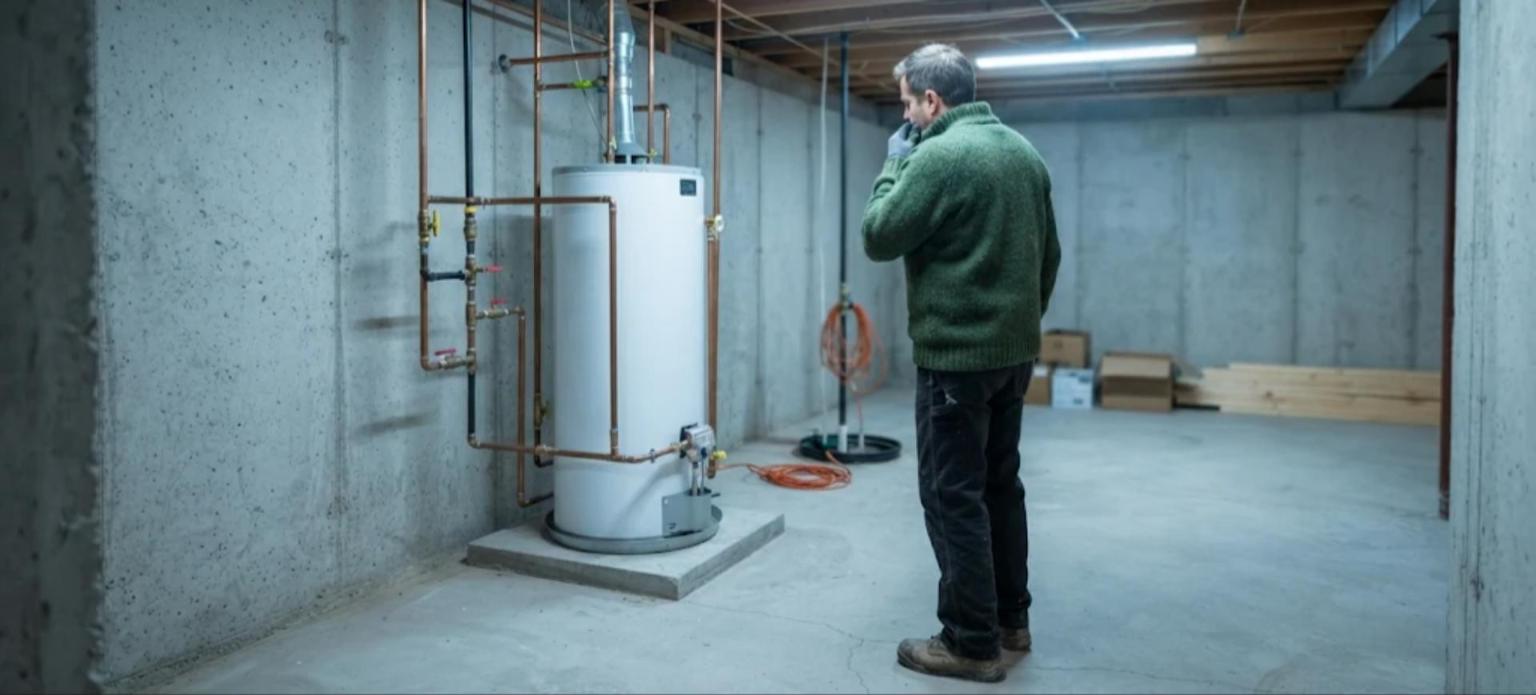

The short answer: Most of the time, a water heater making noise is telling you about sediment. Minerals settle on the bottom of the tank, water gets trapped under them, and it pops or rumbles as it boils through. Ticking and light sizzling are often normal. Screaming, a hissing relief valve, or any sound with a leak or a gas smell is not. If you smell rotten eggs, leave the home and call Enbridge Gas at 1-866-763-5427 or 911 from outside.
A tank water heater should be a quiet neighbour. So when a water heater making noise starts popping like a kettle, banging after the washer shuts off or letting out a thin whistle, it is fair to wonder whether something is about to fail.
The sound is your best clue. Below, seven common sounds are matched to their causes, with clear advice on when to call. If the tank is also dripping, start with our water heater leaking guide, and if the hot water has stopped, see our guide to no hot water.
Water Heater Making Noise? Match the Sound to the Cause
Listen through a full heating cycle, note when the sound happens, then compare it with the decoder.
One rule overrides the decoder. A water heater making noise along with water on the floor, a rotten egg smell, a carbon monoxide alarm or scorch marks near the burner is a call-today problem.
Popping and Rumbling: The Sediment Story
Most tap water carries dissolved minerals such as calcium and magnesium. Each time the tank heats, some settle on the bottom. Water trapped under that layer overheats, turns to steam and bursts through in small bubbles, which is the popping. As the layer thickens, popping turns into a low rumble.
This is the most common reason for a water heater making noise, and it costs you more than peace and quiet. Manitoba Hydro's water heater guide notes that sediment can reduce efficiency and may shorten the heater's life. On a gas tank, the burner's heat must push through the mineral layer. On an electric tank, the lower element can end up buried and strained.
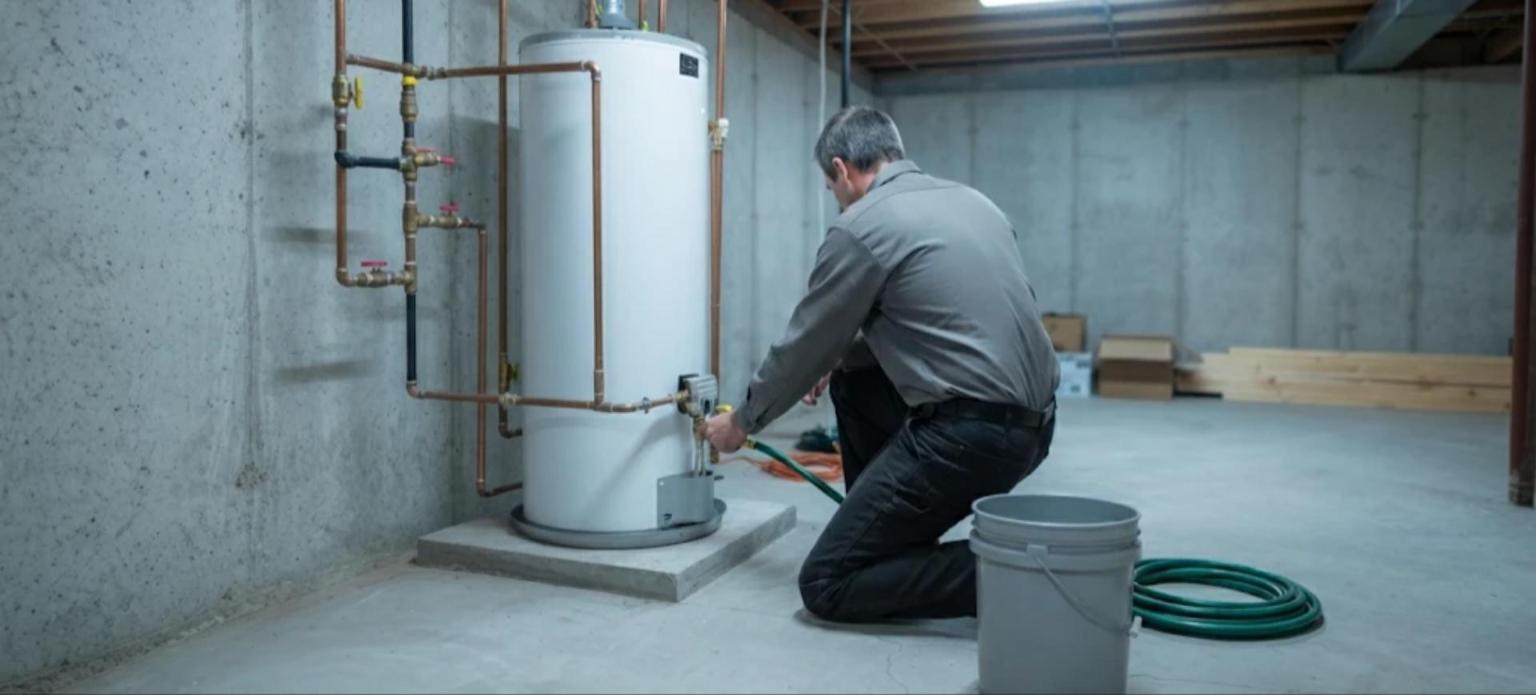
The fix is a flush, which drains water and sediment through the valve near the bottom of the tank. On a gas tank, leave it to a technician. On any tank, follow the manufacturer's manual or have a professional do it. Drained water is hot enough to scald, and an old drain valve can crack or refuse to close.
Hissing, Crackling and Sizzling
Gas tanks. When a gas tank fills with cold water, moisture from combustion condenses on the cool tank and drips onto the flame. It is common with a new tank and in winter, when incoming water is very cold, and it fades as the tank warms. A gas water heater making noise like this nonstop, or water pooling under the burner, can mean the tank is leaking.
Electric tanks. A hiss or crackle usually comes from scale on the heating elements. The elements sit behind covers with live wiring, so leave those covers in place. Our article on common problems with electric water heaters covers element faults.
Ticking, Tapping and Knocking in the Pipes
Ticking is the most common harmless sound. Pipes expand as hot water flows and shrink as they cool, ticking against straps and joists. Many tanks also have heat trap fittings at the top that tap as water moves.
Knocking is usually water hammer. When a fast-closing valve on a washer or dishwasher shuts, moving water stops suddenly and slams into the pipe, and the bang echoes near the tank. Repeated shocks strain fittings, so a technician or licensed plumber should secure loose pipes or add arrestors. If your home has a check valve on the water main, expanding hot water has nowhere to go, and a thermal expansion tank may be recommended.
When a Water Heater Making Noise Needs a Call Today
Call for service the same day if you notice any of these:
- Screaming or a high-pitched whine. Keep people and pets away from the tank.
- Hissing or water at the temperature and pressure (T&P) relief valve. Never cap or plug the discharge pipe. The National Board of Boiler and Pressure Vessel Inspectors warns against capping it to stop a leak, because that valve protects the tank from dangerous pressure.
- Any noise with a leak, which often points to a tank wearing through.
- A roaring burner or scorch marks on a gas tank.
Gas smell or CO alarm? If you smell rotten eggs, do not touch switches or the gas valve. Leave the home, then call Enbridge Gas at 1-866-763-5427 or 911 from outside. If a carbon monoxide alarm sounds, get everyone out and call 911. See our guide to carbon monoxide alarms in Ontario.
A thin whistle from a supply line usually means a partly closed valve and can wait for a booking. A soft hum is normal on a heat pump water heater, and tankless units click as they fire. A tankless water heater making noise that grows louder may have scale, which our tankless water heater maintenance guide explains. Our repair technicians answer 24/7.
A Safe Five-Minute Listening Check
When you first hear a water heater making noise, this check needs no tools, and every cover stays in place.
- Note the timing of the sound for the technician.
- Look at the floor around the base and below the top fittings for water or rust.
- Check the discharge pipe from the relief valve. Water at its end means the valve opened.
- Use your nose. A rotten egg smell means leave the home and call from outside.
- Stop a leak at the supply. Close the cold water valve above the tank if you can reach it safely.
What not to do
- Cap, plug or remove the relief valve or its pipe.
- Open burner panels or electric element covers.
- Relight a pilot or adjust a gas valve.
- Drain a hot tank, which can cause serious burns.
If your water heater is a rental, call your rental provider first, since the owner of the tank usually handles repairs. If you own your tank, reach our Richmond Hill HVAC team or book a visit online.
Noise Plus Age: Repair or Replace?
Ticking, condensation sizzle and water hammer say nothing about a tank's health. Heavy rumbling on an older tank is different. Manitoba Hydro notes that standard water heaters usually last about 7 to 12 years, though they can fail at any time. An older water heater making noise along with rusty water or a damp base is usually a replacement candidate. Our guide to the signs it may be time to replace your water heater covers each warning sign.
We will tell you plainly whether a repair or a replacement is better value. Visits start with a $79 service call*, and financing is available on replacements. Curious about on-demand units? See our tankless water heater page.
How to Keep a Water Heater Quiet
A little routine care stops most tanks from becoming a water heater making noise:
- Book regular service to flush sediment, check the anode rod, test the relief valve and inspect gas venting.
- Follow the manual's flushing schedule. Harder water means more frequent flushing.
- Keep the setting sensible. The Public Health Agency of Canada advises 60°C (140°F) at the tank to prevent bacteria such as Legionella, with anti-scald mixing valves delivering about 49°C (120°F) at the taps.
- Keep the area clear of paint, gasoline and cleaning products.
Water Heater Service Across the GTA
Aire One has served Ontario homeowners since 1990, with 24/7 technicians and a 4.8-star Google rating from 541 reviews. Whether a water heater making noise needs a flush or a new tank, our HVAC servicing and repairs team explains your options before any work starts. We serve the GTA, including Markham and Richmond Hill. Meet our HVAC company in Markham and our HVAC company in Richmond Hill.
Water heater making noise you cannot place?
Our technicians answer 24/7 across Markham, Richmond Hill and York Region. TSSA-registered and trusted since 1990.
310-HEAT (310-4328) · 24/7 service · $79 service call*
Frequently Asked Questions
Is a water heater making noise dangerous?
Usually not. Popping, rumbling, ticking and light sizzling are common and point to sediment, normal expansion or condensation. Screaming, a hissing relief valve, a leak, a gas smell or a carbon monoxide alarm are different and need help the same day.
Why does my water heater pop when it heats up?
Popping almost always comes from sediment. Minerals settle on the tank bottom, water trapped under them turns to steam, and the bubbles burst through. A flush by a technician usually quiets it.
Is it normal for a new water heater to make noise?
Some noise is normal. New gas tanks often sizzle as condensation drips onto the burner while cold water heats, and pipes may tick as they warm. Popping in a brand new tank is less common and worth having checked.
Can I flush my water heater myself?
Some homeowners do, using the steps in the manufacturer's manual. The water is hot enough to scald, old drain valves can fail, and gas tanks involve the gas control, so most people are better off having a technician flush it during a service visit.
What should I do if my water heater is screaming?
Keep people away from the tank and do not touch the relief valve or its discharge pipe. Call for service right away. If you also smell gas, leave the home and call Enbridge Gas at 1-866-763-5427 or 911 from outside.
Sources and Helpful Resources
- Manitoba Hydro: Energy Saving Guide, Water Heaters (PDF)
- National Board of Boiler and Pressure Vessel Inspectors: Residential Water Heater Safety
- Public Health Agency of Canada: Water Temperature and Burns or Scalds
- Enbridge Gas: What to Do If You Smell Gas
Matthew leads the Aire One Markham and Metro Toronto team, helping homeowners keep their heating and hot water systems safe and reliable through every Ontario winter. Aire One has been a TSSA-registered, Carrier Factory Authorized Dealer since 1990.