
Carbon Monoxide Alarm Ontario Rules: What Your Home Needs in 2026
Where the Fire Code says alarms must go, what changed on January 1, 2026, and how to keep every alarm in your home working all winter.

The short answer: Under the carbon monoxide alarm Ontario rules in the Fire Code, a home with a fuel-burning appliance, a fireplace or an attached garage needs a CO alarm next to each sleeping area. Since January 1, 2026, it also needs one on every storey, even storeys with no bedrooms. Test each alarm monthly, replace batteries every year, and if an alarm sounds, get everyone outside and call 911.
The first cold weeks of the year are when furnaces, water heaters and gas fireplaces start running hard. Carbon monoxide (CO) has no colour, smell or taste, so an alarm is often the only warning. This guide walks through the current carbon monoxide alarm Ontario requirements, what the 2026 update changed, and the simple habits that keep your alarms ready.
We wrote this carbon monoxide alarm Ontario guide for homeowners across the GTA, including the Markham and Richmond Hill families we serve. If you would like a technician to check your furnace and venting while you sort out your alarms, you can book a visit online or call 310-HEAT any time.
What the Carbon Monoxide Alarm Ontario Law Requires in 2026
Ontario's CO alarm rules live in the Ontario Fire Code, and new requirements took effect on January 1, 2026. According to the Government of Ontario, a house needs carbon monoxide alarms if it has any of the following:
- A fuel-burning appliance, such as a gas furnace, boiler, water heater, stove or dryer.
- A fireplace, whether it burns gas or wood.
- An attached garage.
- Heat that comes from a fuel-burning appliance located outside the home (a rule that took effect on January 1, 2026).
Once a home meets any of those conditions, alarms must go adjacent to each sleeping area. The big change this year is that the carbon monoxide alarm Ontario rule now also covers every storey of the home, including storeys with no bedrooms, such as a finished basement or a main floor with only a kitchen and living room.
Condo and apartment units follow the same idea, and some buildings also need alarms in corridors heated by a fuel-burning appliance. Building owners are responsible for meeting the Fire Code, and it is against the law for anyone to remove batteries from or tamper with a CO alarm.
Carbon Monoxide Alarm Ontario Checklist: Does Your Home Need One?
Most GTA homes tick at least one box:
| Your home has | CO alarm required? |
|---|---|
| Gas furnace, boiler or water heater | Yes, outside every sleeping area and on every storey |
| Gas or wood fireplace | Yes, even if the fireplace is rarely used |
| Attached garage | Yes, even in an all-electric home |
| Heat supplied from a fuel-burning appliance outside your home | Yes, since January 1, 2026 |
| None of the above | Not required by the Fire Code; ask your local fire department if you are unsure |
Switching to an electric heat pump does not always take a home off the list. A gas water heater, gas range, fireplace or attached garage keeps the carbon monoxide alarm Ontario requirement in place.
Where to Put Each Alarm, Storey by Storey
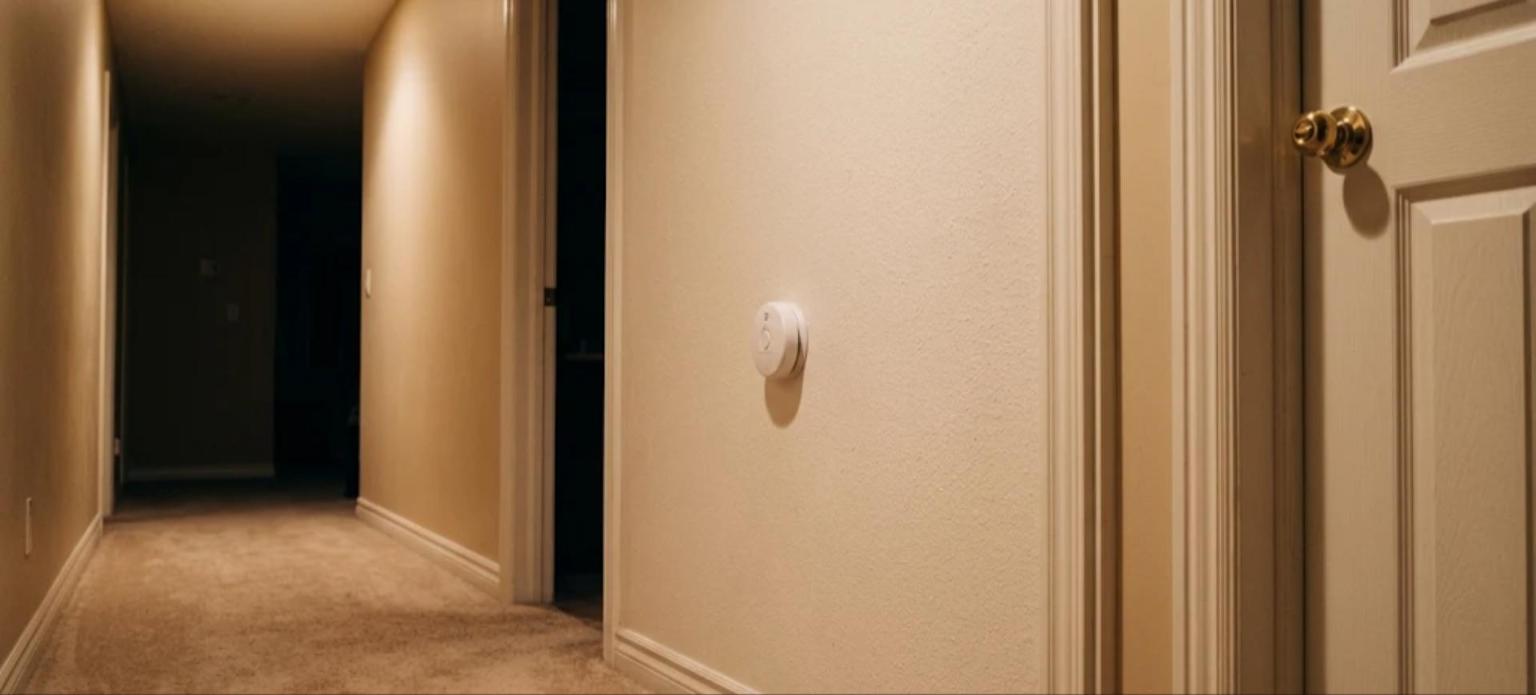
Health Canada notes that the most important place for a CO alarm is the hallway outside the sleeping areas, because that is where an alarm can wake people up. With the 2026 update, a carbon monoxide alarm Ontario layout for a typical two-storey home with a basement looks like this:
- Upper floor: an alarm in the hallway outside the bedrooms. If bedrooms are spread across separate wings, each sleeping area needs its own.
- Main floor: at least one alarm, even with no bedrooms on that level. If you have an attached garage, a spot near the door to the garage is a sensible choice.
- Basement: at least one alarm. If someone sleeps down there, place it outside that bedroom as well.
Follow the manufacturer's instructions for mounting height and for distance from bathrooms, vents and fuel-burning appliances, since models differ. Keep each alarm where furniture or curtains cannot block it.
Choosing the Right Alarm for Each Spot
Any alarm you buy to meet the carbon monoxide alarm Ontario rules should carry a Canadian certification mark on both the unit and the package. Health Canada points to CSA 6.19 as the standard for residential CO alarms. Beyond that, the right style depends on the location:
| Alarm type | Good to know |
|---|---|
| Battery-operated | Easy to mount anywhere and keeps working during a power outage |
| Plug-in with battery backup | Simple to add on a storey with outlets; the backup covers outages |
| Hardwired and interconnected | When one sounds, they all sound; installation is a job for a licensed electrician |
| Combination smoke and CO | Saves wall space; confirm it is certified for both smoke and CO |
Health Canada recommends alarms with battery backup, which matters when winter storms knock the power out.
A Simple Testing Routine You Can Keep
Installing alarms is only half of carbon monoxide alarm Ontario compliance. The province asks for three habits:
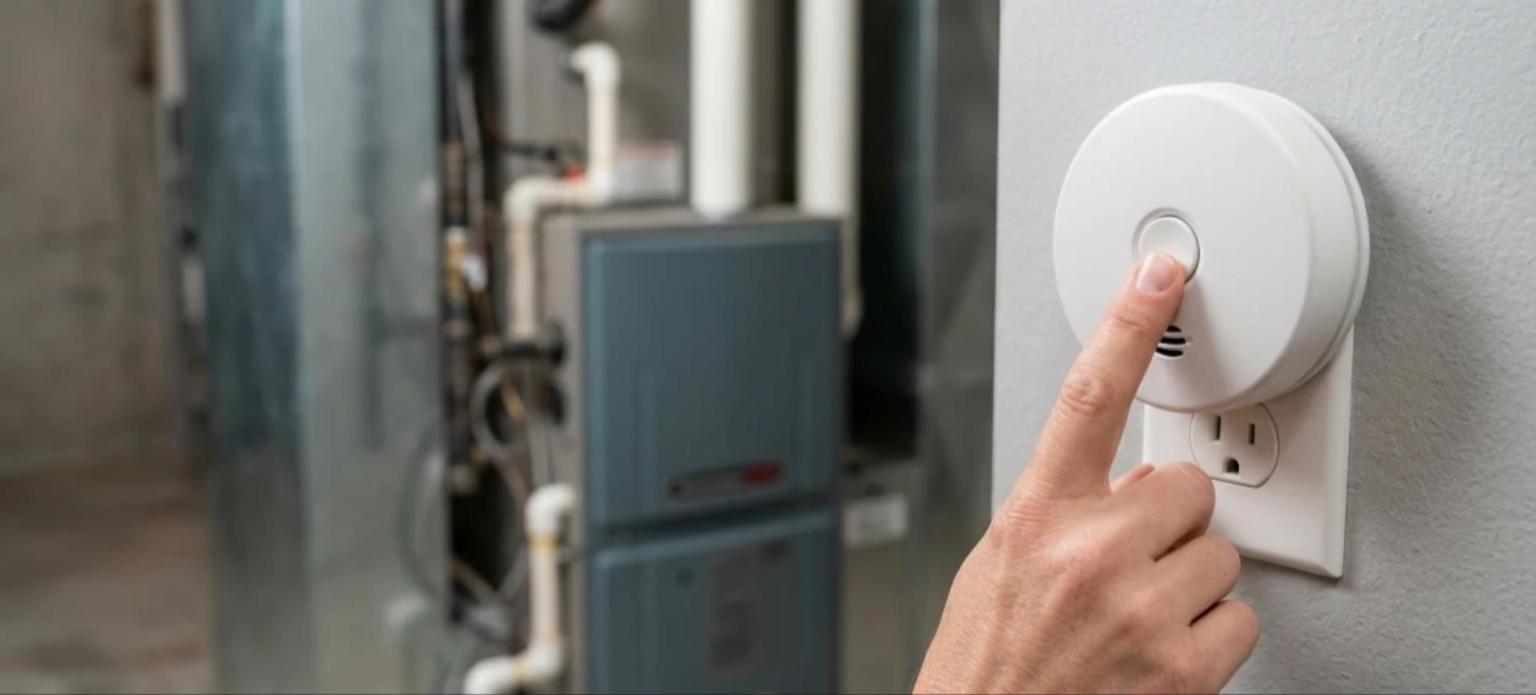
- Test every alarm monthly by pressing the test button.
- Replace the batteries every year.
- Replace the whole alarm on time. Check the replacement or expiry date printed on the unit and follow the manufacturer's instructions.
A chirp usually signals a low battery or the end of the alarm's life, but patterns vary by brand, so keep the manual handy. If you are unsure what a sound means, get outside first.
What to Do the Moment the Alarm Sounds
Never assume it is a false alarm. Follow these steps from Health Canada and the Government of Ontario:
- Get everyone out right away, including pets, and move to fresh air.
- Call 911 from outside the building.
- Do not go looking for the source. Leave that to firefighters.
- Stay out until a professional has fixed the problem and says it is safe to return.
Know the symptoms, too. At lower levels, CO can cause tiredness, headaches, shortness of breath and flu-like symptoms. Higher exposure can bring dizziness, chest pain, poor vision and difficulty thinking. If symptoms ease when people leave the house, get medical help even if no alarm went off.
One more point: a CO alarm does not detect natural gas. If you smell rotten eggs, leave the home and call Enbridge Gas at 1-866-763-5427 or 911 once you are outside.
Landlords, Tenants and Second Units
In a rental home, the carbon monoxide alarm Ontario duties fall on the landlord, who installs and maintains the alarms, tests them every year when the battery is replaced, and gives the tenant a copy of the maintenance instructions. Tenants should tell the landlord right away about any alarm that is missing, chirping or not working.
Homes with a basement apartment need extra care. Each unit needs CO alarms adjacent to its sleeping areas when there is a fuel-burning appliance, and shared heating systems come with their own fire and building requirements. Our guide to basement apartment heating covers the HVAC side, and your municipal building department can confirm what your layout needs before you rent it out.
Stopping CO at the Source: Your Heating System
Meeting every carbon monoxide alarm Ontario requirement means you get a warning. Well-maintained appliances keep CO from building up in the first place. Health Canada advises having fuel-burning appliances inspected by a professional at least once a year. A licensed technician checks combustion, venting and the heat exchanger. Our article on the furnace heat exchanger explains why a crack there matters.
A few winter situations deserve extra attention:
- Snow on the vents. Keep intake and exhaust pipes clear after every storm. See what to do with a furnace vent blocked by snow.
- Power outages. Never run a generator, barbecue or camp stove indoors or in a garage. Our guide to your furnace during a power outage covers safer options.
- Gas fireplaces. Read whether a gas fireplace can be left on overnight, and book a yearly check through our fireplace services team.
- A furnace that cycles oddly or burns poorly. These can point to combustion problems in high-efficiency furnaces.
Never open the burner compartment or try to adjust gas parts yourself. If you want a yearly routine handled for you, our maintenance and protection plans include a furnace tune-up with a combustion and venting safety check, plus priority booking.
Local Help for Markham, Richmond Hill and the GTA
Aire One has kept York Region homes warm and safe since 1990, and we hold a 4.8-star Google rating from 541 reviews. Our TSSA-registered technicians answer 24/7, with a $79 service call, a free Total Home Assessment, financing options and a 10-year worry-free warranty. Meeting the carbon monoxide alarm Ontario standard is the first step; a safe furnace is the second. Learn more about our HVAC company in Markham and our HVAC company in Richmond Hill, or read about annual HVAC maintenance in the GTA.
Want peace of mind before the deep cold?
Pair working alarms with a furnace safety check. Join a maintenance plan or book a visit with our Markham HVAC team.
310-HEAT (310-4328) · 24/7 service · $79 service call*
Frequently Asked Questions
Is a carbon monoxide alarm required on every floor in Ontario?
Yes, for homes that need them. Since January 1, 2026, the Ontario Fire Code requires a CO alarm on every storey, including storeys without bedrooms, in addition to an alarm adjacent to each sleeping area.
Do I need a CO alarm if my home has no gas appliances?
You may. The carbon monoxide alarm Ontario rule also applies to homes with a fireplace or an attached garage, and since 2026 to homes heated by a fuel-burning appliance located outside the home. If none of these apply, ask your local fire department to confirm.
Will a carbon monoxide alarm detect a natural gas leak?
No. Enbridge Gas notes that CO alarms detect carbon monoxide, not natural gas. If you smell rotten eggs, leave the home and call Enbridge Gas at 1-866-763-5427 or 911 from outside.
How often should I test and replace my CO alarms?
To keep each carbon monoxide alarm Ontario compliant, test it monthly with the test button, replace the battery every year, and replace the whole alarm according to the manufacturer's instructions and the date printed on the unit.
Who is responsible for CO alarms in a rental home?
The landlord must install and maintain the alarms, test them every year when the battery is replaced, and give tenants the maintenance instructions. Tenants should tell the landlord about any problem right away.
Sources and Helpful Resources
- Government of Ontario: Carbon Monoxide Safety
- Health Canada: Preventing Carbon Monoxide Exposure
- Health Canada: Carbon Monoxide Symptoms of Exposure
- Enbridge Gas: What to Do If You Smell Gas
Matthew leads the Aire One Markham and Metro Toronto team, helping Ontario homeowners keep their heating systems safe through every winter. Aire One has been a TSSA-registered, Carrier Factory Authorized Dealer since 1990.