

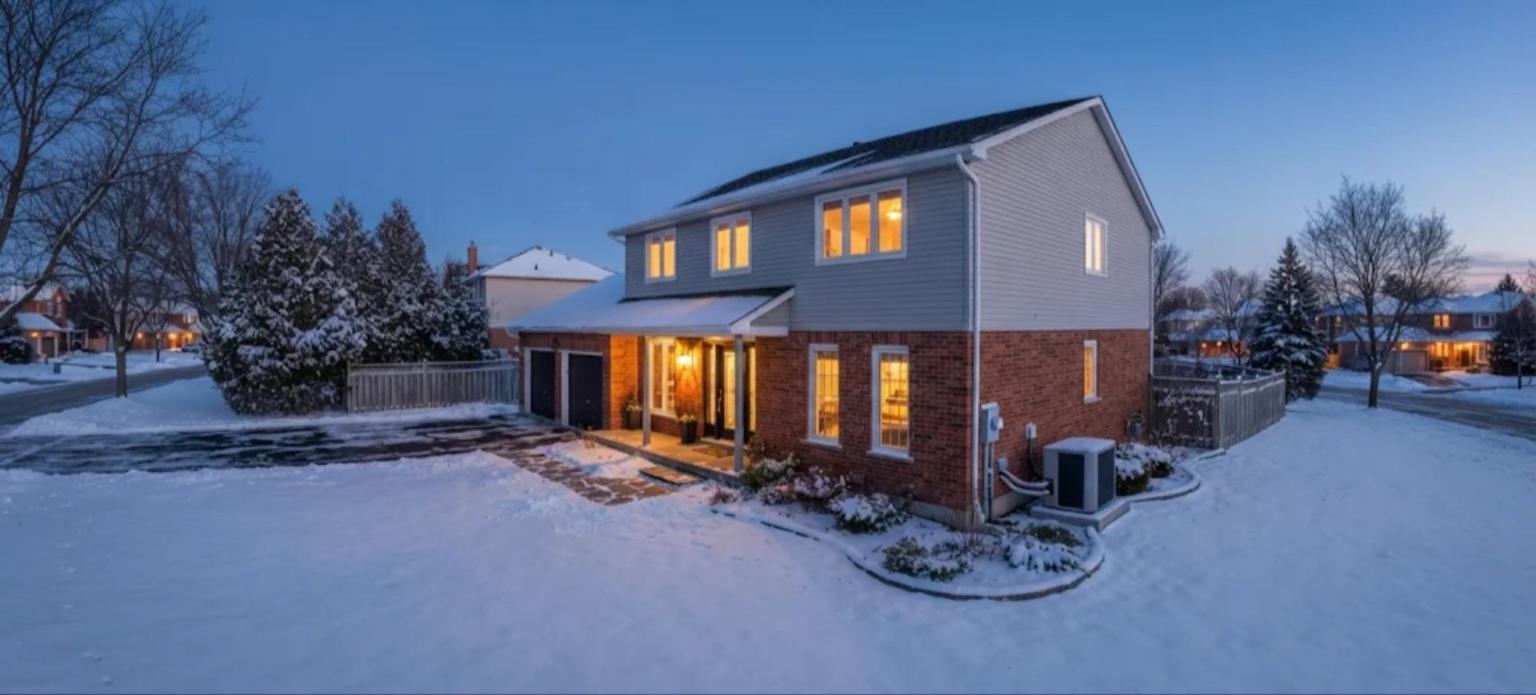
How Long Does a Heat Pump Last?
The service life Natural Resources Canada publishes, what wears a heat pump out early, and the habits that keep it running.
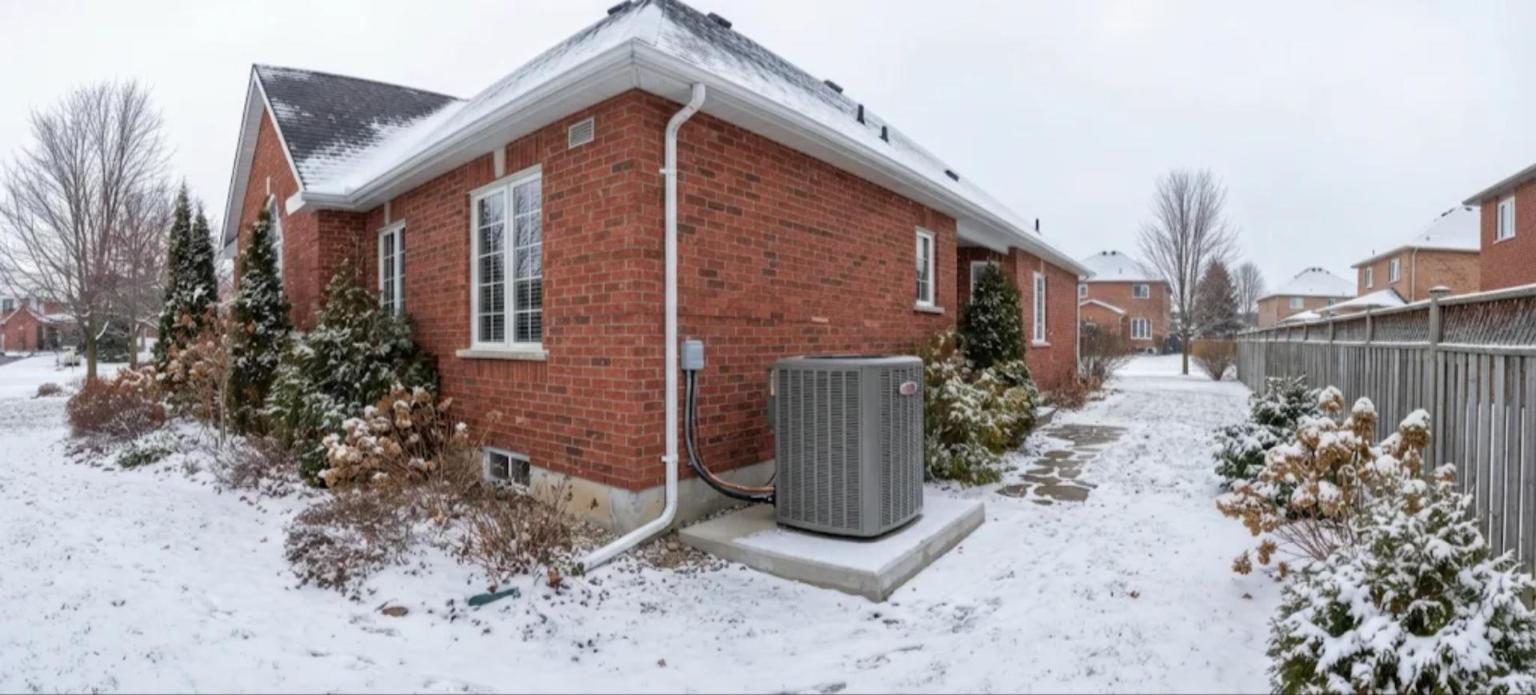

The short answer: How long does a heat pump last? Natural Resources Canada (NRCan) gives air-source heat pumps a service life of 15 to 20 years and ground-source heat pumps a life expectancy of about 20 to 25 years. The buried ground loop lasts far longer, approaching 75 years. Installation quality, correct sizing and yearly maintenance decide where your system lands in that range.
If you are asking how long does a heat pump last, you are probably weighing one of two things: whether to install one, or how many good years the one you own has left. Both start with the published service life, then depend on how well the system is cared for.
A heat pump heats in winter and cools in summer, so it runs for much of the year. This guide covers the numbers by system type, the habits that take years off, the signs of age and a maintenance plan. If yours is already struggling, you can book a visit online or call 310-HEAT any time.
How Long Does a Heat Pump Last? Lifespan by System Type
There is no single number, because "heat pump" covers more than one kind of system. NRCan's heat pump guide separates them like this:
| System or part | Published lifespan | What wears |
|---|---|---|
| Air-source heat pump | 15 to 20 years | The compressor, which NRCan calls the critical component, plus the outdoor fan and coil |
| Ground-source heat pump (indoor unit) | About 20 to 25 years | The compressor and pumps, which sit indoors away from snow and ice |
| Ground loop piping | 25 to 75 years when properly installed | Very little, which is why the loop often outlives several indoor units |
Ductless mini-splits are air-source heat pumps, so the same range applies. For the basics, read what a heat pump is and how it works.
The ground-source gap makes sense once you see where the hardware lives. An air-source outdoor unit sits in the weather all year, while a ground-source system keeps its moving parts indoors and, as NRCan notes, needs no defrost cycle. When a geothermal indoor unit wears out, the loop can usually stay. So how long does a heat pump last for your home? Start with the matching row, then adjust for the factors below.
How Long Does a Heat Pump Last Through Ontario Winters?
A furnace rests all summer. A heat pump heats from fall to spring, then cools through July and August, which adds running hours every year. Cold-climate heat pumps were designed for this. NRCan describes them as combining variable capacity compressors with improved heat exchanger designs and controls, so they can ramp up or down instead of switching hard on and off.
Winter also brings frost. In heating mode, the outdoor coil can ice over, so the system briefly runs a defrost cycle. NRCan points out that unnecessary defrost cycles reduce seasonal performance, and that demand-defrost controls are generally more efficient. Our post on heat pump defrost mode explains what normal looks like, and our post on how extreme cold impacts heat pump performance covers the coldest nights.
Five Things That Shorten Heat Pump Life
How long does a heat pump last when it is neglected? Often less than the published range, because each of these makes the compressor work harder or longer than it should.
Short cycling from the wrong size
NRCan recommends that a heating and cooling professional do the sizing calculations. An oversized unit starts and stops all day, while an undersized one leans on backup heat. See our guide to HVAC system sizing.
Dirty filters and coils
ENERGY STAR warns that a dirty filter can increase energy costs and damage equipment, leading to early failure. A dirty coil cannot move heat well, so the system runs longer.
Refrigerant leaks
Low refrigerant forces the compressor to strain. Checking the charge and finding leaks is licensed technician work. See our post on detecting and preventing refrigerant leaks.
A rushed installation
Poor line set work, the wrong refrigerant charge, undersized ducts or a unit set too low to the ground can cut years off a new system.
Snow and ice around the outdoor unit
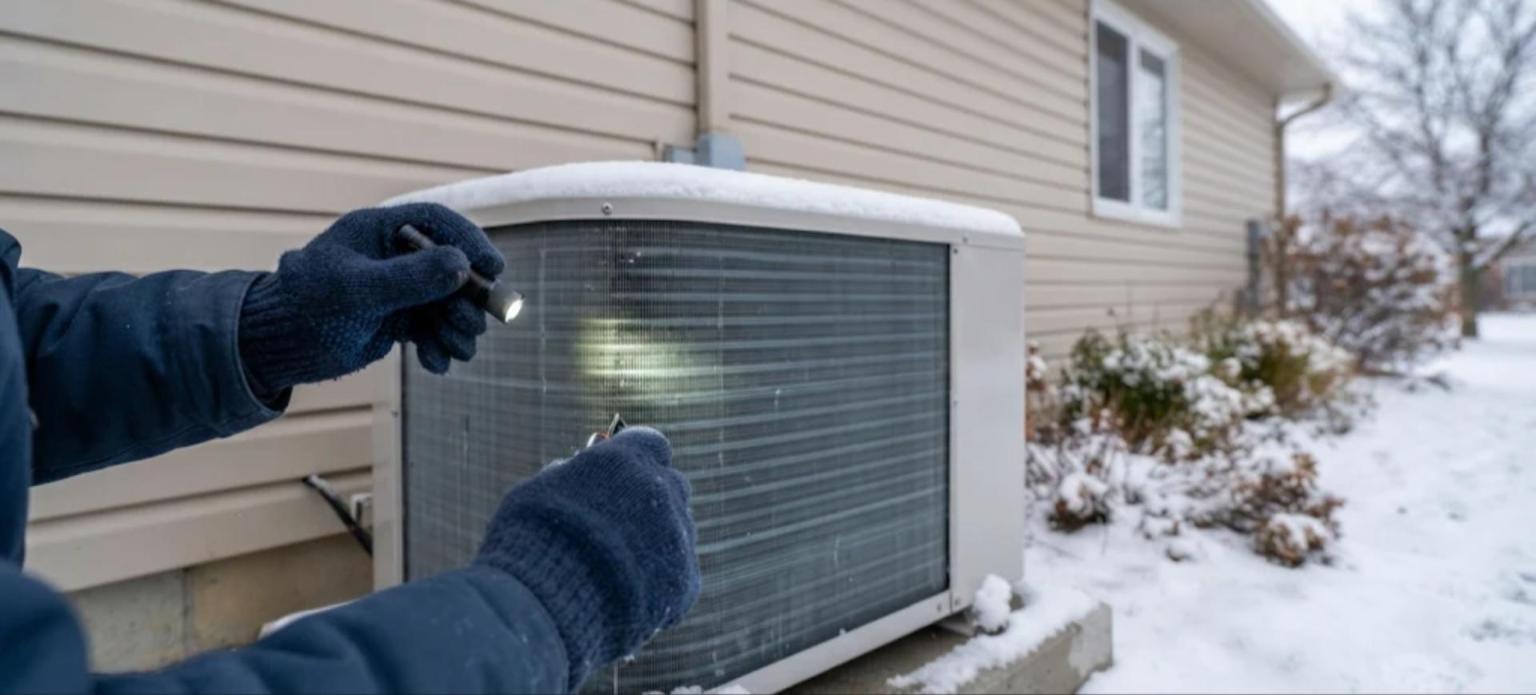
Drifts, roof run-off and ice at the base block airflow and drainage. Brush loose snow off the top, sides and base by hand or with a soft brush. Never chip ice, pour hot water on the coil or poke at the fins, and call a technician if the unit is encased in ice.
Signs Your Heat Pump Is Getting Older
Age shows up in performance before a breakdown. Watch for these once an air-source unit passes 10 years:
- Backup heat runs more than it used to. If the auxiliary heat light comes on often in mild weather, the heat pump may be losing capacity. See our guide to heat pump emergency heat.
- Rooms feel cooler while it runs longer. Longer cycles with less comfort point to a weak compressor, low charge or airflow trouble. Our heat pump not heating guide covers the checks you can safely do.
- New grinding, rattling or buzzing. Worn bearings and loose parts get louder with age. Our post on a heat pump making noise sorts normal sounds from warning signs.
- Repairs every season. Several repairs in a short time often mean parts are wearing out together. The most common heat pump problems are a good place to compare symptoms.
A Maintenance Plan That Helps a Heat Pump Last Longer
The best answer to "how long does a heat pump last" is often found in its service record. The U.S. Department of Energy says regular maintenance and proper operation are essential for the efficiency and longevity of a heat pump. It also notes that the energy use of a well-maintained heat pump and a severely neglected one can differ by 10% to 25%. Split the work this way:
Your part, all year
- Inspect the filter monthly and clean or change it at least every three months.
- Keep supply vents and return grilles clear of furniture and rugs.
- Clear leaves, plants and snow from around the outdoor unit by hand.
- Note new noises, ice that will not clear or a backup heat light that stays on.
A technician's part, once a year
- Measure the refrigerant charge and check for leaks.
- Inspect the blower, indoor coil, ducts and filters.
- Clean the outdoor coil and check electrical controls.
- Confirm the thermostat and defrost operate correctly.
ENERGY STAR suggests checking the heating system in the fall and the cooling system in the spring. See our fall guide to preparing your heat pump and our guide to annual HVAC maintenance in the GTA. Aire One's maintenance and protection plans put that yearly visit on the calendar.
Repair, Replace or Plan Ahead
The question "how long does a heat pump last" matters most when a repair bill arrives. A single repair on a unit under 10 years old is usually worth doing. Past 15 years, with rising bills or repeat breakdowns, get a second opinion and plan the next system on your own schedule. Our post on when to repair vs replace your HVAC system covers the full decision.
Many older units use R-410A, while new equipment is moving to A2L refrigerants such as R-454B and R-32, which need trained technicians. Existing R-410A systems can still be serviced, as our R-410A phase-out guide explains.
If you are replacing, Ontario's Home Renovation Savings Program from Save on Energy and Enbridge Gas offers rebates of up to $7,500 for a cold-climate air-source heat pump and up to $12,000 for ground source, based on size. The unit must be on NRCan's qualified products list, and amounts can change, so check saveonenergy.ca and our Ontario rebates guide. Aire One's heat pump services start with a free Total Home Assessment, with financing and a 10-year worry-free warranty available. Comparing systems? See our furnace lifespan guide and heat pump vs furnace post.
Heat pump care for GTA homeowners
Aire One has served Ontario homes since 1990, with 24/7 technicians, a $79 service call and a 4.8-star Google rating from 541 reviews. Still asking "how long does a heat pump last" about your own system? An inspection beats a calendar. Our HVAC company in Markham and HVAC company in Richmond Hill teams maintain, repair and install heat pumps. Planning a new one? Read about heat pump installation in Markham or in Richmond Hill.
How long does a heat pump last in your home? Let us check.
Book a tune-up or a free Total Home Assessment. We serve Markham, Richmond Hill and York Region, TSSA-registered and trusted since 1990.
310-HEAT (310-4328) · 24/7 service · $79 service call*
Ready for a new system? Explore our heat pump page, or protect the one you have with a protection plan.
Frequently Asked Questions
How long does a heat pump last in Ontario?
Natural Resources Canada gives air-source heat pumps a service life of 15 to 20 years and ground-source heat pumps about 20 to 25 years. Ontario units heat and cool for much of the year, so yearly professional maintenance helps them reach the upper end of that range.
Does a ground-source heat pump last longer than an air-source one?
Usually, yes. NRCan puts ground-source systems at about 20 to 25 years for the indoor unit, and the ground loop can approach 75 years. The moving parts stay indoors, away from snow and ice, and no defrost cycle is needed.
Do cold-climate heat pumps wear out faster in winter?
They are built for cold weather, with variable capacity compressors that ramp up and down instead of cycling hard. What wears any heat pump out early is poor sizing, dirty filters and coils, refrigerant leaks and snow or ice blocking the outdoor unit.
How often should a heat pump be serviced?
The U.S. Department of Energy recommends a professional service at least once a year. Between visits, inspect the filter monthly, clean or change it at least every three months, and keep the outdoor unit clear of leaves and snow.
Should I replace a 15-year-old heat pump that still works?
Not automatically. A 15-year-old air-source unit is within its expected service life, so have it inspected, compare your bills and plan ahead. If it needs a major repair, such as a new compressor, ask for a replacement quote to compare.
Sources and Helpful Resources
This article is general information. Published answers to "how long does a heat pump last" are ranges, not a guarantee for any one system.
- Natural Resources Canada: Heating and Cooling With a Heat Pump
- U.S. Department of Energy: Operating and Maintaining Your Heat Pump
- ENERGY STAR: Maintenance Checklist
- Save on Energy: Home Renovation Savings Program
Matthew leads the Aire One Markham and Metro Toronto team, helping homeowners stay comfortable through every Ontario season. Aire One has been a TSSA-registered, Carrier Factory Authorized Dealer since 1990.