
How to Keep Basement Warm All Winter
Why basements run cold, the free fixes to try tonight, and the upgrades that solve it for good.
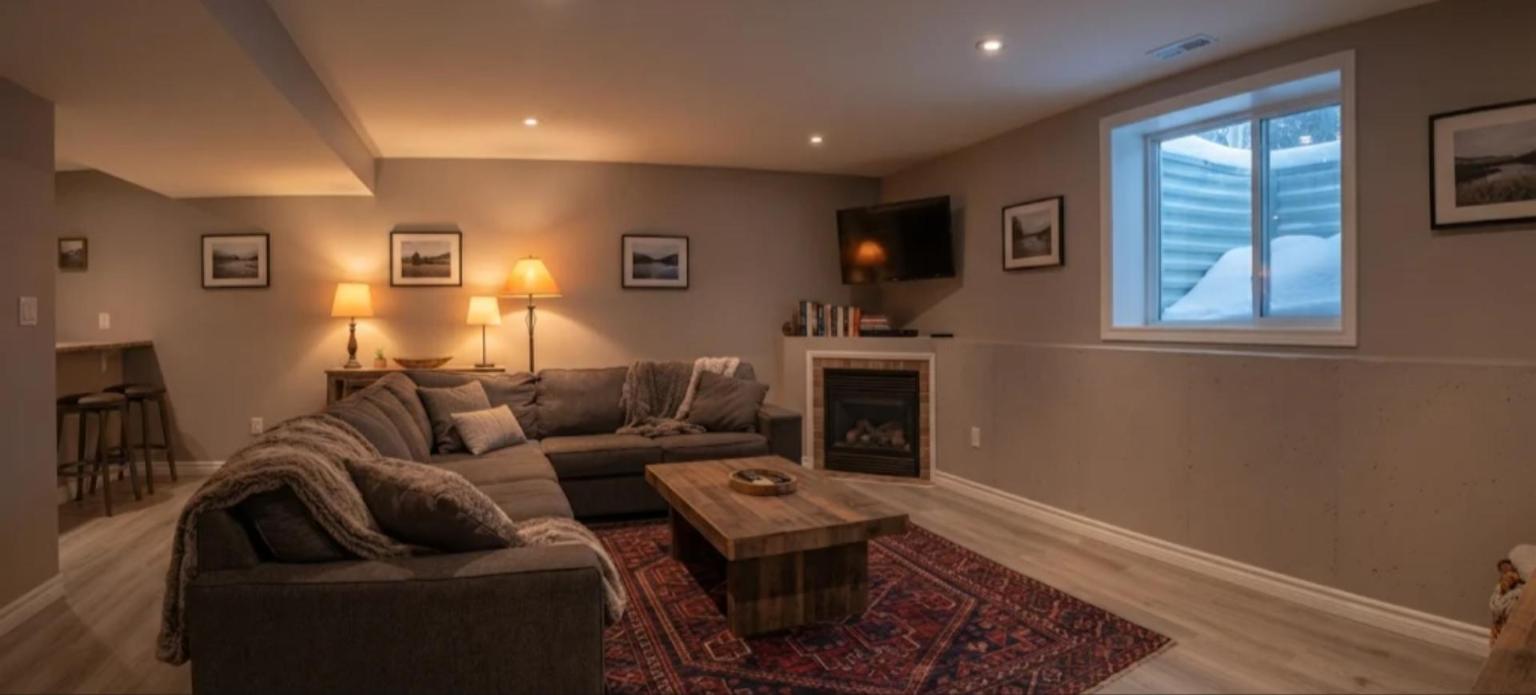

The short answer: How to keep basement warm comes down to three steps. First, get warm air into the room by opening and clearing registers and changing the filter. Second, stop heat escaping through bare concrete walls, rim joists and leaky windows. Third, if it is still cold, add heat that reaches it, such as balanced ductwork, zoning or a ductless heat pump installed by a licensed technician.
If you are wondering how to keep basement warm this winter, you are in good company. In many Ontario homes the main floor feels fine while the room downstairs stays chilly, even with the furnace running. Most cold basements have a short list of causes, and several fixes cost little or nothing.
This guide on how to keep basement warm covers why basements run cold, a quick check you can do yourself, and the upgrades worth considering when easy fixes fall short. If you would rather have a technician look at it, you can book a visit online or call 310-HEAT any time.
Four Reasons Basements Run Cold
Learning how to keep basement warm starts with knowing what you are working against. The federal Keeping the Heat In guide notes that basements can account for about 25 percent of a home's total heat loss, and that many have little or no insulation. Most cold basements have one or more of these four problems:
1. Walls below grade
Bare concrete walls sit against cold soil all winter and pull heat out of the room.
2. Too few supply registers
Many basements have only a few supply runs, often in the ceiling, so warm air stays near the joists.
3. Cold air sinks
Warm air rises up the stairs while cool air settles low. With the thermostat upstairs, the furnace stops before the basement catches up.
4. Leaky rim joists
The band where the floor framing meets the foundation is, in the guide's words, prone to air leakage and seldom properly insulated.
A 10-Minute Basement Walk-Through
Walk the basement with a flashlight on a cold day. This is a look-and-feel check only: do not open the furnace, touch wiring or move gas piping.
| Look at | What it tells you |
|---|---|
| Supply registers | Closed or covered registers mean warm air never reaches the room |
| Return air grilles | Blocked returns stop air from circulating |
| Furnace filter | A clogged filter cuts airflow to the farthest rooms first |
| Top of the foundation wall | Cold air, bare framing or daylight at the rim joist points to air leakage |
| Windows and doors | Frost on frames or a gap under a walkout door means drafts |
| Walls and floor | Damp spots or a musty smell point to moisture to fix before insulating |
If one room downstairs is far colder than the others, our guide to why one room in your house is so cold or hot covers the airflow side in more detail.
How to Keep Basement Warm: Free and Low-Cost Fixes
These steps are safe for any homeowner and often help within a day.
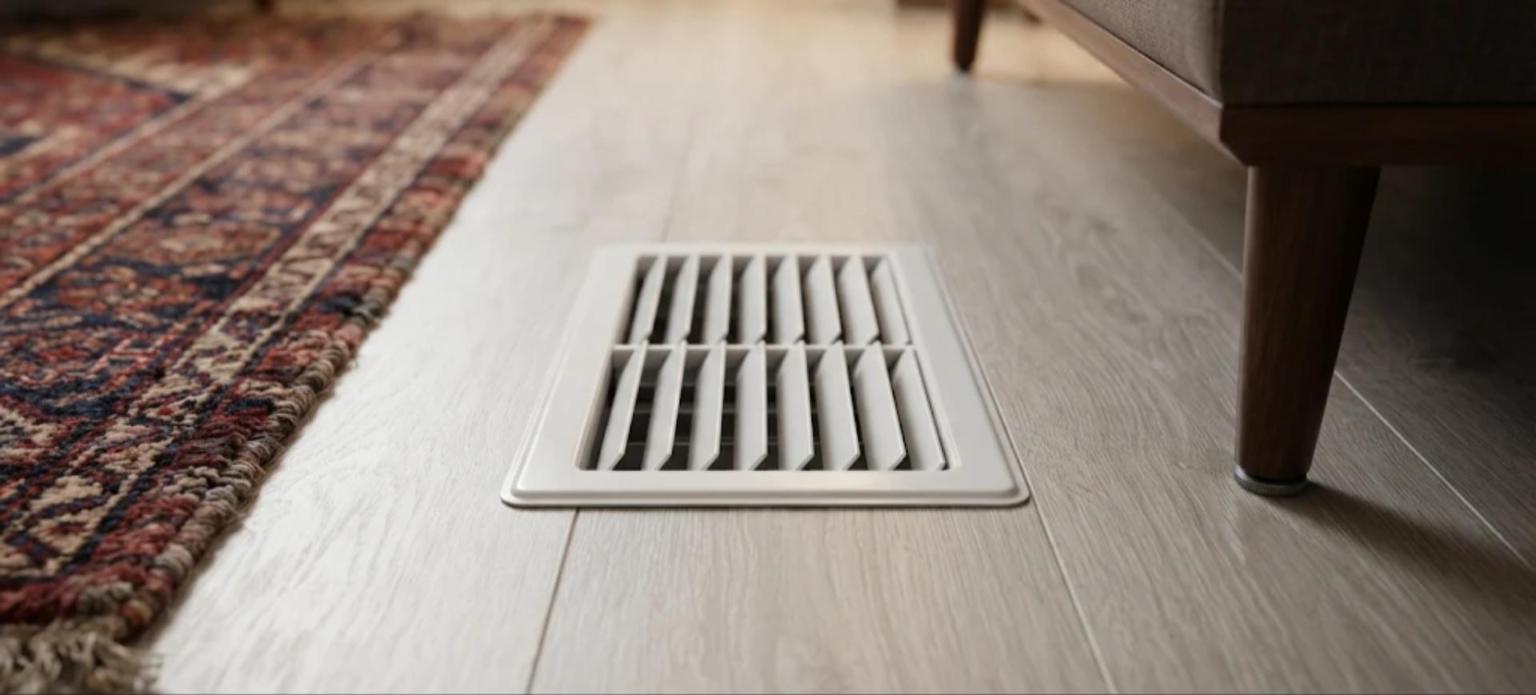
- Open and clear every register. Move furniture and storage away, and lift rugs off floor registers. A register deflector can point air from a high vent down into the room.
- Keep return grilles open. Warm air can only come in as fast as cool air goes back to the furnace.
- Change the furnace filter. Check it monthly in winter and replace it when it looks grey or clogged.
- Try the fan on continuous. Setting the thermostat fan to "on" or "circulate" mixes warm upstairs air with cool basement air. It can add a little to your electricity use, so test it for a week.
- Cover bare floors. Area rugs with a pad over concrete or tile make the room feel warmer underfoot. Keep them off any floor register.
- Stop window and door drafts. Weatherstripping, caulking and a door sweep are inexpensive. Heavy curtains help at night.
- Deal with dampness. Damp air feels clammy and cold. If you see condensation or notice a musty smell, read our guide to the signs your home needs a dehumidifier.
If airflow is still weak with everything open, the next step in learning how to keep basement warm is duct balancing. Many systems have dampers on the branch ducts, and a technician can adjust them to send more air downstairs.
How to Keep Basement Warm for Good: Insulation and Air Sealing
Airflow fixes bring heat in. Insulation and air sealing keep it there. That same guide gives three rules:
- Fix moisture first. Do not insulate a basement with moisture problems from the inside. Correct leaks, regrade the soil away from the house and repair downspouts before you start.
- Seal, then insulate the rim joist. Air seal leakage paths at the sill and around penetrations, then insulate the joist area. Exposed spray foam must be covered with a fire-resistant material.
- Plan wall insulation with a finish. Insulating foundation walls pairs well with finishing, waterproofing or radon work.
Ontario's Home Renovation Savings Program can help. Its bundled path starts with a home energy assessment and includes insulation and air sealing upgrades. Amounts change, so check saveonenergy.ca, and see our home energy audit guide for Ontario and our Ontario rebates guide.
Heating Upgrades That Reach the Basement
When the room is sealed and the registers are open but it is still cold, the answer to how to keep basement warm is delivering more heat. Here is how the main options compare:
| Upgrade | Best for | Who does it |
|---|---|---|
| Duct balancing or a new supply or return run | Basements with ducts but weak airflow | HVAC technician, after checking furnace capacity |
| Zoning | Homes where each floor needs its own thermostat | HVAC technician |
| Ductless mini-split heat pump | Finished basements with few or no ducts; also cools in summer | Licensed HVAC installer |
| Radiant floor heating | Basements getting a new floor during a renovation | Heating contractor |
Zoning lets the basement call for heat on its own. Our article on the benefits of zoning systems explains how it works. A ductless system adds heat without cutting into finished ceilings. Explore our heat pump options, and note that cold-climate units on the NRCan qualified products list may be eligible for a Home Renovation Savings rebate. Planning a new floor? Read about radiant floor heating.
Using a Space Heater as a Stopgap
A portable electric heater can take the chill off, but it is not a long-term answer on how to keep basement warm. Our comparison of a space heater vs furnace covers the running costs. If you use one, Brampton Fire and Emergency Services advises:
- Keep the heater 1 metre away from anything that can burn, including curtains, bedding, furniture, children and pets.
- Plug it directly into a wall outlet and never use an extension cord.
- Choose a heater with an automatic shut-off in case it tips over.
- Turn it off and unplug it when you leave the room or go to bed.
Never use a barbecue, camp stove or any outdoor fuel-burning heater indoors. They can produce deadly carbon monoxide.
Mistakes That Make a Cold Basement Worse
Some popular tips on how to keep basement warm cause new problems. Avoid these:
- Sealing up the furnace room. Older furnaces and water heaters may draw combustion air from the room. Never block those openings or enclose the area without a technician's check.
- Closing upstairs vents to push heat down. It can raise duct pressure and strain the blower. Our guide on closing vents in unused rooms explains why.
- Doing gas or electrical work yourself. New circuits and baseboard heaters are a job for a licensed electrician, and gas appliance work needs a TSSA-registered contractor.
- Insulating over damp walls. Trapped moisture can lead to mould.
- Skipping CO alarms. Ontario now requires a carbon monoxide alarm on every storey of homes with a fuel-burning appliance, fireplace or attached garage. Learn more in our CO alarm guide for Ontario.
If you ever smell rotten eggs, leave the house right away, then call Enbridge Gas at 1-866-763-5427 or 911 from outside.
Is your basement a rental unit? Separate rules apply. See our guides to basement apartment heating and landlord heating requirements in Ontario. This article is general information, not legal advice.
Basement Comfort Help Across the GTA
Aire One has helped Ontario homeowners stay comfortable since 1990. We are TSSA-registered, a Carrier Factory Authorized Dealer and rated 4.8 stars on Google from 541 reviews. If you are still unsure how to keep basement warm in your home, our technicians can balance ducts, add zoning or install a ductless heat pump. Every project starts with a free Total Home Assessment, financing is available, and new installations come with our 10-year worry-free warranty. Learn more about our HVAC company in Markham and our HVAC company in Richmond Hill.
Still working out how to keep basement warm?
We find where the heat goes and fix it. Serving Markham, Richmond Hill and York Region.
310-HEAT (310-4328) · $79 service call* · Free Total Home Assessment
Frequently Asked Questions
Why is my basement so much colder than the rest of the house?
Foundation walls sit against cold soil, cool air settles at the lowest level, and many basements have few supply registers. The thermostat is usually upstairs, so the furnace shuts off once the main floor is warm, before the basement catches up.
What is the cheapest way to keep a basement warm?
The cheapest answer to how to keep basement warm is better airflow: open and clear every register and return, change the furnace filter and try the fan on continuous. Then lay rugs over bare floors and weatherstrip drafty windows and doors.
Should I close upstairs vents to send more heat to the basement?
It is not a good idea. Closing vents can raise pressure in the ductwork and make the blower work harder. A technician can adjust the balancing dampers instead, which moves air downstairs without straining the system.
Is a ductless heat pump a good choice for a basement?
Often, yes. A ductless mini-split heats in winter and cools in summer, and it does not need new ductwork. Cold-climate models on the NRCan qualified products list may qualify for a Home Renovation Savings rebate, so check saveonenergy.ca first.
Does insulating the basement really make a difference?
Yes. The federal Keeping the Heat In guide says basements can account for about 25 percent of a home's total heat loss. Fix any moisture first, then air seal and insulate the rim joist and walls.
Sources and Helpful Resources
- Government of Canada: Keeping the Heat In (Section 6, Basement Insulation)
- Save on Energy: Home Renovation Savings Program
- City of Brampton Fire and Emergency Services: Winter Fire Safety
- Government of Ontario: Carbon Monoxide Safety
Matthew leads the Aire One Markham and Metro Toronto team, helping homeowners stay comfortable on every level of the house. Aire One has been a TSSA-registered, Carrier Factory Authorized Dealer since 1990.