

What Size Furnace Do I Need?
Input, output and AFUE in plain language, why heat loss beats square footage, and what to ask before you sign.


The short answer: What size furnace do I need? You need the one whose heat output matches the heat your home loses on a very cold day, and the reliable way to find that number is a heat loss calculation done to CSA F280, the Canadian standard. Square footage alone cannot tell you. Natural Resources Canada puts most home heating appliances between 40,000 and 90,000 Btu/h.
"What size furnace do I need?" is usually the first question a homeowner asks when an old furnace is near the end, and it is the one most often answered with a guess. A furnace that is too big or too small still heats the house, so the mistake hides for years behind uneven rooms, noise and extra wear.
This guide covers the numbers that describe a furnace, how a heat loss calculation works, what goes wrong when the size is off and what to ask a contractor. Want the numbers for your own home? Book a free Total Home Assessment.
Furnace size in one line
Example only. The output is the figure that has to match your home.
What Size Furnace Do I Need? Heat Loss Decides, Not Square Footage
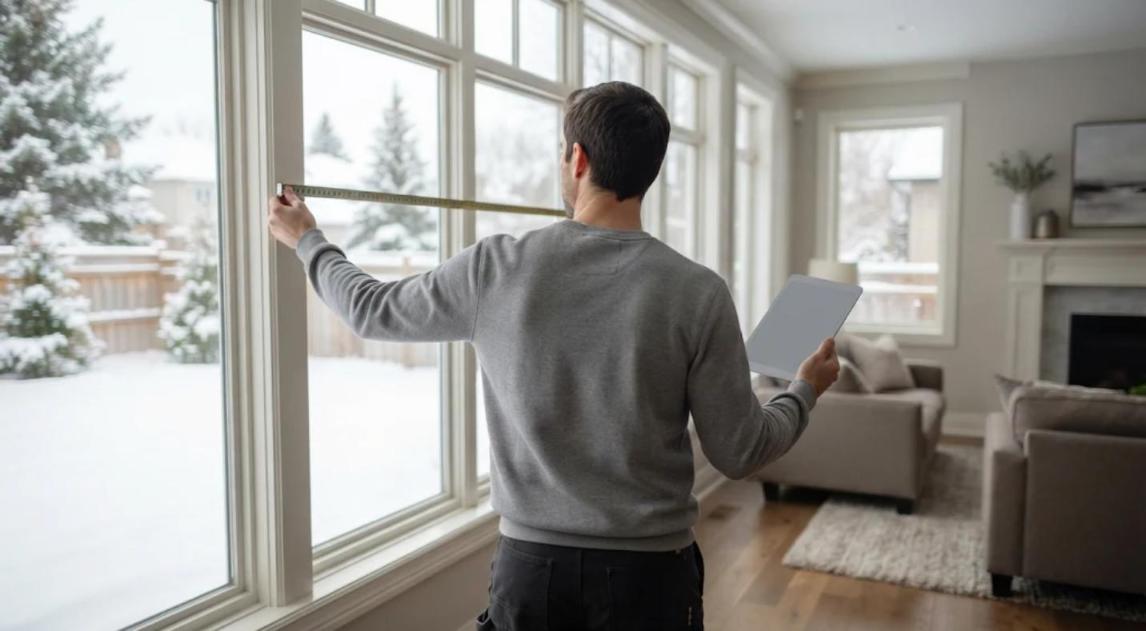
A furnace has one job: put heat back as fast as the house loses it. That loss depends on insulation, windows, air leakage and how cold it gets outside. Floor area is only one part of the picture, so a drafty older home and a tight new build of the same size can need very different furnaces.
Natural Resources Canada agrees. Its Heating with Gas guide tells homeowners to ask the contractor to calculate the heating requirement of the house, and says furnace size should be determined with a heat loss calculation such as CSA standard F280. Our overview of HVAC system sizing and why it matters covers the comfort side.
Input, Output and AFUE: The Three Numbers on Every Furnace
Before you can answer "what size furnace do I need", learn three figures. Capacity is measured in British thermal units per hour, written Btu/h, and mixing up input and output is a common route to the wrong size.
| Number | What it tells you | Why it matters for size |
|---|---|---|
| Input (Btu/h) | The energy in the gas the furnace burns each hour | Furnaces are rated by this figure |
| AFUE (%) | Annual Fuel Utilization Efficiency, the seasonal rating | Sets how much input becomes heat |
| Output (Btu/h) | The heat delivered to your home | Must match your heat loss |
The U.S. Department of Energy's Building America sizing guideline puts it plainly: furnaces are rated by input, and the capacity is derated by the efficiency level. Its example is a 60,000 Btu/h furnace at 92.5 percent efficiency, which yields about 55,500 Btu/h.
That gap explains a common replacement mistake. An older furnace with an 80,000 Btu/h input and an AFUE of 80 percent delivered roughly 64,000 Btu/h. A new 96 percent furnace with the same input delivers about 76,800 Btu/h, or 20 percent more heat. Matching the old input makes the new furnace bigger, not equal.
Canada's Energy Efficiency Regulations set a 95 percent AFUE minimum for most new residential gas furnaces. Our high-efficiency furnace guide explains what those ratings mean.
How a CSA F280 Heat Loss Calculation Works
CSA F280-12, titled Determining the required capacity of residential space heating and cooling appliances, is the CSA Group standard that turns "what size furnace do I need" into a number. Its scope describes a calculation method for the heat loss and heat gain of a building, used to select the appropriate output capacity of the heating appliance.
Building departments rely on it too. The City of Richmond Hill's permit checklist for a new single family dwelling, for example, asks for heat loss and heat gain calculations to CSA F280-12. The calculation draws on details like these:
Floor area and ceiling heights
Insulation levels
Windows and doors
Airtightness
Local winter design temperature
Basement and foundation
The result is a heat loss figure in Btu/h. The furnace is then chosen so its output covers that figure with a sensible margin.
Why Square Footage Rules of Thumb Mislead
Search "what size furnace do I need" and you will find charts that multiply floor area by a fixed number of BTUs. These rules of thumb are quick, but they treat every house as an average house.
Natural Resources Canada warns that a calculation based only on floor area, or on replacing the furnace with one of "equivalent" size, is generally not adequate, and it calls a size offered without a detailed look at the house a "guesstimate".
The same guide notes that following the recommendations of a home energy evaluation may reduce the size of furnace required. Our article on a home energy audit in Ontario explains how one works.
Oversized vs Undersized: What Goes Wrong
Too big
- Short bursts of hot air, then long quiet gaps.
- Frequent starts and stops that waste fuel.
Too small
- Runs almost without a break in a deep cold snap.
- Indoor temperature slips below the setting.
Right size
- Long, steady heating cycles.
- Even temperatures from room to room.
When "what size furnace do I need" is answered with a rule of thumb, the result is usually too big. The U.S. Department of Energy's Building America Solution Center notes that a significantly oversized furnace may cycle on and off continuously, and that repeated short cycling is energy inefficient and can rust out internal parts. Our guide to furnace short cycling covers the other causes.
How much margin is reasonable? One Building America guideline calls for furnace capacity that meets the calculated heating load without exceeding it by more than 40 percent. An undersized furnace shows up as a system that never rests. Before assuming you need more BTUs, read why a furnace runs constantly.
Single-Stage, Two-Stage or Modulating: Does It Change the Size?
The answer to "what size furnace do I need" is the same maximum output whichever type you buy. A single-stage furnace is either at full output or off, while two-stage and modulating furnaces can also run at lower outputs.
Natural Resources Canada describes multi-stage furnaces as able to run for most of the heating season at reduced heat output and lower airflow, with quieter operation and improved comfort and efficiency. Staging softens extra capacity, but it does not replace a calculation.
Ducts are the other half. A furnace can only deliver its rated heat if the ductwork can carry the airflow, as our article on good static pressure in HVAC explains. Weighing a hybrid system? See heat pump vs furnace.
What Size Furnace Do I Need? 7 Questions to Ask Before You Sign
You do not have to work out "what size furnace do I need" yourself, only confirm that someone did. Bring these questions to every quote:
- Did you complete a heat loss calculation for my home? The method should be CSA F280.
- Can I see the results? Natural Resources Canada suggests asking for the results and the design assumptions.
- What is the output of the furnace you recommend? Compare output, not input, with your heat loss figure.
- Did you account for my upgrades? Mention new windows, insulation, air sealing and additions.
- Is the size based on my old furnace? "Same as before" is a warning sign.
- Can my existing ducts handle the airflow?
- How low can this model fire? On two-stage and modulating furnaces, the low setting shapes everyday comfort.
A contractor who answers all seven has answered "what size furnace do I need" the right way. Leave the old furnace's panels closed while you gather details. A technician can read its rating plate for you, and installing a gas furnace is work for a TSSA-registered contractor.
Furnace Sizing for Ontario Homes With Aire One
GTA homes range from post-war bungalows to new townhomes, so the answer to "what size furnace do I need" changes from street to street. Aire One has installed furnaces across the region since 1990 and holds a 4.8-star Google rating from 541 reviews. Our free Total Home Assessment looks at your home, ducts and comfort concerns before any size is recommended.
We serve Markham, Richmond Hill and York Region. See how we handle furnace installation in Markham and furnace installation in Richmond Hill, or learn more about our HVAC company in Markham and our HVAC company in Richmond Hill. Financing is available, and installations are backed by our 10-year worry-free warranty.
Not sure the old furnace has to go? Start with should I repair or replace my furnace, and check our Ontario rebates guide.
Still asking what size furnace do I need?
Get a furnace size based on your home, not a guess. Serving Markham, Richmond Hill and York Region.
310-HEAT (310-4328) · Free Total Home Assessment · Financing available
Frequently Asked Questions
What size furnace do I need for a 2,000 square foot house?
There is no single answer, because two houses of that size can lose heat at very different rates. Natural Resources Canada puts most home heating appliances between 40,000 and 90,000 Btu/h. A CSA F280 heat loss calculation shows where your home falls.
Is a bigger furnace better?
No. An oversized furnace starts and stops more often. That short cycling wastes fuel, leaves rooms uneven and adds wear. A furnace matched to your heat loss runs longer, steadier cycles.
What is the difference between input and output BTU?
Input is the energy in the gas the furnace burns each hour. Output is the heat that reaches your home after the AFUE efficiency rating is applied. A 60,000 Btu/h furnace with a 96 percent AFUE delivers about 57,600 Btu/h. Size a furnace by its output.
Can I replace my furnace with the same size as the old one?
Not automatically. The old furnace may have been oversized, and a new high-efficiency model with the same input delivers more heat. Insulation, window and air sealing upgrades also lower the size you need. Ask for a new heat loss calculation.
Does a two-stage or modulating furnace need to be sized differently?
No. The maximum output still comes from your heat loss calculation. A two-stage or modulating furnace can run at a lower output on milder days, which makes it more forgiving than a single-stage model, but it is not a substitute for proper sizing.
Sources and Helpful Resources
- Natural Resources Canada: Heating with Gas (PDF)
- CSA Group: F280-12 (R2021), Required Capacity of Residential Heating and Cooling Appliances
- U.S. DOE Building America: HVAC Equipment Sizing Guideline (PDF)
- U.S. DOE Building America Solution Center: Combustion Furnaces
Matthew leads the Aire One Markham and Metro Toronto team, helping homeowners choose heating equipment that fits their homes and keeps them comfortable through every Ontario winter. Aire One has been a TSSA-registered, Carrier Factory Authorized Dealer since 1990.