
No Hot Water? Find the Cause Fast
Match your symptom to your system, from gas and electric tanks to tankless heaters and combi boilers, then learn which checks are safe and when to call.
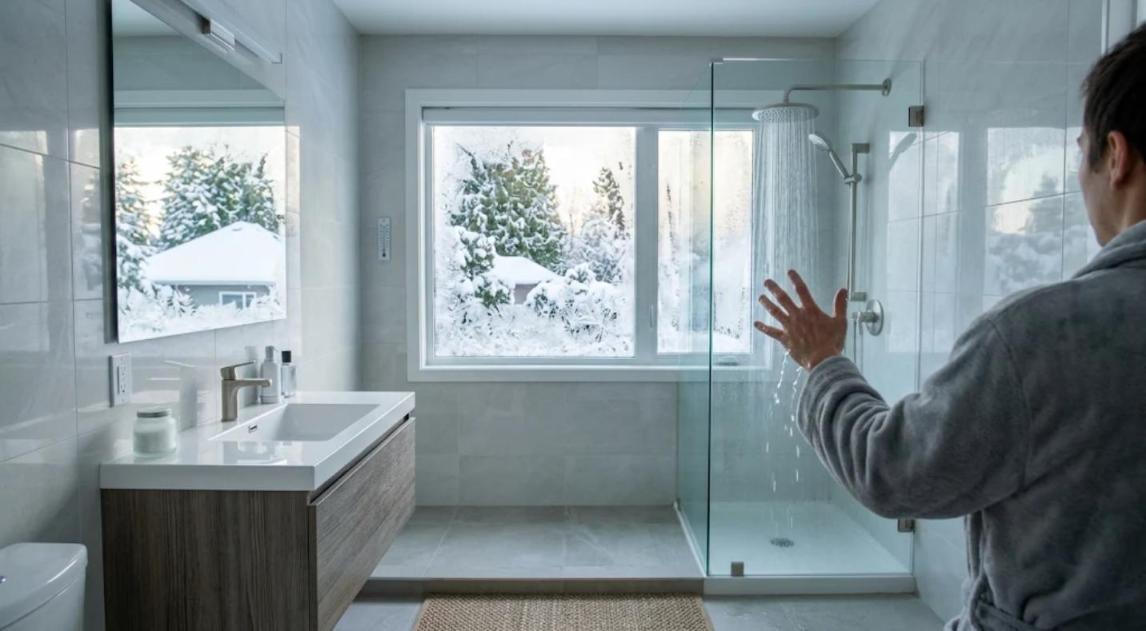

The short answer: If the water will not heat at all, the fault is usually the heat source: the pilot, igniter or gas supply, a tripped breaker or failed element, a tankless error code or a boiler lockout. If it runs out fast, think sediment, a broken dip tube or an undersized tank. If one tap is cold, suspect its mixing valve. Never touch gas parts or wiring, and if you smell gas, leave and call Enbridge Gas at 1-866-763-5427 or 911.
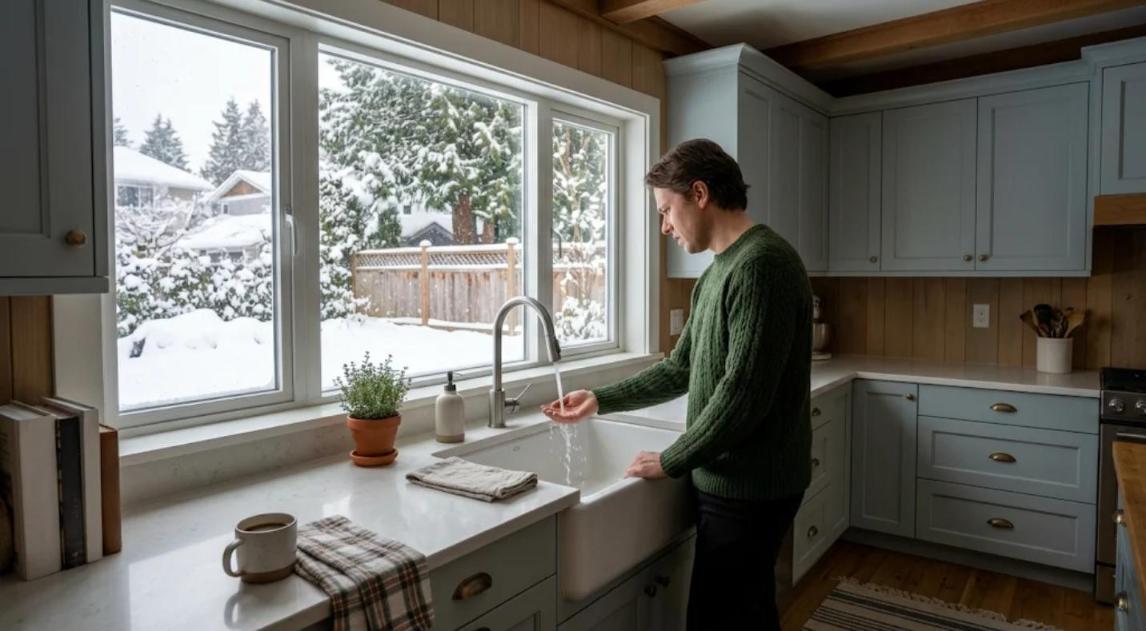
A cold shower on a January morning is a rough start to the day. Having no hot water is rarely a mystery, though. The cause comes from a short list, and which item applies depends on your system and the exact symptom.
Start with the matrix, then jump to the numbered cause it points to. Prefer a technician right away? You can book a service visit online or call 310-HEAT any time.
No Hot Water? Start With the Symptom-by-System Matrix
Find your symptom row and your system column. Numbers point to the causes below.
| Symptom | Tank: gas | Tank: electric | Tankless | Boiler or combi |
|---|---|---|---|---|
| No hot water at all | Pilot or ignition (1), gas (2), power to power-vent models (3) | Breaker (3), upper element or high-limit (4) | Error code, vent or drain (5), power (3) | Lockout or pressure (6) |
| Some hot water, but not enough | Sediment (7), dip tube (8), tank size (9) | Lower element (4), sediment (7), dip tube (8), tank size (9) | Too many fixtures or scale (10) | Scale or high demand, as in (10) |
| Only one tap or shower is cold | Mixing valve or fixture (11) | Mixing valve or fixture (11) | Flow too low (10) or fixture (11) | Mixing valve or fixture (11) |
Quick clue: if you have no hot water but the stove and furnace still work, the gas supply is probably fine.
Which Water Heater Do You Have?
The fix for no hot water depends on the equipment, so compare your utility room with these four types.
Our overview of water heater types explains the differences, and our comparison of a boiler vs tankless water heater covers how combi systems fit in.
11 Common Causes of No Hot Water, Grouped by Symptom
No hot water at all (causes 1 to 6)
1Pilot light or ignition fault
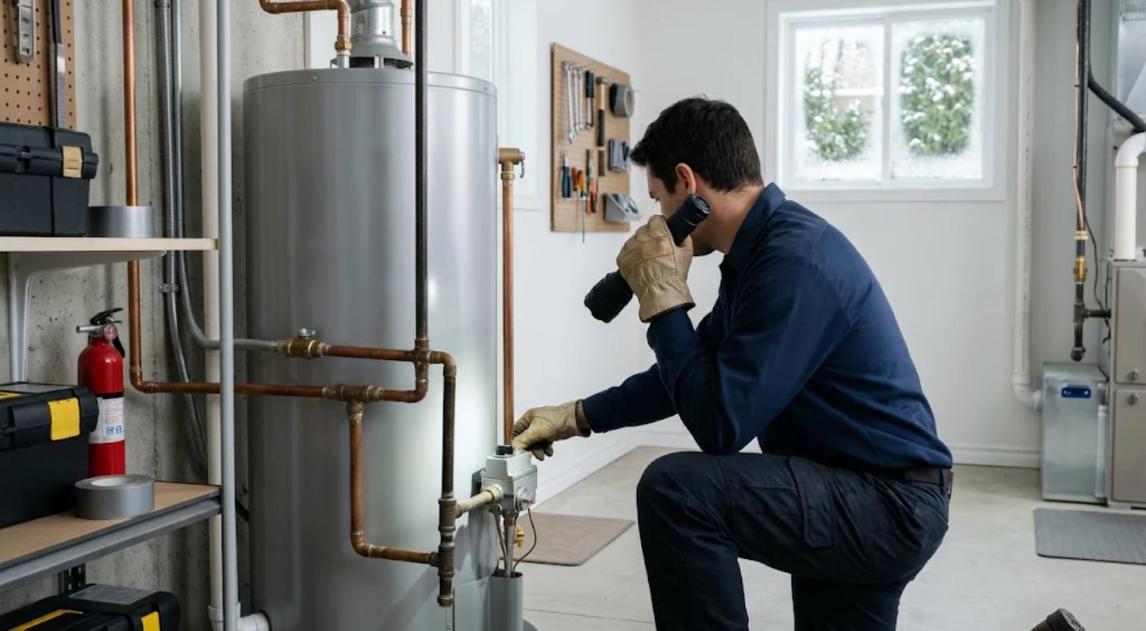
If the pilot is out or the igniter fails, the burner never lights and you get no hot water. A worn thermocouple is a frequent culprit, and many newer tanks lock out when a vapour sensor detects fumes from stored paint or gasoline. Do not relight the pilot yourself. Our guide to how pilot lights work explains the parts.
2Gas supply interruption
If the stove and furnace have also stopped, the gas supply may be interrupted. Never turn a gas valve to test it.
3No power to the unit
Electric tanks are not the only units that need power. Power-vent tanks, tankless heaters and boilers do too, so an outage, unplugged cord or tripped breaker can stop any system. Look at the panel only. The Electrical Safety Authority warns that circuits that trip often can point to faulty wiring or equipment, so a tripped breaker is a reason to call.
4Failed element or tripped high-limit switch
A failed upper element stops heating entirely; a failed lower one gives a short burst of hot water. A high-limit switch behind the cover can also trip. Leave the covers on, since live wiring sits behind them. See common problems with electric water heaters for more.
5Tankless error code, blocked vent or frozen drain
Write down the display code and model number, then check the manual. A buried exhaust or frozen condensate line can also shut it down, just like a furnace vent blocked by snow.
6Boiler or combi lockout
A combi boiler heats your home and tap water, so a lockout or pressure loss can stop both. Note any code and the pressure reading. Our guide to common boiler problems explains both.
Some hot water, but not enough (causes 7 to 10)
7Sediment buildup
Minerals settle at the bottom, insulating the water from the burner or burying the lower element. Rumbling or popping is the usual sign.
8Broken dip tube
If the tube that carries cold water to the bottom of the tank cracks, cold mixes with hot at the top and showers turn lukewarm fast.
9An undersized tank meets an Ontario winter
January water enters your home far colder than July water, so each shower draws more hot water and recovery slows. Natural Resources Canada advises choosing a tank that meets your home's needs and asking a plumber to estimate demand.
10Tankless flow limits and scale
NRCan notes that a tankless unit's ability to supply several uses at once can be limited. A trickle may be too little to fire the burner, and scale cuts output over time. Learn more about tankless water heaters.
Only one tap or shower is cold (cause 11)
11Mixing valve or fixture fault
If one shower is cold while other taps run hot, the heater is usually fine. Its valve cartridge may be stuck or the anti-scald stop set too low. In a deep freeze, see what to do if your pipes freeze.
Safe Checks for No Hot Water, and What to Leave Alone
Safe checks involve looking and writing things down. Gas, burners and wiring belong with a licensed technician.
You can safely
- Note whether it is every tap or just one.
- Check that the stove and furnace still work.
- Look at the panel for a tripped breaker, touching nothing.
- Confirm a power-vent or tankless unit is plugged in.
- Write down any display code.
- Look for water on the floor and keep pets away.
- Check the tank label for a rental service number.
Leave to a technician
- Relighting a pilot or pressing gas control buttons
- Turning gas valves or opening burner covers
- Opening element covers or resetting a high-limit
- Touching wiring, especially near water
- Draining or flushing a faulty tank
- Turning the dial up to hide a fault
Smell rotten eggs or hear a CO alarm? Get everyone out without using switches or phones. Once outside, call Enbridge Gas at 1-866-763-5427 or 911 about gas, or 911 for a CO alarm. Our guide to the carbon monoxide alarm rules in Ontario explains where alarms belong.
If water is pooling under the tank, call right away, and stay back if it is near an electric heater or panel.
Getting Hot Water Back Without Scald Risk
Turning the dial up hides the real problem and raises scald risk once it is fixed. Two numbers matter:
Both come from the Public Health Agency of Canada, which notes that a child's skin burns in a quarter of the time an adult's does. Run cold water first and last when filling a bath, and ask about an anti-scald mixing valve.
When to Call About No Hot Water, and Who to Call
Book a technician if:
- You still have no hot water after the safe checks.
- The pilot keeps going out, or a code keeps returning.
- The water heater breaker has tripped.
- The tank leaks, rusts or rumbles loudly.
- A boiler lost heat and hot water together.
If the tank is a rental, the label usually lists the provider's service line. Gas appliance work must be done by a TSSA-registered contractor. Aire One's HVAC servicing and repairs team works on tank, tankless and boiler systems.
If your heater is near the end of its life, a heat pump water heater is worth comparing, and the Home Renovation Savings Program lists heat pump water heaters as an eligible upgrade. Amounts change, so check saveonenergy.ca.
Water Heater and Boiler Help in Markham, Richmond Hill and the GTA
Aire One has served Ontario homeowners since 1990, with 24/7 technicians, a $79 service call and a 4.8-star Google rating from 541 reviews. Our HVAC company in Markham and HVAC company in Richmond Hill teams diagnose tanks, tankless units and boilers. Members of our maintenance and protection plans get priority booking when cold snaps bring a wave of no hot water calls.
Still no hot water after the safe checks?
Our technicians answer 24/7 across Markham, Richmond Hill and York Region. TSSA-registered and trusted since 1990.
310-HEAT (310-4328) · 24/7 service · $79 service call*
See our repair services page or explore the Aire One Markham team.
Frequently Asked Questions
Why do I have no hot water when the furnace still works?
A water heater has its own burner or elements, so a working furnace suggests the gas supply is fine and the fault is in the heater itself, such as the pilot, igniter or element.
Can I relight my water heater pilot light myself?
We recommend against it. A pilot that goes out usually has a reason, such as a worn thermocouple or a vapour sensor lockout, and gas controls belong with a TSSA-registered technician. If you smell gas, leave and call Enbridge Gas at 1-866-763-5427 or 911 from outside.
Why does my hot water run out faster in winter?
Incoming water is much colder in winter, so every shower draws more hot water and the heater recovers more slowly.
What temperature should my water heater be set to?
The Public Health Agency of Canada recommends 60°C at the water heater to limit bacteria such as Legionella, with mixing valves keeping tap water at 49°C. Follow your manufacturer's instructions.
Should I repair or replace a water heater that gives no hot water?
A single failed part, such as an igniter or element, is usually worth repairing. Replacement makes more sense when the tank itself leaks, because a leaking tank cannot be repaired.
Sources and Helpful Resources
This article is general information. Always follow your equipment manufacturer's instructions.
- Public Health Agency of Canada: Water Temperature and Burns or Scalds
- Natural Resources Canada: Guide to Residential Water Heaters
- Electrical Safety Authority: Homeowner Handbook (PDF)
- Enbridge Gas: What to Do If You Smell Gas
Matthew leads the Aire One Markham and Metro Toronto team, helping homeowners stay warm and safe through every Ontario winter. Aire One has been a TSSA-registered, Carrier Factory Authorized Dealer since 1990.